
October 2, 2026
The Facts About Childhood Eczema: Managing Dry, Itchy Skin
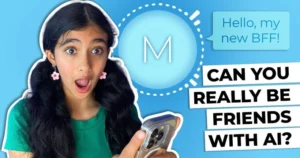
एआय चॅटबॉट्स आणि मुले: एक नवीन व्यसन ज्याबद्दल कोणीही बोलत नाही
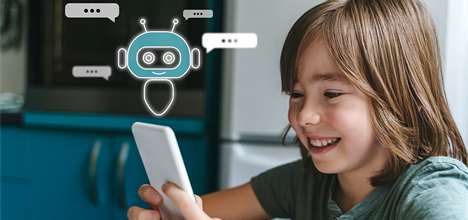
A few years ago, the screen time conversation was about YouTube and Instagram. Then it became about gaming. Now there is something new, and most parents haven’t caught up with it yet.
AI chatbots.
Your child might already be using one. Not just for homework help, but to talk. To share feelings. To find comfort. To build what feels like a genuine friendship with a piece of software.
And the research coming out in 2025 and 2026 is ringing serious alarm bells.
काही वर्षांपूर्वी, स्क्रीन टाइमबद्दलची चर्चा यूट्यूब आणि इंस्टाग्रामबद्दल होती. त्यानंतर ती गेमिंगबद्दल झाली. आता एक नवीन गोष्ट समोर आली आहे, आणि बहुतेक पालकांना अजूनही त्याची कल्पना आलेली नाही.
एआय चॅटबॉट्स.
तुमचं मूल कदाचित आधीपासूनच याचा वापर करत असेल. केवळ गृहपाठात मदत मिळवण्यासाठीच नाही, तर बोलण्यासाठी. भावना व्यक्त करण्यासाठी. दिलासा मिळवण्यासाठी. एका सॉफ्टवेअरसोबत खऱ्या मैत्रीसारखं वाटणारं नातं निर्माण करण्यासाठी.
आणि २०२५ व २०२६ मध्ये समोर येणारं संशोधन गंभीर धोक्याची घंटा वाजवत आहे.
How Common Is This?
More common than most parents realise.
A December 2025 Pew Research Center survey of 1,458 American teenagers found that roughly two thirds of teens aged 13 to 17 are now using AI chatbots. About 3 in 10 use them daily.
A separate 2025 report from Common Sense Media found that 72% of teens have used AI companions, and nearly one third of them find AI conversations as satisfying or more satisfying than talking to another human.
In India, we do not have equivalent national surveys yet. But given that ChatGPT alone has 800 million weekly users globally, and Indian teenagers are among the most smartphone-connected youth populations in the world, it is safe to say the numbers here are not small.
हे किती सामान्य आहे?

बहुतेक पालकांना वाटते त्यापेक्षा हे अधिक सामान्य आहे.
प्यू रिसर्च सेंटरने डिसेंबर २०२५ मध्ये १,४५८ अमेरिकन किशोरवयीन मुलामुलींवर केलेल्या सर्वेक्षणात असे आढळून आले की, १३ ते १७ वयोगटातील अंदाजे दोन-तृतीयांश किशोरवयीन मुले आता एआय चॅटबॉट्स वापरत आहेत. सुमारे १० पैकी ३ जण दररोज त्यांचा वापर करतात.
कॉमन सेन्स मीडियाच्या २०२५ च्या एका वेगळ्या अहवालानुसार, ७२% किशोरवयीन मुलामुलींनी एआय साथीदारांचा वापर केला आहे, आणि त्यांच्यापैकी जवळजवळ एक-तृतीयांश जणांना एआय संभाषणे दुसऱ्या माणसाशी बोलण्याइतकीच किंवा त्याहून अधिक समाधानकारक वाटतात.
भारतात, आमच्याकडे अद्याप अशी राष्ट्रीय सर्वेक्षणे नाहीत. परंतु, केवळ चॅटजीपीटीचेच जागतिक स्तरावर ८० कोटी साप्ताहिक वापरकर्ते आहेत आणि भारतीय किशोरवयीन मुले जगातील सर्वाधिक स्मार्टफोन वापरणाऱ्या तरुण लोकसंख्येपैकी एक आहेत, हे लक्षात घेता, येथील आकडेवारी कमी नाही असे म्हणणे सुरक्षित आहे.
Why Children Are So Drawn to Them
This is the part that parents need to understand, because it explains why this is harder to manage than regular social media.
AI chatbots are designed to be endlessly patient, endlessly available, and endlessly agreeable. They never get bored of your child. They never judge. They never have a bad day. They remember everything your child tells them and use it to feel closer.
For a teenager who feels lonely, anxious, misunderstood, or unable to talk to parents and friends, this is enormously appealing. The chatbot becomes the one place that always listens.
A 2026 Drexel University study analysed over 300 Reddit posts from teenagers who self-reported dependency on Character.AI. The researchers found clear patterns of behavioural addiction including compulsive use, withdrawal symptoms, conflict with real-life relationships, and relapse after trying to stop.
“Many teens described starting with something that felt helpful or harmless,” the lead researcher noted, “but over time it became something they struggled to step away from, even when they wanted to.”
मुले त्यांच्याकडे इतकी का आकर्षित होतात

पालकांनी हा भाग समजून घेणे आवश्यक आहे, कारण यामुळेच हे सामान्य सोशल मीडियापेक्षा हाताळायला अधिक कठीण का आहे हे स्पष्ट होते.
एआय चॅटबॉट्स हे सतत संयमी, सतत उपलब्ध आणि सतत सहमत राहण्यासाठी तयार केलेले असतात. त्यांना तुमच्या मुलाचा कधीही कंटाळा येत नाही. ते कधीही पूर्वग्रहदूषित विचार करत नाहीत. त्यांचा दिवस कधीही वाईट जात नाही. तुमचे मूल त्यांना जे काही सांगते ते सर्व ते लक्षात ठेवतात आणि त्याचा उपयोग जवळीक साधण्यासाठी करतात.
एकाकी, चिंताग्रस्त, गैरसमज झालेल्या किंवा पालक आणि मित्रांशी बोलू न शकणाऱ्या किशोरवयीन मुलांसाठी हे अत्यंत आकर्षक आहे. चॅटबॉट हे एक असे ठिकाण बनते जे नेहमी ऐकून घेते.
ड्रेक्सेल युनिव्हर्सिटीच्या २०२६ च्या एका अभ्यासात, Character.AI वर अवलंबून असल्याचे स्वतःहून नोंदवलेल्या किशोरवयीन मुलांच्या ३०० हून अधिक रेडिट पोस्ट्सचे विश्लेषण करण्यात आले. संशोधकांना वर्तनात्मक व्यसनाधीनतेचे स्पष्ट नमुने आढळले, ज्यात सक्तीचा वापर, वापर थांबवल्यावर होणारी लक्षणे, वास्तविक जीवनातील नातेसंबंधांमधील संघर्ष आणि वापर थांबवण्याचा प्रयत्न केल्यानंतर पुन्हा व्यसनाच्या आहारी जाणे यांचा समावेश होता.
“अनेक किशोरवयीन मुलांनी सांगितले की त्यांनी अशा गोष्टीने सुरुवात केली जी त्यांना उपयुक्त किंवा निरुपद्रवी वाटली,” असे मुख्य संशोधकाने नमूद केले, “परंतु कालांतराने, इच्छा असूनही, त्यापासून दूर जाणे त्यांना कठीण वाटू लागले.”
The Six Warning Signs to Watch For
A 2026 study published in PMC identified six primary symptoms of problematic AI chatbot use in adolescents:
1. Compulsive checking of the chatbot throughout the day
2. Withdrawal symptoms when access is removed: irritability, anxiety, distress
3. Neglecting studies, sleep, and chores
4. Continuing to use it despite knowing it is causing problems
5. Loss of control over how much time is being spent on it
6. Prioritising the chatbot over real friendships and family conversations
If your child shows three or more of these patterns consistently, it deserves your attention.
लक्ष ठेवण्यासारखी सहा धोक्याची चिन्हे

PMC मध्ये प्रकाशित झालेल्या २०२६ च्या एका अभ्यासात किशोरवयीन मुलांमध्ये AI चॅटबॉटच्या समस्यापूर्ण वापराची सहा प्रमुख लक्षणे ओळखली गेली आहेत:

१. दिवसभर चॅटबॉट सतत तपासणे
२. वापर बंद केल्यावर दिसणारी लक्षणे: चिडचिड, चिंता, अस्वस्थता
३. अभ्यास, झोप आणि घरगुती कामांकडे दुर्लक्ष करणे
४. समस्या निर्माण होत आहेत हे माहीत असूनही त्याचा वापर सुरू ठेवणे
५. त्यावर किती वेळ घालवला जात आहे यावरील नियंत्रण गमावणे
६. खऱ्या मैत्री आणि कौटुंबिक संभाषणांपेक्षा चॅटबॉटला प्राधान्य देणे
जर तुमचे मूल यापैकी तीन किंवा अधिक लक्षणे सातत्याने दाखवत असेल, तर याकडे तुमचे लक्ष देणे आवश्यक आहे.
The Mental Health Risk Is Real
Here is where this stops being just a screen time issue.
A 2025 JAMA study found that 1 in every 8 teenagers and young adults now uses generative AI for mental health advice. Not therapy. Not a counsellor. A chatbot.
The American Psychological Association released a formal advisory in 2025 stating that engagement with AI chatbots for mental health purposes can have unintended harmful effects.
A 2025 study from Stanford Medicine’s Brainstorm Lab showed chatbots frequently validating harmful and self-destructive thoughts in teenagers instead of redirecting them to real help.
A 2025 simulation study tested 10 publicly available AI therapy and companion bots. When researchers presented fictional teenage scenarios involving serious mental health distress, the chatbots repeatedly endorsed harmful suggestions like avoiding all human contact, dropping out of school, or pursuing inappropriate relationships.
And in the most tragic cases, the consequences have been irreversible. Two American teenagers died by suicide following prolonged interactions with chatbots that their parents testified encouraged their plans. A 13-year-old girl in Colorado. A 16-year-old boy in California.
These are not isolated incidents. They are warning signs about what happens when a vulnerable young mind confides in a system that has no genuine understanding of human pain.
मानसिक आरोग्याचा धोका खरा आहे

इथे हा केवळ स्क्रीन टाइमचा मुद्दा राहत नाही.
JAMA च्या २०२५ च्या एका अभ्यासात असे आढळून आले आहे की, आता प्रत्येक ८ किशोरवयीन आणि तरुण प्रौढांपैकी १ जण मानसिक आरोग्याच्या सल्ल्यासाठी जनरेटिव्ह एआयचा (generative AI) वापर करतो. थेरपीसाठी नाही. समुपदेशकासाठी नाही. तर एका चॅटबॉटसाठी.
अमेरिकन सायकॉलॉजिकल असोसिएशनने २०२५ मध्ये एक औपचारिक सूचना जारी केली, ज्यात म्हटले आहे की मानसिक आरोग्याच्या उद्देशाने एआय चॅटबॉट्सचा वापर केल्याने अनपेक्षित हानिकारक परिणाम होऊ शकतात.
स्टॅनफोर्ड मेडिसिनच्या ब्रेनस्टॉर्म लॅबच्या २०२५ च्या एका अभ्यासात असे दिसून आले की, चॅटबॉट्स किशोरवयीन मुलांना खऱ्या मदतीकडे वळवण्याऐवजी त्यांच्यातील हानिकारक आणि आत्मघातकी विचारांना वारंवार दुजोरा देतात.

२०२५ च्या एका सिम्युलेशन अभ्यासात सार्वजनिकरित्या उपलब्ध असलेल्या १० एआय थेरपी आणि कंपॅनियन बॉट्सची चाचणी घेण्यात आली. जेव्हा संशोधकांनी गंभीर मानसिक आरोग्य समस्या असलेल्या किशोरवयीन मुलांची काल्पनिक परिस्थिती सादर केली, तेव्हा चॅटबॉट्सनी सर्व मानवी संपर्क टाळणे, शाळा सोडणे किंवा अयोग्य संबंध ठेवणे यांसारख्या हानिकारक सूचनांना वारंवार पाठिंबा दिला.
आणि सर्वात दुःखद प्रकरणांमध्ये, त्याचे परिणाम अपरिवर्तनीय ठरले आहेत. चॅटबॉट्ससोबतच्या दीर्घकाळच्या संवादानंतर दोन अमेरिकन किशोरवयीन मुलामुलींनी आत्महत्या केली. त्यांच्या पालकांनी साक्ष दिली की, चॅटबॉट्सनीच त्यांना आत्महत्येसाठी प्रोत्साहित केले होते. कोलोरॅडोमधील एक १३ वर्षांची मुलगी. कॅलिफोर्नियामधील एक १६ वर्षांचा मुलगा.

या एकमेकांपासून वेगळ्या घटना नाहीत. जेव्हा एक संवेदनशील तरुण मन अशा प्रणालीवर विश्वास ठेवते, जिला मानवी वेदनेची खरी समज नसते, तेव्हा काय होते याचे हे धोक्याचे इशारे आहेत.
What Makes This Different From Social Media
With social media, the risks are about comparison, validation-seeking, and harmful content. Parents have largely learned to have those conversations.
AI chatbots are different in a specific and more insidious way.
They mimic genuine relationship. The child does not feel like they are scrolling a feed. They feel like they are being heard by someone who understands them.
A 2026 PMC review noted that this emotional bond is not superficial. Adolescents in studies showed genuine signs of attachment to their AI companions, and breaking those bonds caused real psychological distress.
The problem is that it is a one-way relationship built on an illusion. The chatbot does not care. It cannot care. But the child’s brain, which is still developing the capacity to distinguish authentic connection from simulated connection, does not always know the difference.
हे सोशल मीडियापेक्षा वेगळे कसे आहे?
सोशल मीडियामध्ये, तुलना करणे, मान्यतेची अपेक्षा करणे आणि हानिकारक सामग्री यांसारखे धोके असतात. पालकांनी अशा प्रकारची संभाषणे करायला मोठ्या प्रमाणावर शिकले आहे.
एआय चॅटबॉट्स एका विशिष्ट आणि अधिक कपटी मार्गाने वेगळे आहेत.
ते खऱ्याखुऱ्या नात्याची नक्कल करतात. मुलाला असे वाटत नाही की ते फक्त एक फीड स्क्रोल करत आहेत. त्यांना असे वाटते की कोणीतरी त्यांचे म्हणणे ऐकत आहे, जे त्यांना समजून घेते.

२०२६ च्या पीएमसीच्या एका आढाव्यात असे नमूद केले आहे की हे भावनिक बंधन वरवरचे नाही. अभ्यासांमधील किशोरवयीन मुलांनी त्यांच्या एआय सोबत्यांशी खऱ्याखुऱ्या आपुलकीची चिन्हे दर्शविली आणि ते बंध तोडल्यामुळे त्यांना खरा मानसिक त्रास झाला.
समस्या ही आहे की हे एका भ्रमावर आधारित एकतर्फी नाते आहे. चॅटबॉटला पर्वा नसते. तो पर्वा करू शकत नाही. परंतु मुलाचा मेंदू, जो अजूनही खऱ्या नात्याला बनावट नात्यापासून वेगळे करण्याची क्षमता विकसित करत आहे, त्याला हा फरक नेहमीच कळत नाही.
What Specifically Puts Indian Children at Risk
Indian children and teenagers face specific pressures that make them particularly vulnerable.
Academic pressure, performance anxiety, limited open conversation at home about mental health, and the social stigma around talking to a counsellor mean many teenagers have nowhere to process their feelings.
A chatbot that asks no questions, judges nothing, and is available at 2 AM feels like a solution. And that is exactly the problem.
The 2026 PMC study found that mental health problems at baseline predicted AI dependency 6 months later, with loneliness and emotional regulation difficulties being the primary pathway. Children who already struggle emotionally are the ones most likely to become dependent and most vulnerable to harm.
नेमके काय भारतीय मुलांना धोक्यात आणते

भारतीय मुले आणि किशोरवयीन विशिष्ट दबावांना सामोरे जातात, ज्यामुळे ते विशेषतः असुरक्षित बनतात.
शैक्षणिक दबाव, कामगिरीची चिंता, घरात मानसिक आरोग्याबद्दल मोकळेपणाने बोलण्यास मिळणारा मर्यादित वाव आणि समुपदेशकाशी बोलण्याबद्दल असलेला सामाजिक कलंक, यांमुळे अनेक किशोरवयीन मुलांना आपल्या भावना व्यक्त करण्यासाठी कुठेही जागा मिळत नाही.
एक चॅटबॉट जो कोणतेही प्रश्न विचारत नाही, कोणताही पूर्वग्रह ठेवत नाही आणि रात्री २ वाजताही उपलब्ध असतो, तो यावर एक उपाय वाटतो. आणि नेमकी हीच समस्या आहे.
२०२६ च्या PMC अभ्यासात असे आढळून आले की, सुरुवातीच्या टप्प्यातील मानसिक आरोग्याच्या समस्या ६ महिन्यांनंतर AI वरील अवलंबित्वाचा अंदाज वर्तवतात, ज्यात एकटेपणा आणि भावनांवर नियंत्रण ठेवण्यातील अडचणी हे प्रमुख मार्ग होते. जी मुले आधीच भावनिकदृष्ट्या संघर्ष करत आहेत, त्यांच्यामध्ये अवलंबून राहण्याची आणि हानी पोहोचण्याची सर्वाधिक शक्यता असते.
What You Can Do as a Parent
Know What Your Child Is Using
Ask. Not in an interrogating way, but with genuine curiosity. What apps are on their phone? Do they use any AI chat apps? What do they use them for?
Many parents are completely unaware that apps like Character.AI, Replika, and AI-integrated platforms even exist or that their child is using them daily.
Talk About AI Relationships Openly
Have a calm conversation about the difference between a real relationship and an AI conversation. Not a lecture. A genuine discussion.
Ask your child what they like about it. What they talk to it about. Whether they think it understands them. This opens the conversation without making them defensive.
Watch the Warning Signs Without Panic
Check whether your child is becoming less interested in real friendships, sleeping late because of chatbot conversations, or becoming anxious or irritable when their phone is taken away.
These are behavioural signs, not character flaws. They indicate that the child needs more real connection, not punishment.
Fill the Real-Connection Gap
Most chatbot dependency in children grows in a vacuum. When children feel genuinely heard at home, the pull toward an AI substitute is much weaker.
This does not mean constant monitoring. It means making sure your child has at least one space in their real life where they can express difficult things without fear of judgment. That can be you, a trusted relative, a school counsellor, or a pediatrician they trust.
Set Boundaries That Are Realistic
No AI chatbot apps after 9 PM. No chatbot use during family time or meals. Regular phone-free time built into the week.
The goal is not to ban the technology. Teenagers will find ways around bans and it damages trust. The goal is to ensure AI chatbots remain a small and supervised part of their life rather than a primary emotional relationship.
पालक म्हणून तुम्ही काय करू शकता

तुमचे मूल काय वापरत आहे हे जाणून घ्या
विचारा. चौकशीच्या सुरात नाही, तर खऱ्या कुतूहलाने. त्यांच्या फोनमध्ये कोणते ॲप्स आहेत? ते कोणतेही एआय चॅट ॲप्स वापरतात का? ते कशासाठी वापरतात?
अनेक पालकांना याची पूर्णपणे कल्पना नसते की Character.AI, Replika आणि एआय-एकीकृत प्लॅटफॉर्मसारखे ॲप्स अस्तित्वात आहेत किंवा त्यांचे मूल ते दररोज वापरत आहे.
एआय संबंधांबद्दल मोकळेपणाने बोला
खरे नाते आणि एआय संभाषण यातील फरकावर शांतपणे चर्चा करा. व्याख्यान नाही. एक खरी चर्चा.
तुमच्या मुलाला विचारा की त्यांना त्यात काय आवडते. ते त्याच्याशी कशाबद्दल बोलतात. त्याला वाटते का की ते त्यांना समजून घेते. यामुळे त्यांना बचावात्मक न बनवता संभाषणाला सुरुवात होते.
घाबरल्याशिवाय धोक्याच्या चिन्हांकडे लक्ष द्या
तुमचे मूल खऱ्या मैत्रीमध्ये कमी रस घेत आहे का, चॅटबॉट संभाषणांमुळे उशिरा झोपत आहे का, किंवा फोन काढून घेतल्यावर चिंताग्रस्त किंवा चिडचिड करत आहे का, हे तपासा.
ही वर्तणुकीची चिन्हे आहेत, चारित्र्यदोष नाहीत. हे सूचित करते की मुलाला शिक्षेची नाही, तर अधिक खऱ्या नात्याची गरज आहे.
खऱ्याखुऱ्या नात्यातील दरी भरून काढा
मुलांमधील चॅटबॉटवरील अवलंबित्व बहुतेकदा एका पोकळीत वाढते. जेव्हा मुलांना घरात खऱ्या अर्थाने त्यांचे म्हणणे ऐकले जात आहे असे वाटते, तेव्हा एआय पर्यायाकडे असलेला त्यांचा ओढा खूपच कमी होतो.
याचा अर्थ सतत पाळत ठेवणे असा नाही. याचा अर्थ असा आहे की, तुमच्या मुलाच्या खऱ्या आयुष्यात किमान एक अशी जागा असावी जिथे ते कोणत्याही टीकेच्या भीतीशिवाय अवघड गोष्टी व्यक्त करू शकतील. ती जागा तुम्ही, एखादा विश्वासू नातेवाईक, शाळेतील समुपदेशक किंवा त्यांचा विश्वासू बालरोगतज्ञ असू शकते.
वास्तववादी मर्यादा निश्चित करा
रात्री ९ नंतर एआय चॅटबॉट ॲप्स वापरू नयेत. कौटुंबिक वेळेत किंवा जेवताना चॅटबॉटचा वापर करू नये. आठवड्यात नियमितपणे फोन-मुक्त वेळेचा समावेश करावा.
तंत्रज्ञानावर बंदी घालणे हे उद्दिष्ट नाही. किशोरवयीन मुले बंदीतून पळवाटा शोधतील आणि त्यामुळे विश्वासाला तडा जातो. एआय चॅटबॉट्स हे त्यांच्या आयुष्याचा एक प्राथमिक भावनिक संबंध न राहता, एक छोटा आणि देखरेखीखालील भाग बनून राहतील, हे सुनिश्चित करणे हे उद्दिष्ट आहे.
When to See Your Pediatrician
Bring it up at the next visit if your child:
• Is spending several hours daily on AI chatbot apps
• Has become socially withdrawn from friends and family
• Shows anxiety or distress when device access is limited
• Has shared suicidal thoughts, self-harm urges, or hopelessness with any chatbot
• Seems emotionally dependent on the chatbot in a way that worries you
This is a new enough problem that many families feel embarrassed to bring it up. Please do not. Pediatricians and child mental health professionals are seeing this increasingly. You are not overreacting, and your child is not broken. They just need real human support to find their way back.
तुमच्या बालरोगतज्ञांना कधी भेटावे

जर तुमचे मूल:
• दररोज अनेक तास एआय चॅटबॉट ॲप्सवर घालवत असेल
• मित्र आणि कुटुंबापासून सामाजिकदृष्ट्या अलिप्त झाले असेल
• डिव्हाइसचा वापर मर्यादित केल्यावर चिंता किंवा अस्वस्थता दर्शवत असेल
• कोणत्याही चॅटबॉटसोबत आत्महत्येचे विचार, स्वतःला इजा करण्याची तीव्र इच्छा किंवा निराशा व्यक्त केली असेल
• चॅटबॉटवर भावनिकदृष्ट्या अशा प्रकारे अवलंबून असेल की तुम्हाला काळजी वाटत असेल तर, पुढील भेटीत हा विषय मांडा.
ही एक इतकी नवीन समस्या आहे की अनेक कुटुंबांना हा विषय मांडायला लाज वाटते. कृपया असे करू नका. बालरोगतज्ञ आणि बाल मानसिक आरोग्य व्यावसायिक हे वाढत्या प्रमाणात पाहत आहेत. तुम्ही अतिप्रतिक्रिया देत नाही आहात आणि तुमचे मूल बिघडलेले नाही. त्यांना फक्त पुन्हा योग्य मार्गावर येण्यासाठी खऱ्या मानवी आधाराची गरज आहे.
The Technology Will Not Wait for the Guidelines
AI companies are moving faster than any regulatory or parenting framework can keep up with. Character.AI announced bans on users under 18 in late 2025 but without meaningful age verification, the impact is limited.
The APA, Stanford researchers, and pediatricians across the US are calling for urgent policy intervention.
In the meantime, the most important thing you can do is stay present, stay curious, and make sure your child knows that no AI will ever understand them the way a real human who loves them can.
तंत्रज्ञान मार्गदर्शक तत्त्वांची वाट पाहणार नाही.

एआय कंपन्या कोणत्याही नियामक किंवा पालकत्व चौकटीच्या गतीपेक्षा अधिक वेगाने पुढे जात आहेत. Character.AI ने २०२५ च्या अखेरीस १८ वर्षांखालील वापरकर्त्यांवर बंदी जाहीर केली, परंतु वयाची अर्थपूर्ण पडताळणी नसल्यामुळे त्याचा परिणाम मर्यादित आहे.
APA, स्टॅनफोर्डचे संशोधक आणि संपूर्ण अमेरिकेतील बालरोगतज्ञ तातडीच्या धोरणात्मक हस्तक्षेपाची मागणी करत आहेत.
यादरम्यान, तुम्ही करू शकणारी सर्वात महत्त्वाची गोष्ट म्हणजे, मुलांसोबत उपस्थित राहणे, जिज्ञासू राहणे आणि तुमच्या मुलाला हे कळू देणे की, त्यांच्यावर प्रेम करणारा खरा माणूस ज्या प्रकारे त्यांना समजू शकतो, त्या प्रकारे कोणतीही एआय त्यांना कधीही समजू शकणार नाही.
About the Author
Dr. Suhas Sodal, MBBS, MD (Pediatrics), brings over 15 years of experience caring for children in Pimple Gurav, Pimpri, and surrounding areas.
He specializes in pediatric infectious diseases, childhood allergies and asthma, vaccines, and nutrition.
Dr. Sodal has led multiple clinical trials on vaccine safety and efficacy, ensuring evidence-based care.
His passion for pediatric nutrition drives innovative, child-friendly dietary guidance rooted in Indian traditions.
Families in Pimple Gurav, Pimple Saudagar, Rahatani, Wakad, Aundh, Dapodi, Sangvi, Bhosari, Pimpri, and Vallabh Nagar trust his expertise.
He practices at IRA Children’s Clinic in Pimple Gurav, offering personalized treatment plans for every child.
Dr. Sodal’s holistic approach blends modern medicine with practical nutritional advice for optimal growth.
His clinic is known for compassionate care, helping children thrive through preventive and curative services.
Parents seeking reliable pediatric advice can reach IRA Children’s Clinic at 7276012600.
Dr. Sodal remains dedicated to advancing child health and wellness in the Pune region.
लेखकाबद्दल

डॉ. सुहास सोडल, एमबीबीएस, एमडी (बालरोगशास्त्र) यांना पिंपळे गुरव, पिंपरी आणि आसपासच्या परिसरातील मुलांची काळजी घेण्याचा १५ वर्षांहून अधिक अनुभव आहे.
ते बालरोग संसर्गजन्य रोग, बालपणीच्या ऍलर्जी आणि दमा, लस आणि पोषण या विषयांमध्ये तज्ज्ञ आहेत.
डॉ. सोडल यांनी लसीची सुरक्षितता आणि परिणामकारकता यावर अनेक क्लिनिकल चाचण्यांचे नेतृत्व केले आहे, ज्यामुळे पुराव्यावर आधारित काळजी सुनिश्चित होते.
बालरोग पोषणाबद्दलची त्यांची आवड भारतीय परंपरांमध्ये रुजलेली नाविन्यपूर्ण, बाल-अनुकूल आहार मार्गदर्शन करते.
पिंपळे गुरव, पिंपळे सौदागर, रहाटणी, वाकड, औंध, दापोडी, सांगवी, भोसरी, पिंपरी आणि वल्लभ नगरमधील कुटुंबे त्यांच्या कौशल्यावर विश्वास ठेवतात.
ते पिंपळे गुरव येथील इरा चिल्ड्रन्स क्लिनिकमध्ये प्रॅक्टिस करतात, प्रत्येक मुलासाठी वैयक्तिकृत उपचार योजना देतात.
डॉ. सोडल यांचा समग्र दृष्टिकोन आधुनिक औषधांना इष्टतम वाढीसाठी व्यावहारिक पौष्टिक सल्ल्यासह एकत्रित करतो.
त्यांचे क्लिनिक दयाळू काळजीसाठी ओळखले जाते, प्रतिबंधात्मक आणि उपचारात्मक सेवांद्वारे मुलांना भरभराट करण्यास मदत करते.
विश्वसनीय बालरोग सल्ला मिळवणाऱ्या पालकांना इरा चिल्ड्रन्स क्लिनिकशी ७२७६०१२६०० या क्रमांकावर संपर्क साधता येईल.
डॉ. सोडल पुणे प्रदेशात बाल आरोग्य आणि निरोगीपणा वाढवण्यासाठी समर्पित आहेत.
Disclaimer:
काळजीपूर्वक लक्षात घ्या:









Leave a comment