

October 23, 2026
My Baby Has a Cold. Can We Still Vaccinate?
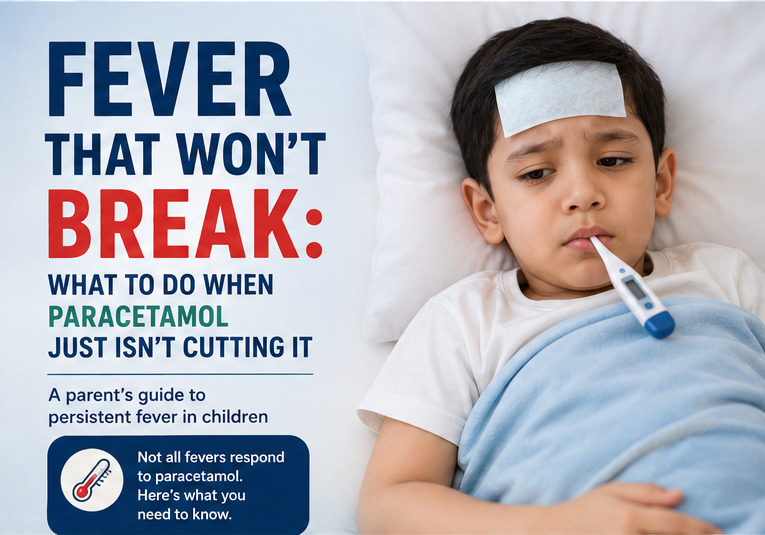
ताप कमी होत नसेल तर: पॅरासिटामोलचा उपयोग होत नसेल तेव्हा काय करावे?
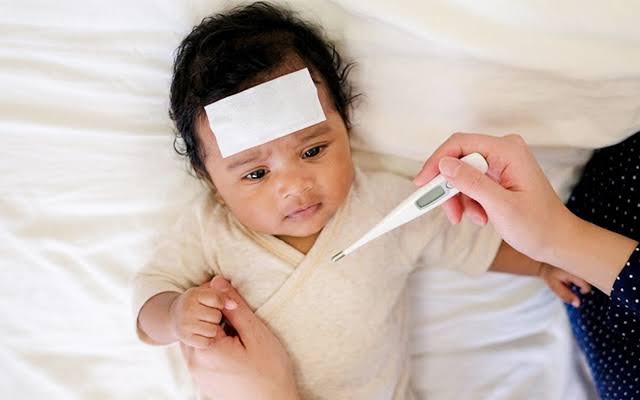
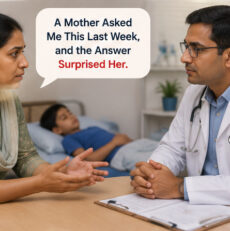
The waiting room this week has looked different.
Same worried faces, sure. Same fidgety kids on their parents’ laps. But the sentence I keep hearing, over and over, sounds almost identical every time: “Doctor, we gave paracetamol, it came down for a bit, and then it’s back up again. Nothing’s working.”
I want to unpack that sentence properly, because it’s carrying a lot of fear, and honestly, most of that fear is manageable once you understand what’s actually going on.
Here’s the backdrop first. Pune’s dengue numbers nearly doubled in July — 323 suspected cases compared to 175 in June, and paediatricians across the city are seeing a genuine spike in children specifically. The city has crossed 749 suspected cases for the year, two-thirds of them piling up in just June and July. So when a fever refuses to bow down to paracetamol right now, there’s real reason behind the worry. But not the reason most parents assume.
या आठवड्यात दवाखान्यातील प्रतीक्षा कक्ष (वेटिंग रूम) काहीसा वेगळा वाटत आहे.

चिंतेने ग्रासलेले तेच चेहरे, पालकांच्या मांडीवर बसलेली तीच अस्वस्थ मुले... हे सर्व तसेच आहे. पण मला वारंवार ऐकू येणारे वाक्य मात्र प्रत्येक वेळी अगदी सारखेच असते: "डॉक्टर, आम्ही पॅरासिटामोल दिले, ताप थोडा वेळ कमी झाला आणि पुन्हा वाढला. कशाचाच काही उपयोग होत नाहीये."
मला या वाक्याचा सविस्तर अर्थ समजून सांगायचा आहे, कारण त्यात खूप भीती दडलेली असते; आणि खरं सांगायचं तर, नेमकी काय परिस्थिती आहे हे समजून घेतल्यास त्यातील बरीचशी भीती दूर करता येते.
आधी याची पार्श्वभूमी समजून घेऊया. जुलै महिन्यात पुण्यातील डेंग्यूच्या रुग्णांची संख्या जवळपास दुप्पट झाली — जूनमधील १७५ संशयित रुग्णांच्या तुलनेत जुलैमध्ये ही संख्या ३२३ वर पोहोचली. विशेषतः लहान मुलांमध्ये डेंग्यूच्या रुग्णांची संख्या लक्षणीयरीत्या वाढल्याचे शहरातील बालरोगतज्ज्ञांच्या निदर्शनास येत आहे. या वर्षात शहरातील संशयित रुग्णांची एकूण संख्या ७४९ च्या वर गेली असून, त्यापैकी दोन-तृतीयंश रुग्ण केवळ जून आणि जुलै या दोन महिन्यांतच आढळले आहेत. त्यामुळे, सध्याच्या काळात जेव्हा ताप पॅरासिटामोल देऊनही कमी होत नाही, तेव्हा पालकांची चिंता वाजवी असते. पण ती चिंता ज्या कारणास्तव असते, ते कारण मात्र बहुतांश पालकांना वाटते तसे नसते.
First, let’s kill a myth that’s floating around a lot right now.
A fever that doesn’t respond to paracetamol is NOT automatically a sign of something dangerous. I need you to sit with that for a second, because it goes against what feels intuitively true.
NICE guidelines, the ones most pediatric fever protocols worldwide are built on, state this almost bluntly: the response of a fever to antipyretics is not helpful in distinguishing serious illness from mild illness. A fever that doesn’t come down with medicine isn’t proof of something sinister. And — this one surprises parents even more — a fever that DOES come down nicely doesn’t rule out something serious either. The medicine’s job is comfort, not diagnosis. That’s it. That’s the whole job description.
So why does it feel stubborn sometimes? Different infections just run hotter, longer, and antipyretics only ever bring the number down temporarily, not permanently, until the actual underlying infection resolves.
सर्वात आधी, सध्या सर्वत्र पसरलेला एक गैरसमज आपण दूर करूया.

पॅरासिटामोल देऊनही ताप कमी न होणे, याचा अर्थ असा मुळीच नाही की काहीतरी गंभीर किंवा धोकादायक घडत आहे. ही गोष्ट समजून घेण्यासाठी थोडा वेळ घ्या आणि त्यावर विचार करा, कारण ही बाब आपल्या सहज वाटणाऱ्या समजुतीच्या अगदी उलट आहे.
जगभरातील बालकांमधील तापाच्या उपचारांबाबतच्या बहुतेक मार्गदर्शक सूचना (प्रोटोकॉल्स) ज्या 'NICE' मार्गदर्शक तत्त्वांवर आधारित आहेत, त्यांत हे अगदी स्पष्टपणे नमूद केले आहे: ताप कमी करणाऱ्या औषधांना (अँटीपायरेटिक्सना) ताप कसा प्रतिसाद देतो, यावरून गंभीर आजार आणि सौम्य आजार यांमधील फरक ओळखता येत नाही. औषध देऊनही ताप न उतरणे हा काही गंभीर आजार असल्याचा पुरावा नाही. आणि — पालकांना विशेषतः या गोष्टीचे आश्चर्य वाटते — औषधाने ताप व्यवस्थित उतरला, तरीही काही गंभीर आजार असण्याची शक्यता पूर्णपणे नाकारता येत नाही. औषधाचे काम रुग्णाला आराम देणे हे असते, आजाराचे निदान करणे हे नाही. बस, एवढेच. औषधाचे काम केवळ इतकेच असते.
मग काही वेळा ताप इतका हट्टी का वाटतो? काही विशिष्ट संसर्गांमुळे (इन्फेक्शन्समुळे) ताप अधिक तीव्र असतो आणि जास्त काळ टिकतो; अशा वेळी ताप कमी करणारी औषधे ताप तात्पुरता कमी करतात, पण जोपर्यंत मूळ संसर्ग बरा होत नाही, तोपर्यंत ताप कायमचा नाहीसा होत नाही.
Okay, but what actually counts as “not working”?
This is where I want to be precise, because vague fear helps nobody.
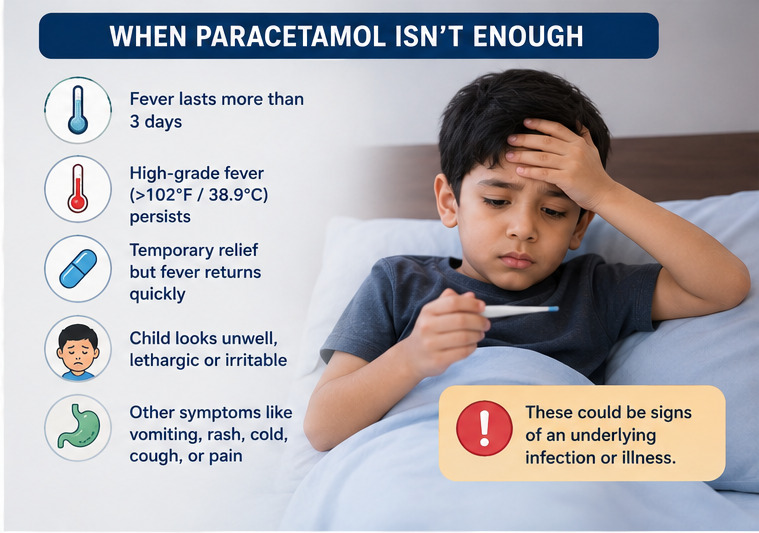
Paracetamol typically starts working within 30 to 60 minutes and should bring the temperature down noticeably, even if not to completely normal. If, after a full hour, a genuinely high fever above 40°C hasn’t budged even slightly — that’s worth attention. If your child seems to bounce back between doses feeling okay, playing a bit, eating a little, that’s actually reassuring behavior regardless of what the thermometer says.
What’s genuinely concerning is different: fever persisting beyond five days regardless of medication, fever returning aggressively after seeming to improve — which often points toward a secondary infection setting in, or a gut feeling that something about your child just seems off compared to their normal self. That instinct, by the way, is on every single official red-flag checklist I’ve read. Parents know their kids. Trust that.
ठीक आहे, पण नक्की कशाला 'औषध काम करत नाहीये' असे म्हणता येईल?

येथे मला नेमकेपणाने सांगायचे आहे, कारण अस्पष्ट भीतीचा कोणालाच काही उपयोग होत नाही.
पॅरासिटामॉल साधारणपणे ३० ते ६० मिनिटांत काम करू लागते आणि त्यामुळे शरीराचे तापमान लक्षणीयरीत्या कमी व्हायला हवे; जरी ते पूर्णपणे सामान्य पातळीवर आले नाही तरीही. जर पूर्ण तास उलटून गेल्यानंतरही ४०°C पेक्षा जास्त असलेला तीव्र ताप किंचितही कमी झाला नाही, तर ती नक्कीच लक्ष देण्यासारखी बाब आहे. जर दोन डोसच्या मधल्या काळात तुमचे मूल पुन्हा उत्साही वाटत असेल, थोडे खेळत असेल आणि थोडेफार खात-पीत असेल, तर थर्मामीटरवर काहीही आकडे दिसले तरी ही एक दिलासादायक बाब आहे.
खरे चिंताजनक प्रकार वेगळेच असतात: औषध देऊनही पाच दिवसांपेक्षा जास्त काळ ताप टिकून राहणे; ताप कमी झाल्यासारखा वाटून पुन्हा तीव्रतेने परतणे (जे अनेकदा शरीरात दुसरे एखादे इन्फेक्शन किंवा संसर्ग झाल्याचे लक्षण असू शकते); किंवा तुमच्या मुलाच्या नेहमीच्या वागण्या-बोलण्यात काहीतरी वेगळे किंवा 'काहीतरी गडबड आहे' असे तुम्हाला आतून वाटणे. तसे पाहता, मी वाचलेल्या धोक्याच्या सूचनांच्या (red-flag checklists) प्रत्येक अधिकृत यादीमध्ये या अंतर्ज्ञानाचा किंवा जाणिवेचा उल्लेख असतोच. पालकांना आपल्या मुलांची चांगली जाण असते. त्या जाणिवेवर विश्वास ठेवा.
So what else can a doctor use, beyond paracetamol?
Here’s where the science gets genuinely interesting, and where I think a lot of home-remedy confusion comes from.
Ibuprofen is the other major player, and multiple studies actually show it performs slightly better than paracetamol at bringing fever down, though the difference isn’t dramatic enough to call one “better” outright. A UK cost-effectiveness study strongly recommended giving ibuprofen first in genuinely unwell, distressed febrile children, with paracetamol as backup.
Combining or alternating the two is where things get genuinely debated. Some studies show combined paracetamol-ibuprofen therapy clears fever roughly 23 minutes faster than paracetamol alone, and keeps kids fever-free for 4.4 extra hours over 24 hours compared to paracetamol alone. Sounds impressive on paper. But a more recent 2019 meta-analysis, and multiple Cochrane-style reviews since, call this benefit “modest” and “probably not clinically relevant” — meaning the temperature drop is real but tiny, often under a full degree. A 2025 safety study reassuringly found paracetamol, ibuprofen, and their combination equally effective, with vomiting being the only meaningfully common side effect across all three.
My honest clinical take, matching most current guidelines: these are not drugs to mix casually at home based on a formula you read somewhere. NICE explicitly states you can switch from one to the other if a child isn’t responding, but doesn’t recommend routine alternating as a default strategy. This decision belongs with your pediatrician, factoring in your specific child’s weight, hydration, and what’s actually causing the fever.
तर मग पॅरासिटामॉल व्यतिरिक्त डॉक्टर आणखी काय वापरू शकतात?

इथेच यामागचे विज्ञान खऱ्या अर्थाने रंजक ठरते आणि मला वाटते की घरगुती उपायांबद्दलचा बराचसा गोंधळ इथूनच निर्माण होतो.

आयबुप्रोफेन हा दुसरा प्रमुख पर्याय आहे आणि अनेक अभ्यासांमधून असे दिसून आले आहे की ताप कमी करण्याच्या बाबतीत ते पॅरासिटामॉलपेक्षा किंचित अधिक प्रभावी ठरते, तरीही हा फरक इतका मोठा नाही की एकाला सरळसरळ 'उत्तम' म्हणता येईल. यूकेमधील एका खर्च-कार्यक्षमता अभ्यासाने, खरोखरच आजारी, अस्वस्थ आणि ताप आलेल्या मुलांना प्रथम आयबुप्रोफेन देण्याची आणि पॅरासिटामॉलला पर्यायी उपाय म्हणून वापरण्याची जोरदार शिफारस केली आहे.

या दोन्हींना एकत्र वापरावे की आलटून पालटून वापरावे, यावरच खरा वाद सुरू होतो. काही अभ्यासांनुसार, पॅरासिटामॉल-आयबुप्रोफेनची एकत्रित उपचारपद्धती केवळ पॅरासिटामॉलच्या तुलनेत सुमारे २३ मिनिटे लवकर ताप उतरवते आणि केवळ पॅरासिटामॉलच्या तुलनेत २४ तासांमध्ये मुलांना ४.४ तास अधिक तापमुक्त ठेवते. कागदावर हे प्रभावी वाटते. परंतु २०१९ मधील एका अलीकडील मेटा-ॲनालिसिसमध्ये आणि त्यानंतरच्या अनेक कॉक्रेन-शैलीतील पुनरावलोकनांमध्ये, या फायद्याला "किरकोळ" आणि "बहुधा वैद्यकीयदृष्ट्या महत्त्वाचा नाही" असे म्हटले आहे — याचा अर्थ असा की तापातील घट खरी असली तरी ती अगदीच कमी असते, अनेकदा एका अंशापेक्षाही कमी. २०२५ च्या एका सुरक्षा अभ्यासात दिलासादायकपणे असे आढळून आले की पॅरासिटामॉल, आयबुप्रोफेन आणि त्यांचे मिश्रण तितकेच प्रभावी होते, आणि या तिन्ही औषधांमध्ये उलट्या होणे हा एकमेव लक्षणीय सामान्य दुष्परिणाम होता.

माझे प्रामाणिक वैद्यकीय मत, जे सध्याच्या बहुतेक मार्गदर्शक तत्त्वांशी जुळते, ते असे आहे की तुम्ही कुठेतरी वाचलेल्या सूत्रानुसार ही औषधे घरी सहजपणे मिसळू नयेत. NICE स्पष्टपणे सांगते की जर मूल प्रतिसाद देत नसेल तर तुम्ही एका औषधाऐवजी दुसरे औषध वापरू शकता, परंतु पूर्वनिर्धारित धोरण म्हणून नियमितपणे औषध बदलून वापरण्याची शिफारस करत नाही. हा निर्णय तुमच्या बालरोगतज्ञांनी घ्यायचा आहे, ज्यामध्ये तुमच्या विशिष्ट मुलाचे वजन, शरीरातील पाण्याचे प्रमाण आणि तापाचे नेमके कारण या गोष्टी विचारात घ्याव्यात.
And this brings me to the real point I want to make.
The medicine conversation is honestly the smaller half of this problem. The bigger half is figuring out WHY the fever won’t quit.
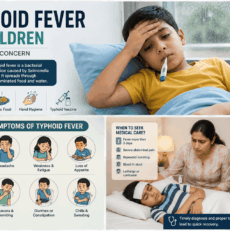
Right now, in Pune, dengue is genuinely a leading suspect given the numbers I mentioned earlier. Some pediatric intensivists have even reported neurological manifestations in a few dengue cases this season, which is why persistent fever in a child deserves actual bloodwork rather than repeated doses of medicine and hope. Typhoid, which I’ve written about extensively this season, is another real contender given ongoing water contamination issues across the city.
This is exactly why “the fever isn’t going away” should trigger a doctor’s visit for proper testing, not a medicine upgrade at home.
आणि यावरूनच मी माझ्या मुख्य मुद्द्याकडे येतो.
खरं तर, औषधांचा विषय हा या समस्येचा केवळ एक लहानसा भाग आहे. यातील अधिक महत्त्वाचा भाग म्हणजे ताप का कमी होत नाहीये, याचे मूळ कारण शोधणे.
मी आधी नमूद केलेल्या आकडेवारीचा विचार करता, सध्या पुण्यात डेंग्यू हे आजारपणाचे एक प्रमुख कारण असण्याची दाट शक्यता आहे. या हंगामात डेंग्यूच्या काही रुग्णांमध्ये मज्जासंस्थेशी संबंधित लक्षणे (neurological manifestations) दिसून आल्याचेही काही बालरोग अतिदक्षता तज्ज्ञांनी (pediatric intensivists) सांगितले आहे. म्हणूनच, मुलाला सतत ताप येत असेल, तर केवळ औषधांचे डोस बदलत राहण्याऐवजी किंवा केवळ बरे वाटण्याची आशा करण्याऐवजी प्रत्यक्ष रक्त तपासणी करून घेणे गरजेचे आहे. शहरात सध्या पाणी दूषित होण्याच्या समस्या पाहता, टायफॉइड हे देखील आजाराचे एक संभाव्य कारण असू शकते; याबद्दल मी या हंगामात सविस्तर लिहिले आहे.
म्हणूनच, "ताप कमी होत नाहीये" असे आढळल्यास घरीच औषधे बदलण्याऐवजी डॉक्टरांकडे जाऊन योग्य तपासणी करून घेणे आवश्यक आहे.
When should you actually bring your child in?
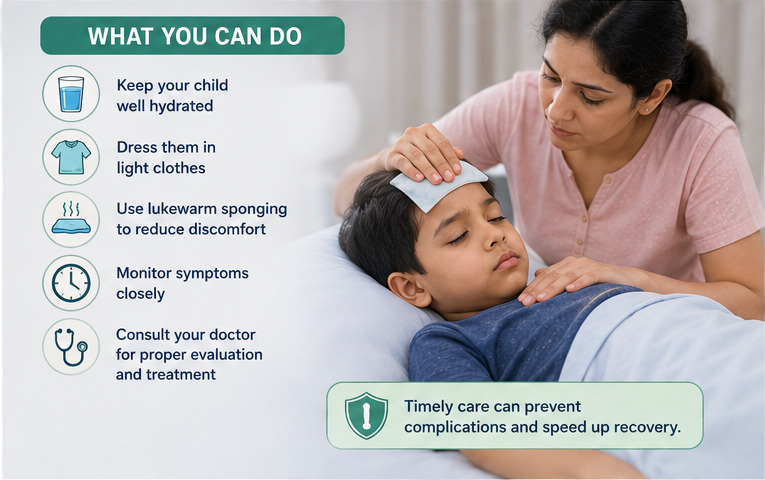
Come in immediately, don’t wait, if your child is under three months old with any fever at all, has a rash that doesn’t fade when you press a glass against it, shows breathing that’s noticeably faster or more laboured than normal, seems unusually drowsy, limp, or hard to wake, has a seizure for the first time, has cold hands and feet with warm fever, or refuses fluids to the point of visible dehydration — dry mouth, no wet nappy in eight hours, sunken eyes.
Also come in for fever lasting more than five days regardless of how the child looks otherwise, fever that returns strongly after seeming to settle, severe limb or joint pain alongside the fever, or simply that nagging feeling that something isn’t right. Given the current dengue and typhoid situation in Pune, I’d genuinely rather see a fever on day three for testing than wait until day six wondering what went wrong.
Paracetamol not working isn’t a crisis by itself. It’s information. And right now, in this particular monsoon, that information deserves a proper look rather than a stronger dose.
आपल्या मुलाला डॉक्टरांकडे नक्की कधी घेऊन जावे?

खालील परिस्थितींमध्ये अजिबात वाट न पाहता त्वरित डॉक्टरांकडे जा: मुलाचे वय तीन महिन्यांपेक्षा कमी असताना त्याला ताप येणे; अंगावर असे पुरळ उठणे जे त्यावर काचेचा पेला दाबून पाहिल्यास फिकट पडत नाही किंवा नाहीसे होत नाही; श्वासोच्छ्वास सामान्यपेक्षा खूप जलद किंवा कष्टाने चालणे; मूल असामान्यपणे सुस्त किंवा निपचित पडलेले वाटणे किंवा त्याला जागे करणे कठीण जाणे; पहिल्यांदाच फिट (आचकी) येणे; ताप असताना हात-पाय थंड पडणे; किंवा द्रव पदार्थ घेण्यास नकार देणे ज्यामुळे निर्जलीकरणाची (dehydration) स्पष्ट लक्षणे दिसतात — जसे की तोंड कोरडे पडणे, आठ तासांत लघवीमुळे डायपर न भिजणे किंवा डोळे खोल जाणे.
तसेच, पाच दिवसांपेक्षा जास्त काळ ताप राहिल्यास (मग मूल वरकरणी कसेही दिसत असले तरीही), ताप कमी होऊन पुन्हा तीव्रतेने परतल्यास, तापासोबतच हात-पायांत किंवा सांध्यांत तीव्र वेदना होत असल्यास, किंवा काहीतरी गडबड आहे अशी सतत शंका वाटत असल्यास डॉक्टरांचा सल्ला घ्यावा. पुण्यातील डेंग्यू आणि टायफॉइडची सध्याची परिस्थिती पाहता, सहाव्या दिवसापर्यंत वाट पाहून नक्की काय झाले आहे याचा विचार करण्यापेक्षा, तिसऱ्या दिवशीच तापाची तपासणी करून घेणे मला अधिक योग्य वाटते.
पॅरासिटामोलचा परिणाम न होणे ही काही आपत्कालीन किंवा गंभीर समस्या नाही; ती केवळ एक माहिती आहे. आणि सध्याच्या या पावसाळ्यात, औषधाचा डोस वाढवण्यापेक्षा त्या माहितीकडे योग्य दृष्टीने लक्ष देणे गरजेचे आहे.
About the Author
Dr. Suhas Sodal, MBBS, MD (Pediatrics), brings over 15 years of experience caring for children in Pimple Gurav, Pimpri, and surrounding areas.
He specializes in pediatric infectious diseases, childhood allergies and asthma, vaccines, and nutrition.
Dr. Sodal has led multiple clinical trials on vaccine safety and efficacy, ensuring evidence-based care.
His passion for pediatric nutrition drives innovative, child-friendly dietary guidance rooted in Indian traditions.
Families in Pimple Gurav, Pimple Saudagar, Rahatani, Wakad, Aundh, Dapodi, Sangvi, Bhosari, Pimpri, and Vallabh Nagar trust his expertise.
He practices at IRA Children’s Clinic in Pimple Gurav, offering personalized treatment plans for every child.
Dr. Sodal’s holistic approach blends modern medicine with practical nutritional advice for optimal growth.
His clinic is known for compassionate care, helping children thrive through preventive and curative services.
Parents seeking reliable pediatric advice can reach IRA Children’s Clinic at 7276012600.
Dr. Sodal remains dedicated to advancing child health and wellness in the Pune region.
लेखकाबद्दल

डॉ. सुहास सोडल, एमबीबीएस, एमडी (बालरोगशास्त्र) यांना पिंपळे गुरव, पिंपरी आणि आसपासच्या परिसरातील मुलांची काळजी घेण्याचा १५ वर्षांहून अधिक अनुभव आहे.
ते बालरोग संसर्गजन्य रोग, बालपणीच्या ऍलर्जी आणि दमा, लस आणि पोषण या विषयांमध्ये तज्ज्ञ आहेत.
डॉ. सोडल यांनी लसीची सुरक्षितता आणि परिणामकारकता यावर अनेक क्लिनिकल चाचण्यांचे नेतृत्व केले आहे, ज्यामुळे पुराव्यावर आधारित काळजी सुनिश्चित होते.
बालरोग पोषणाबद्दलची त्यांची आवड भारतीय परंपरांमध्ये रुजलेली नाविन्यपूर्ण, बाल-अनुकूल आहार मार्गदर्शन करते.
पिंपळे गुरव, पिंपळे सौदागर, रहाटणी, वाकड, औंध, दापोडी, सांगवी, भोसरी, पिंपरी आणि वल्लभ नगरमधील कुटुंबे त्यांच्या कौशल्यावर विश्वास ठेवतात.
ते पिंपळे गुरव येथील इरा चिल्ड्रन्स क्लिनिकमध्ये प्रॅक्टिस करतात, प्रत्येक मुलासाठी वैयक्तिकृत उपचार योजना देतात.
डॉ. सोडल यांचा समग्र दृष्टिकोन आधुनिक औषधांना इष्टतम वाढीसाठी व्यावहारिक पौष्टिक सल्ल्यासह एकत्रित करतो.
त्यांचे क्लिनिक दयाळू काळजीसाठी ओळखले जाते, प्रतिबंधात्मक आणि उपचारात्मक सेवांद्वारे मुलांना भरभराट करण्यास मदत करते.
विश्वसनीय बालरोग सल्ला मिळवणाऱ्या पालकांना इरा चिल्ड्रन्स क्लिनिकशी ७२७६०१२६०० या क्रमांकावर संपर्क साधता येईल.
डॉ. सोडल पुणे प्रदेशात बाल आरोग्य आणि निरोगीपणा वाढवण्यासाठी समर्पित आहेत.
Disclaimer:
काळजीपूर्वक लक्षात घ्या:



Leave a comment