
October 2, 2026
The Facts About Childhood Eczema: Managing Dry, Itchy Skin
'ग्रोइंग पेन्स' (वाढीमुळे होणाऱ्या वेदना): तुमच्या ४ वर्षांच्या मुलाच्या पायातील वेदना कदाचित काहीच गंभीर नसतील (आणि हेच त्यामागचे निदान असू शकते)
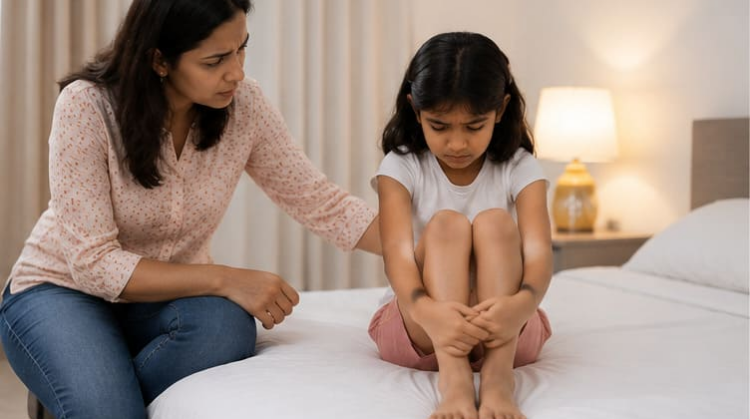
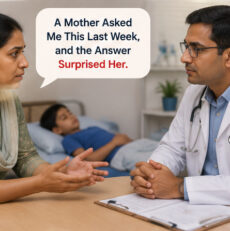
A mother sat across from me last week, worried out of her mind.
Her son. Four years old. Full of energy all day, running around like a small tornado, and then somewhere around bedtime — or worse, in the middle of the night — he’d wake up crying, clutching his legs. Every alternate day, she said. Sometimes both legs. Sometimes just one. By morning, gone. Nothing. He’d run off to play like it never happened.
She had already Googled it. Bone cancer showed up. So did arthritis. So did a dozen terrifying possibilities that no parent should have to read at 2 AM with a crying toddler on their lap.
I want to tell you what I told her, because I suspect a lot of you reading this have lived through the exact same night.
गेल्या आठवड्यात एक आई माझ्यासमोर बसली होती; ती प्रचंड चिंतेत होती.

तिचा मुलगा—अवघ्या चार वर्षांचा. दिवसभर प्रचंड उत्साही, एखाद्या लहानशा वादळासारखा इकडे-तिकडे धावणारा; पण झोपायच्या वेळी—किंवा त्याहून वाईट म्हणजे मध्यरात्री—तो रडत जागा व्हायचा आणि आपले पाय घट्ट पकडून ठेवायचा. तिने सांगितले की, हे दर दुसऱ्या दिवशी घडायचे. कधी दोन्ही पाय दुखायचे, तर कधी फक्त एक. पण सकाळी उठल्यावर मात्र काहीच नाही; जणू काही घडलेच नव्हते अशा प्रकारे तो पुन्हा खेळायला निघून जायचा.

तिने याबद्दल गुगलवर माहिती शोधली होती. त्यात 'हाडांचा कर्करोग' (bone cancer) आणि 'संधिवात' (arthritis) असे गंभीर आजार समोर आले. तसेच, अशा अनेक भीतीदायक शक्यताही दिसल्या ज्या मध्यरात्री मांडीवर रडणाऱ्या लहान मुलाला घेऊन बसलेल्या कोणत्याही पालकाने वाचू नयेत.

मी तिला जे सांगितले तेच तुम्हालाही सांगू इच्छितो, कारण मला खात्री आहे की हे वाचणाऱ्यांपैकी अनेकांनी अशाच प्रकारच्या रात्रींचा अनुभव घेतला असेल.
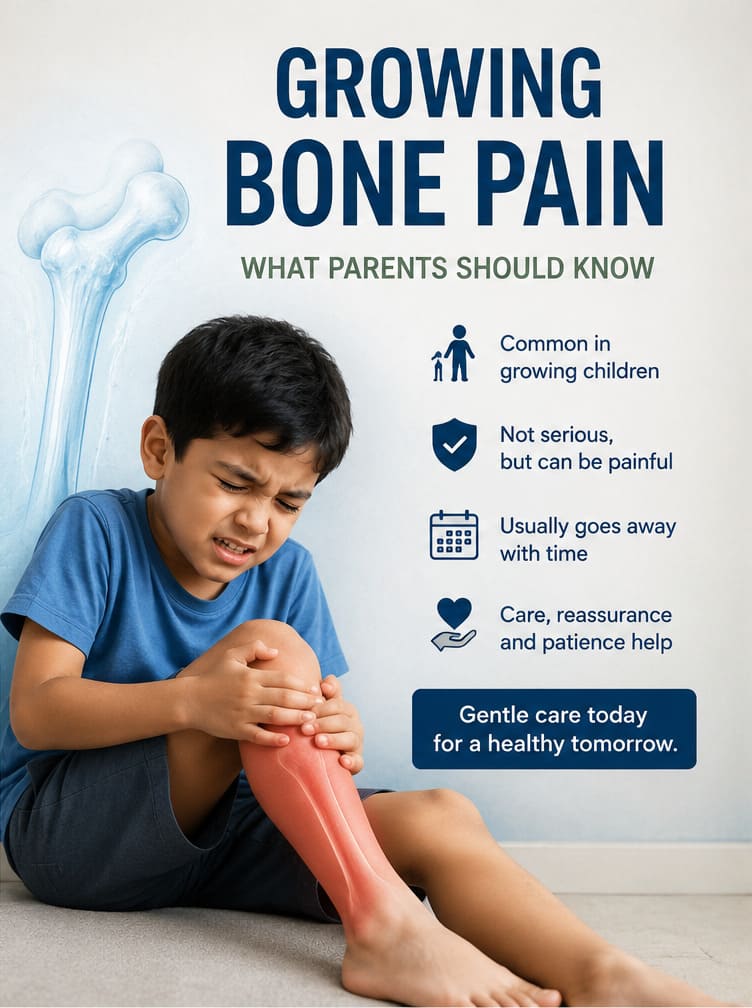
This has a name. It’s called growing pains. And honestly? The name is a bit of a lie.
Here’s the twist nobody expects: growing pains have nothing to do with growing. Zero. Nada. Researchers have been chasing this mystery since 1823, when a French physician first wrote it down, and after two centuries of study, we still don’t have a confirmed mechanism. Isn’t that wild? A condition this common, and we’re still shrugging at the “why.”
What we do know is this — it’s astonishingly frequent. The Indian Academy of Pediatrics notes that growing pains occur in 10 to 20% of school-age children, with prevalence estimates ranging anywhere from 2% to nearly 50% depending on which diagnostic criteria a study uses. The sweet spot, the age range where this shows up most, sits between 3 and 8 years old. Your four-year-old? Right in the bullseye.
याला एक नाव आहे – 'ग्रोइंग पेन्स' (वाढीच्या वयातील वेदना). पण खरं सांगायचं तर? हे नावच मुळात थोडं दिशाभूल करणारं आहे.

आणि यात एक अशी अनपेक्षित गोष्ट आहे जी कोणाच्याच लक्षात येत नाही: या वेदनांचा शरीराच्या वाढीशी काहीही संबंध नसतो. अजिबात नाही. १८२३ मध्ये एका फ्रेंच डॉक्टरांनी याबद्दल पहिल्यांदा लिहिल्यापासून संशोधक या रहस्याचा उलगडा करण्याचा प्रयत्न करत आहेत; दोन शतकांच्या अभ्यासानंतरही, यामागील नेमकी प्रक्रिया काय आहे हे आपल्याला अजूनही समजलेले नाही. आहे ना हे आश्चर्यकारक? इतकी सामान्य समस्या असूनही, त्यामागचे नेमके कारण काय, याबद्दल आपण अजूनही अनभिज्ञ आहोत.

आपल्याला जी गोष्ट नक्की माहित आहे ती म्हणजे – ही समस्या अत्यंत मोठ्या प्रमाणावर आढळते. 'इंडियन ॲकॅडमी ऑफ पेडियाट्रिक्स'च्या मते, शालेय वयातील १० ते २० टक्के मुलांमध्ये या वेदना दिसून येतात; अभ्यासासाठी वापरल्या जाणाऱ्या निदानाच्या निकषांनुसार याचे प्रमाण २ टक्क्यांपासून ते जवळपास ५० टक्क्यांपर्यंत असू शकते. ३ ते ८ वर्षे वयोगटातील मुलांमध्ये ही समस्या सर्वाधिक प्रमाणात आढळते. तुमचे चार वर्षांचे मूल? ते अगदी याच वयोगटात येते.
So what’s actually happening in those little legs?
Nobody’s entirely sure, but there are theories, and some are more convincing than others.
One study out of a Mediterranean population found something interesting — growing pains showed up after intensive physical exercise in nearly 78.5% of cases. That’s a big number. The researchers floated the idea that this might be a kind of overuse syndrome in the lower limbs, basically your child’s muscles saying “hey, that was a lot of running today” in the only language a four-year-old’s body knows how to speak.
A newer study, published in 2025, dug into lifestyle risk factors across 290 children and found something else worth noting: pain frequency correlated with things like being underweight, having cold lower extremities, and even bad temperament. Another factor that kept popping up across research? Joint hypermobility — basically loose, bendy joints — has a documented, strong correlation with growing pains in school children. If your kid can bend their thumb back to touch their wrist, don’t be shocked if growing pains show up too.
तर, त्या लहान पायांमध्ये नक्की काय घडत असते?

याबाबत कोणालाही निश्चित माहिती नाही, पण काही सिद्धांत मांडले गेले आहेत आणि त्यापैकी काही सिद्धांत अधिक पटण्यासारखे आहेत.

भूमध्यसागरीय (मेडिटेरेनियन) भागातील लोकांवर केलेल्या एका अभ्यासात एक रंजक बाब समोर आली — जवळजवळ ७८.५% प्रकरणांमध्ये, अतिश्रम किंवा तीव्र शारीरिक हालचालींनंतर 'ग्रोइंग पेन्स' (वाढीच्या वयातील वेदना) दिसून आल्या. हे प्रमाण लक्षणीय आहे. संशोधकांनी असा विचार मांडला की, हा कदाचित पायांच्या अतिवापरामुळे होणारा त्रास (ओव्हरयुज सिंड्रोम) असू शकतो; थोडक्यात सांगायचे तर, तुमच्या मुलाचे स्नायू चार वर्षांच्या मुलाच्या शरीराला समजणाऱ्या एकमेव भाषेतून जणू काही असे सांगत असतात की, "अरे, आज खूप धावपळ झाली आहे."

२०२५ मध्ये प्रकाशित झालेल्या एका नवीन अभ्यासात २९० मुलांच्या जीवनशैलीशी संबंधित धोक्याच्या घटकांचा सखोल अभ्यास करण्यात आला आणि आणखी एक महत्त्वाची बाब समोर आली: वेदना होण्याचे प्रमाण हे कमी वजन, पायांचे तळवे किंवा पाय थंड असणे आणि अगदी चिडखोर स्वभाव यांसारख्या गोष्टींशी संबंधित असल्याचे आढळले. संशोधनादरम्यान वारंवार दिसून आलेला आणखी एक घटक म्हणजे 'जॉइंट हायपरमोबिलिटी' (सांध्यांची अति-लवचिकता किंवा सैलपणा); शालेय वयातील मुलांमधील वाढीच्या वयातील वेदनांशी याचा एक भक्कम आणि सिद्ध झालेला संबंध आहे. जर तुमचे मूल आपला अंगठा मागे वाकवून मनगटापर्यंत स्पर्श करू शकत असेल, तर त्यांना वाढीच्या वयातील वेदनांचा त्रास झाल्यास आश्चर्य वाटू देऊ नका.
The pattern is oddly predictable, once you know what to look for.
Here’s where it gets almost comforting, in a weird clinical way. Growing pains follow rules. Actual rules, laid out by pediatric researchers, that help separate this harmless condition from things that genuinely need attention.
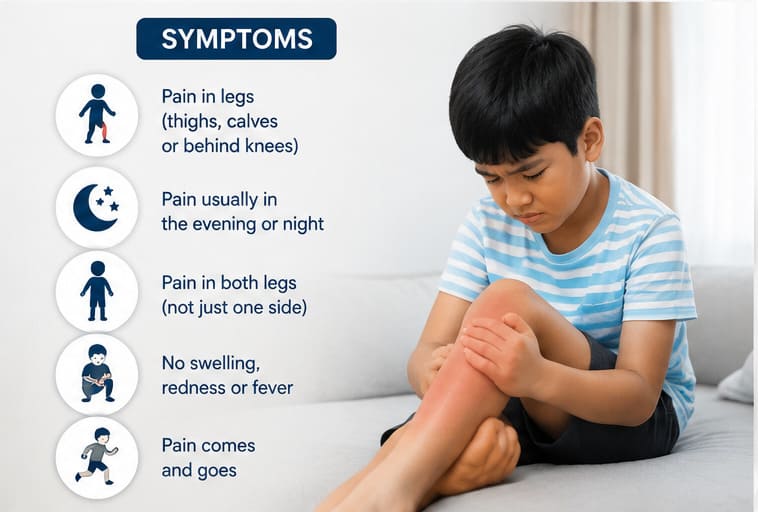
The pain is symmetrical — both legs, roughly, not stubbornly stuck to one side. It shows up in the evening or the middle of the night, never first thing in the morning. It doesn’t stick to joints; it’s usually in the muscles of the calf, the thigh, sometimes behind the knee. A large 2024 study found the knee was the single most common location, and the pain peaked between 4 PM and 5 PM most frequently. Between episodes? Nothing. The child runs, jumps, climbs stairs, plays cricket in the lane outside — completely normal.
And this is the detail I always emphasize to parents: growing pains do not cause a limp. Ever. If your child is limping, that’s not growing pains. That’s something else, and it needs a proper look.
एकदा का तुम्हाला काय पाहायचे आहे हे समजले, की यातील विशिष्ट क्रम (पॅटर्न) सहज लक्षात येतो.

इथेच एक विचित्र पण दिलासादायक बाब समोर येते. 'ग्रोइंग पेन्स' (वाढीच्या वयातील वेदना) काही ठराविक नियमांनुसारच होतात. बालरोगतज्ज्ञ संशोधकांनी निश्चित केलेले हे नियम, या निरुपद्रवी स्थितीला अशा समस्यांपासून वेगळे करण्यास मदत करतात ज्यांकडे खरोखरच लक्ष देणे गरजेचे असते.

या वेदना दोन्ही बाजूंना (सममितीय) असतात — म्हणजे साधारणपणे दोन्ही पायांत जाणवतात, त्या केवळ एकाच बाजूला ठराविक ठिकाणी मर्यादित नसतात. त्या संध्याकाळी किंवा मध्यरात्री जाणवतात; सकाळी उठल्याबरोबर कधीच होत नाहीत. त्या सांध्यांमध्ये होत नाहीत; त्या सहसा पोटरीच्या किंवा मांडीच्या स्नायूंमध्ये, आणि कधीकधी गुडघ्याच्या मागील भागात जाणवतात. २०२४ मधील एका मोठ्या अभ्यासात असे दिसून आले की, गुडघा हे वेदनांचे सर्वात सामान्य ठिकाण आहे आणि या वेदनांची तीव्रता बहुतेकदा दुपारी ४ ते ५ च्या दरम्यान सर्वाधिक असते. वेदनांच्या दोन प्रसंगांमधील काळात? काहीच त्रास नसतो. मूल धावते, उड्या मारते, पायऱ्या चढते, घराबाहेरच्या गल्लीत क्रिकेट खेळते — अगदी सामान्यपणे वावरते.

आणि पालकांना मी नेहमी याच गोष्टीवर भर देऊन सांगते: 'ग्रोइंग पेन्स'मुळे मूल लंगडत नाही. कधीच नाही. जर तुमचे मूल लंगडत असेल, तर ते 'ग्रोइंग पेन्स' नसतात. ते काहीतरी वेगळे असते आणि त्याची योग्य तपासणी करणे गरजेचे असते.
What actually helps at home (spoiler: it’s refreshingly simple)
You don’t need imaging. You don’t need blood tests for a textbook case. What you need is reassurance, a bit of massage, and maybe a dose of paracetamol before bedtime on the nights you know it’s coming.
Massaging the affected leg is, according to research, the most common approach parents already use instinctively — and it works reasonably well for most kids. A warm compress helps too. Some pediatric researchers even suggest supportive, cushioned footwear like sports shoes over hard-soled sandals, since this seems to reduce how often episodes strike.
Give paracetamol before bed if you know your child tends to wake up crying around the same time most nights. It’s not treating a disease — there isn’t one to treat — but it pre-empts the discomfort and helps everyone sleep through the night, including you.
घरी नक्की कशाचा उपयोग होतो? (खुलासा: उपाय अगदी सोपा आहे)

यासाठी कोणत्याही 'इमेजिंग'ची (उदा. क्ष-किरण किंवा एमआरआय) गरज नसते. स्पष्ट लक्षणे दिसत असल्यास रक्त तपासणीचीही आवश्यकता नसते. तुम्हाला गरज असते ती केवळ दिलासा देण्याची, थोडा मसाज करण्याची आणि वेदना सुरू होण्याची शक्यता असलेल्या रात्री झोपण्यापूर्वी पॅरासिटामोलचा डोस देण्याची.

संशोधनानुसार, प्रभावित पायाला मसाज करणे हा पालकांकडून सहजपणे किंवा उपजतच वापरला जाणारा सर्वात सामान्य उपाय आहे — आणि बहुतेक मुलांसाठी तो चांगला परिणामकारक ठरतो. गरम शेक घेण्यानेही आराम मिळतो. काही बालरोगतज्ज्ञ संशोधक कडक तळवे असलेल्या सँडल्सऐवजी स्पोर्ट्स शूजसारखी मऊ गादी (कुशनिंग) असलेली पादत्राणे वापरण्याचा सल्ला देतात; कारण यामुळे वेदनांचे झटके येण्याचे प्रमाण कमी होऊ शकते.

जर तुमचे मूल बहुतेक रात्री एकाच वेळी रडत उठत असेल, तर त्याला झोपण्यापूर्वी पॅरासिटामोल द्या. यामुळे एखाद्या आजारावर उपचार केले जात नाहीत — कारण मुळात कोणताही आजार नसतोच — परंतु यामुळे होणारी अस्वस्थता आधीच रोखली जाते आणि तुम्हाला व तुमच्या मुलाला रात्रीची शांत झोप मिळण्यास मदत होते.
Now, the part where I ask you to actually pay attention.
Growing pains are benign. I promise you that. But — and this is a big but — there’s a specific list of red flags that should never be brushed off as “just growing pains,” and every parent deserves to know them cold.
Watch for these, according to established pediatric criteria:
• Fever alongside the leg pain
• Unexplained weight loss
• A limp, even a mild or occasional one
• Pain so severe the child refuses to bear weight on the leg
• Losing a motor skill they’d already mastered — walking, running, climbing
• Pain that wakes the child and is still there the next morning
• Pain localized to a bone, with actual tenderness when you press on it
• Pain in only one leg, consistently, episode after episode
• Swelling anywhere near a joint
These signs point toward things doctors need to rule out — infections like osteomyelitis, inflammatory arthritis, or rarer but serious concerns like leukemia and bone tumors. I’m not saying this to scare you. I’m saying it because knowing the difference is exactly what lets most parents sleep easy instead of Googling worst-case scenarios at midnight.
आता, तो भाग जिथे मी तुम्हाला खरोखर लक्ष देण्यास सांगत आहे.

वाढीच्या वेदना सौम्य असतात. मी तुम्हाला वचन देतो. पण — आणि हे एक मोठे 'पण' आहे — धोक्याच्या चिन्हांची एक विशिष्ट यादी आहे, ज्याकडे 'केवळ वाढीच्या वेदना' म्हणून कधीही दुर्लक्ष करू नये, आणि प्रत्येक पालकाला ती माहिती तोंडपाठ माहित असण्याचा हक्क आहे.

प्रस्थापित बालरोग निकषांनुसार, या लक्षणांवर लक्ष ठेवा:
• पायाच्या वेदनेसोबत ताप येणे
• न समजलेले वजन कमी होणे
• लंगडणे, अगदी सौम्य किंवा अधूनमधून असले तरीही
• वेदना इतक्या तीव्र असणे की मूल त्या पायावर वजन टाकण्यास नकार देते
• चालणे, धावणे, चढणे यांसारखे आधीच अवगत असलेले शारीरिक कौशल्य गमावणे
• वेदनांमुळे मूल जागे होणे आणि दुसऱ्या दिवशी सकाळीही त्या तशाच असणे
• वेदना केवळ हाडापुरती मर्यादित असणे, आणि दाबल्यावर प्रत्यक्ष दुखणे
• केवळ एकाच पायात, सातत्याने आणि वारंवार वेदना होणे
• सांध्याच्या जवळ कुठेही सूज येणे

ही चिन्हे अशा गोष्टींकडे निर्देश करतात ज्यांची डॉक्टरांनी शक्यता नाकारली पाहिजे — जसे की ऑस्टियोमायलायटिस, इन्फ्लेमेटरी आर्थरायटिस यांसारखे संसर्ग, किंवा ल्युकेमिया आणि हाडांच्या गाठी यांसारख्या दुर्मिळ पण गंभीर समस्या. मी हे तुम्हाला घाबरवण्यासाठी सांगत नाहीये. मी हे यासाठी सांगत आहे कारण हा फरक माहीत असल्यामुळेच बहुतेक पालक मध्यरात्री गुगलवर वाईट परिस्थितीच्या कल्पना शोधण्याऐवजी शांतपणे झोपू शकतात.
When should you actually walk into my clinic?
Come see me if any of those red flags show up — don’t wait it out, don’t Google it into oblivion, just come in. Also come in if the pattern feels “off” in a way you can’t quite explain. Parents often know before the checklist does.
If your child fits the classic picture — symmetrical, evening-only, no limp, thriving in between episodes — a single visit for reassurance and a quick clinical check is usually enough. I do a basic screening exam, check the joints, watch how they walk and play in the room, and in the overwhelming majority of cases, that’s the whole story. No blood work. No X-rays. Just a name for something that already stopped being scary the moment you understood it.
Your son isn’t broken. His bones aren’t the problem. He’s just a four-year-old whose body is figuring out how to run around all day without complaining about it later — except, apparently, at 2 AM.
तुम्ही माझ्या क्लिनिकमध्ये नक्की कधी यायला हवं?

जर वर नमूद केलेल्या धोक्याच्या लक्षणांपैकी काही दिसले तर मला भेटायला या — वाट पाहू नका, गुगलवर शोधून काहीच सुचत नाहीये, थेट येऊन बघा. तसेच, जर तुम्हाला तुमच्या वागण्यात काहीतरी वेगळेपणा जाणवत असेल आणि त्याचे नेमके कारण सांगता येत नसेल, तर सुद्धा येऊन बघा. तपासणी यादी पूर्ण होण्याआधीच पालकांना बऱ्याचदा ते कळलेले असते.

जर तुमचे मूल सर्वसाधारण लक्षणांशी जुळत असेल — म्हणजे त्याचे शरीर सममित असेल, त्याला फक्त संध्याकाळीच त्रास होत असेल, तो लंगडत नसेल, आणि त्रासाच्या मधल्या काळात त्याची प्रकृती उत्तम असेल — तर केवळ खात्रीसाठी आणि एका जलद वैद्यकीय तपासणीसाठी एकच भेट पुरेशी असते. मी एक प्राथमिक तपासणी करतो, सांधे तपासतो, ते खोलीत कसे चालतात आणि खेळतात हे पाहतो, आणि बहुतेक प्रकरणांमध्ये, एवढीच संपूर्ण कहाणी असते. रक्ताच्या चाचण्या नाहीत. एक्स-रे नाहीत. फक्त एका अशा गोष्टीला दिलेले नाव, जे समजल्याक्षणीच भीतीदायक वाटत नाही.

तुमचा मुलगा मोडलेला नाही. त्याच्या हाडांमध्ये काही समस्या नाही. तो फक्त एक चार वर्षांचा मुलगा आहे, ज्याचे शरीर दिवसभर धावपळ करून नंतर त्रास न देण्याचे शिकत आहे — अर्थात, रात्री २ वाजता वगळता.
About the Author
Dr. Suhas Sodal, MBBS, MD (Pediatrics), brings over 15 years of experience caring for children in Pimple Gurav, Pimpri, and surrounding areas.
He specializes in pediatric infectious diseases, childhood allergies and asthma, vaccines, and nutrition.
Dr. Sodal has led multiple clinical trials on vaccine safety and efficacy, ensuring evidence-based care.
His passion for pediatric nutrition drives innovative, child-friendly dietary guidance rooted in Indian traditions.
Families in Pimple Gurav, Pimple Saudagar, Rahatani, Wakad, Aundh, Dapodi, Sangvi, Bhosari, Pimpri, and Vallabh Nagar trust his expertise.
He practices at IRA Children’s Clinic in Pimple Gurav, offering personalized treatment plans for every child.
Dr. Sodal’s holistic approach blends modern medicine with practical nutritional advice for optimal growth.
His clinic is known for compassionate care, helping children thrive through preventive and curative services.
Parents seeking reliable pediatric advice can reach IRA Children’s Clinic at 7276012600.
Dr. Sodal remains dedicated to advancing child health and wellness in the Pune region.
लेखकाबद्दल

डॉ. सुहास सोडल, एमबीबीएस, एमडी (बालरोगशास्त्र) यांना पिंपळे गुरव, पिंपरी आणि आसपासच्या परिसरातील मुलांची काळजी घेण्याचा १५ वर्षांहून अधिक अनुभव आहे.
ते बालरोग संसर्गजन्य रोग, बालपणीच्या ऍलर्जी आणि दमा, लस आणि पोषण या विषयांमध्ये तज्ज्ञ आहेत.
डॉ. सोडल यांनी लसीची सुरक्षितता आणि परिणामकारकता यावर अनेक क्लिनिकल चाचण्यांचे नेतृत्व केले आहे, ज्यामुळे पुराव्यावर आधारित काळजी सुनिश्चित होते.
बालरोग पोषणाबद्दलची त्यांची आवड भारतीय परंपरांमध्ये रुजलेली नाविन्यपूर्ण, बाल-अनुकूल आहार मार्गदर्शन करते.
पिंपळे गुरव, पिंपळे सौदागर, रहाटणी, वाकड, औंध, दापोडी, सांगवी, भोसरी, पिंपरी आणि वल्लभ नगरमधील कुटुंबे त्यांच्या कौशल्यावर विश्वास ठेवतात.
ते पिंपळे गुरव येथील इरा चिल्ड्रन्स क्लिनिकमध्ये प्रॅक्टिस करतात, प्रत्येक मुलासाठी वैयक्तिकृत उपचार योजना देतात.
डॉ. सोडल यांचा समग्र दृष्टिकोन आधुनिक औषधांना इष्टतम वाढीसाठी व्यावहारिक पौष्टिक सल्ल्यासह एकत्रित करतो.
त्यांचे क्लिनिक दयाळू काळजीसाठी ओळखले जाते, प्रतिबंधात्मक आणि उपचारात्मक सेवांद्वारे मुलांना भरभराट करण्यास मदत करते.
विश्वसनीय बालरोग सल्ला मिळवणाऱ्या पालकांना इरा चिल्ड्रन्स क्लिनिकशी ७२७६०१२६०० या क्रमांकावर संपर्क साधता येईल.
डॉ. सोडल पुणे प्रदेशात बाल आरोग्य आणि निरोगीपणा वाढवण्यासाठी समर्पित आहेत.
Disclaimer:
काळजीपूर्वक लक्षात घ्या:




Leave a comment