

October 16, 2026
The Hidden Speed of Youth Type 2 Diabetes: Signs Parents Might Miss
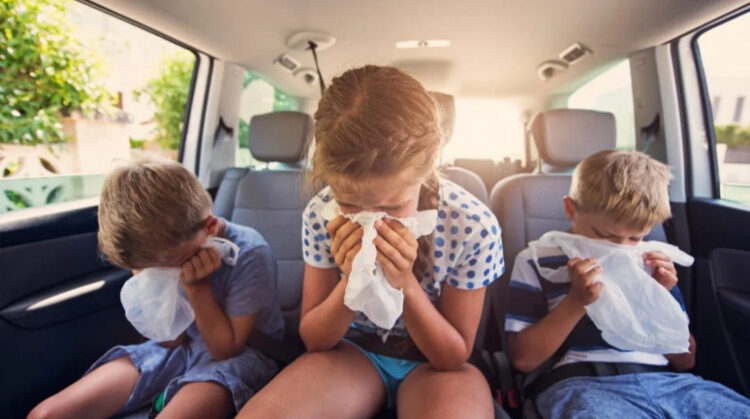
मुलांमधील प्रवासातील मळमळ: हे का होते आणि त्यावर नेमके काय उपाय आहेत
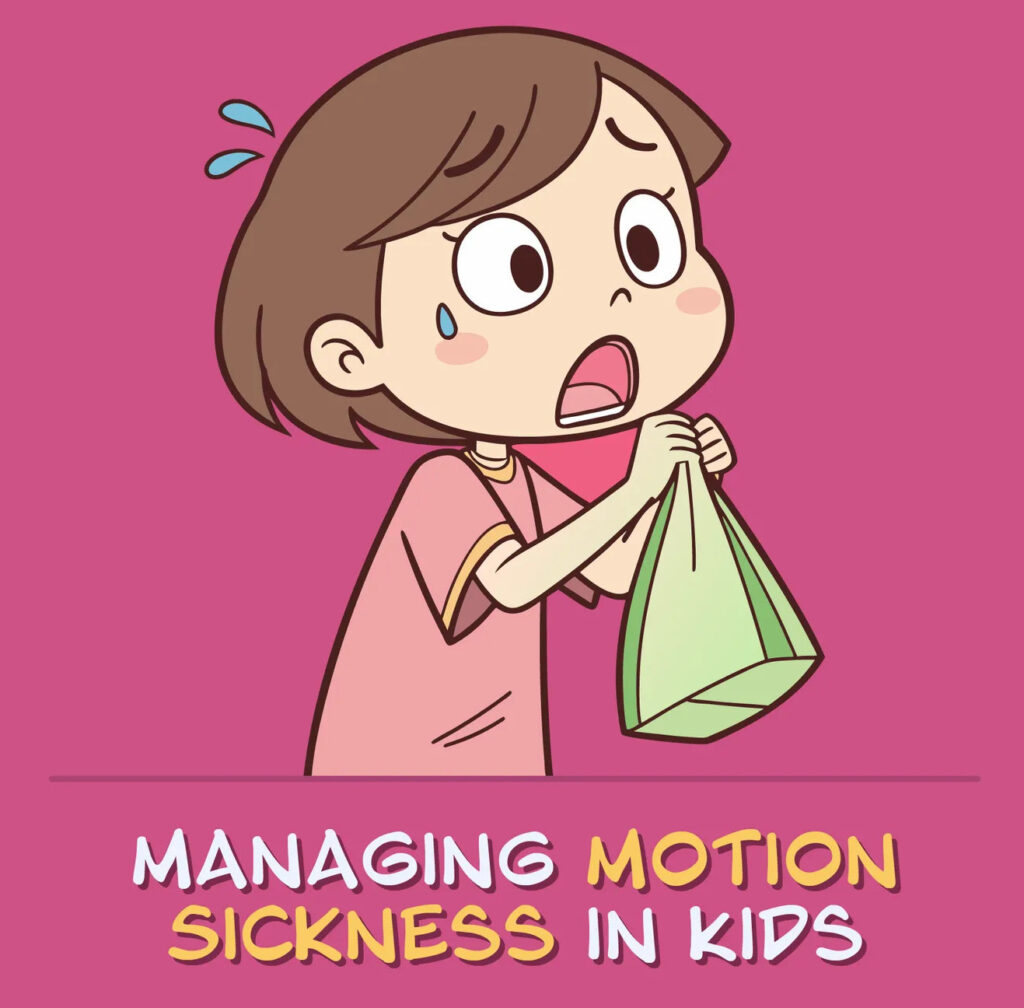
Summer Holidays and the Dreaded Car Ride
You have packed the snacks. The children are excited. The car is loaded. Ten minutes into the drive, your child goes quiet, looks pale, and the next thing you know, the holiday has already started on a very bad note.
If this sounds familiar, you are not alone. Motion sickness is one of the most common travel complaints in children, and summer vacation season brings it out in full force.
Let me tell you exactly why it happens and, more importantly, what you can actually do about it.
उन्हाळ्याच्या सुट्ट्या आणि गाडीतील भीतीदायक प्रवास

तुम्ही खाऊचे पदार्थ भरून ठेवले आहेत. मुले उत्साही आहेत. गाडीत सामान भरले आहे. प्रवासाला सुरुवात होऊन दहा मिनिटे झाली की, तुमचे मूल शांत होते, त्याचा चेहरा फिका पडतो आणि बघता बघता सुट्टीची सुरुवातच खूप वाईट होते.

जर हे तुम्हाला ओळखीचे वाटत असेल, तर तुम्ही एकटे नाही आहात. प्रवासात होणारा मळमळण्याचा त्रास (मोशन सिकनेस) ही मुलांमधील सर्वात सामान्य तक्रारींपैकी एक आहे आणि उन्हाळ्याच्या सुट्ट्यांमध्ये तो अधिकच वाढतो.
हे नेमके का घडते आणि त्याहून महत्त्वाचे म्हणजे, तुम्ही त्यावर नक्की काय करू शकता, हे मी तुम्हाला सांगते.
Why Children Get Motion Sickness More Than Adults
Motion sickness happens because of a conflict inside the brain.
When your child is sitting in a moving car, their inner ear detects the motion, the vibration, the acceleration and the turns. But their eyes, if they are looking down at a book or a phone screen, see a stationary object. The body’s muscles feel seated and still.
Three different sensory systems are sending three different messages to the brain at the same time. The brain cannot reconcile them. The result is nausea, dizziness and sometimes vomiting.
Children are more vulnerable to this than adults because their vestibular system, the balance and motion-sensing system in the inner ear, is still maturing. The brain of a child has not yet learned to filter and reconcile conflicting sensory signals as efficiently as an adult brain.
Studies show that motion sickness is rare under 2 years, peaks sharply between 7 and 12 years, and gradually decreases through the teenage years as the brain adapts and habituates.
A 2014 study of 831 school children found that up to 43.4% experienced motion sickness in cars and 43.2% in buses. That is almost half of all school-age children.
प्रौढांपेक्षा मुलांना प्रवासात मळमळ का होते?

प्रवासातील मळमळ मेंदूतील अंतर्गत संघर्षामुळे होते.
जेव्हा तुमचे मूल चालत्या गाडीत बसलेले असते, तेव्हा त्यांच्या कानाच्या आतील भाग गाडीची गती, कंपने, प्रवेग आणि वळणे ओळखतो. पण जर ते खाली पुस्तकाकडे किंवा फोनच्या स्क्रीनकडे पाहत असतील, तर त्यांच्या डोळ्यांना एक स्थिर वस्तू दिसते. शरीराच्या स्नायूंना बसल्यासारखे आणि स्थिर वाटते.

तीन वेगवेगळ्या संवेदी प्रणाली एकाच वेळी मेंदूला तीन वेगवेगळे संदेश पाठवत असतात. मेंदू त्यांच्यात ताळमेळ घालू शकत नाही. याचा परिणाम म्हणजे मळमळ, चक्कर आणि कधीकधी उलट्या होणे.
प्रौढांपेक्षा मुलांना याचा जास्त धोका असतो, कारण त्यांची वेस्टिब्युलर प्रणाली, म्हणजेच कानाच्या आतील भागातील संतुलन आणि गती ओळखणारी प्रणाली, अजून विकसित होत असते. प्रौढांच्या मेंदूप्रमाणे परस्परविरोधी संवेदी संकेतांना कार्यक्षमतेने गाळून त्यांच्यात ताळमेळ घालण्यास मुलांचा मेंदू अजून शिकलेला नसतो.

अभ्यासातून असे दिसून आले आहे की, २ वर्षांखालील मुलांमध्ये प्रवासातील मळमळ दुर्मिळ असते, ७ ते १२ वर्षांच्या दरम्यान ती तीव्रतेने वाढते आणि मेंदू जुळवून घेत व सराव करत असताना पौगंडावस्थेत हळूहळू कमी होते.
२०१४ मध्ये ८३१ शालेय मुलांवर केलेल्या एका अभ्यासात असे आढळून आले की, ४३.४% मुलांना कारमध्ये आणि ४३.२% मुलांना बसमध्ये प्रवासाने मळमळण्याचा त्रास होतो. ही संख्या शालेय वयोगटातील एकूण मुलांच्या जवळपास निम्मी आहे.
The Family Connection
If you or your partner suffered from motion sickness as a child, your child is significantly more likely to experience it too.
The American Academy of Pediatrics notes that if a parent has motion sickness, the child has a 50% higher chance of getting it as well.
Children who have a history of migraines or a family history of migraines are also more prone. A 2020 study found that nearly 48% of children presenting with severe motion sickness at a pediatric vestibular clinic had an underlying migraine disorder.
This does not mean your child has something seriously wrong. It just means their brain’s sensory processing is naturally more sensitive, and they need a bit more help during travel.
कौटुंबिक संबंध

जर तुम्हाला किंवा तुमच्या जोडीदाराला लहानपणी प्रवासात मळमळण्याचा त्रास झाला असेल, तर तुमच्या मुलालाही तो होण्याची शक्यता लक्षणीयरीत्या जास्त असते.
अमेरिकन ॲकॅडमी ऑफ पेडियाट्रिक्सच्या मते, जर पालकांना प्रवासात मळमळण्याचा त्रास होत असेल, तर त्यांच्या मुलालाही तो होण्याची शक्यता ५०% जास्त असते.

ज्या मुलांना मायग्रेनचा (अर्धशिशीचा) इतिहास आहे किंवा ज्यांच्या कुटुंबात मायग्रेनचा इतिहास आहे, त्यांनाही हा त्रास होण्याची शक्यता जास्त असते. २०२० च्या एका अभ्यासात असे आढळून आले की, बालरोग वेस्टिब्युलर क्लिनिकमध्ये तीव्र मळमळण्याच्या त्रासासह आलेल्या जवळपास ४८% मुलांमध्ये मायग्रेनचा मूळ आजार होता.
याचा अर्थ असा नाही की तुमच्या मुलाला काहीतरी गंभीर समस्या आहे. याचा फक्त एवढाच अर्थ आहे की त्यांच्या मेंदूची संवेदी प्रक्रिया नैसर्गिकरित्या अधिक संवेदनशील असते आणि प्रवासादरम्यान त्यांना थोड्या अधिक मदतीची आवश्यकता असते.
Recognising It Early
The earlier you catch the signs, the faster you can act.
Most children will not say they feel motion sick. They will go quiet. They will stop talking. They may look out of the window with a blank stare or put their head down.
Look out for:
• Sudden silence or unusual quietness during travel
• Pale or slightly grey face
• Yawning repeatedly, which is a very early sign of nausea
• Complaining of tummy ache or headache
• Cold sweaty skin
• Drooling more than usual in young children
If you wait until your child says they feel sick, it is already too late to prevent vomiting. Acting on the early quiet signs is the key.
लवकर ओळखणे

तुम्ही जितक्या लवकर लक्षणे ओळखाल, तितक्या लवकर तुम्ही कृती करू शकाल.
बहुतेक मुले प्रवासात मळमळ होत असल्याचे सांगणार नाहीत. ती शांत होतील. ती बोलणे थांबवतील. ती रिकाम्या नजरेने खिडकीबाहेर पाहू शकतात किंवा मान खाली घालू शकतात.

या लक्षणांकडे लक्ष द्या:
• प्रवासादरम्यान अचानक शांतता किंवा नेहमीपेक्षा जास्त शांतता
• चेहरा फिकट किंवा किंचित राखाडी होणे
• वारंवार जांभई देणे, जे मळमळीचे एक अगदी सुरुवातीचे लक्षण आहे
• पोटदुखी किंवा डोकेदुखीची तक्रार करणे
• थंड, घामाने भिजलेली त्वचा
• लहान मुलांमध्ये नेहमीपेक्षा जास्त लाळ गळणे
जर तुम्ही तुमचे मूल आजारी असल्याचे सांगेपर्यंत वाट पाहिली, तर उलट्या थांबवण्यासाठी आधीच खूप उशीर झालेला असतो. शांततेतून दिसणाऱ्या सुरुवातीच्या लक्षणांवर कृती करणे हेच महत्त्वाचे आहे.
What Actually Helps: Before You Travel
Get the Seating Right
Where your child sits in the vehicle makes a genuine difference.
In a car, the front passenger seat is the least motion-sick-inducing position because the eyes and inner ear get aligned information there. But for safety, children must sit in the back. The next best option is the middle seat of the back row.
Middle seats reduce side-to-side swaying. They also give a clearer forward view, which helps the eyes and inner ear agree on the direction of movement.
In a bus, seats near the front and over the wheels are better than rear seats. On an aeroplane, seats over the wing are the most stable.
Time the Travel Well
One of the most effective tricks for young children is timing the journey around sleep.
If you can start a long car journey at night or during your child’s naptime, they will sleep through the most vulnerable part of the trip. A sleeping child has their eyes closed, so the visual-vestibular conflict disappears completely.
Many families who have discovered this trick swear by it.
Feed Them Right Before Travelling
An empty stomach makes motion sickness worse. A very full stomach also makes it worse. The sweet spot is a small, light meal about an hour before travel.
Give them plain crackers, a banana, toast or a light dosa. Avoid fried food, heavy meals, dairy and anything oily. Skip fast food at the highway dhaba right before getting back into the car.
Keep small dry snacks available during the journey. A few plain crackers during travel can settle the stomach.
खरोखर काय मदत करते: प्रवासापूर्वी

बसण्याची जागा योग्य निवडा
तुमचे मूल वाहनात कुठे बसते, याने खूप फरक पडतो.
कारमध्ये, पुढची प्रवासी सीट ही मळमळ होण्याची शक्यता सर्वात कमी असलेली जागा आहे, कारण तिथे डोळे आणि कानाच्या आतील भागांना एकसंध माहिती मिळते. पण सुरक्षिततेसाठी, मुलांना मागेच बसवले पाहिजे. त्यानंतरचा सर्वोत्तम पर्याय म्हणजे मागच्या रांगेतील मधली सीट.
मधल्या सीट्समुळे बाजूला होणारी हालचाल कमी होते. तसेच, त्या समोरचे दृश्य अधिक स्पष्ट देतात, ज्यामुळे डोळे आणि कानाच्या आतील भागांना हालचालीच्या दिशेवर एकमत होण्यास मदत होते.
बसमध्ये, मागच्या सीट्सपेक्षा पुढच्या बाजूला आणि चाकांच्या वरच्या सीट्स अधिक चांगल्या असतात. विमानात, पंखांच्या वरच्या सीट्स सर्वात स्थिर असतात.
प्रवासाची वेळ योग्य साधा
लहान मुलांसाठी सर्वात प्रभावी युक्त्यांपैकी एक म्हणजे प्रवासाची वेळ त्यांच्या झोपेनुसार ठरवणे.
जर तुम्ही लांबचा कार प्रवास रात्री किंवा तुमच्या मुलाच्या दुपारच्या झोपेच्या वेळी सुरू करू शकलात, तर ते प्रवासाच्या सर्वात धोकादायक टप्प्यात झोपून राहतील. झोपलेल्या मुलाचे डोळे बंद असतात, त्यामुळे दृष्टी आणि दृष्टी यांच्यातील संघर्ष पूर्णपणे नाहीसा होतो.
ज्या कुटुंबांना ही युक्ती सापडली आहे, ते तिचा पुरेपूर उपयोग करून घेतात.
प्रवासाला निघण्यापूर्वी लगेच खाऊ घाला.
रिकाम्या पोटामुळे प्रवासातील मळमळ वाढते. पोट पूर्ण भरलेले असले तरीही ती वाढते. प्रवासाला निघण्यापूर्वी सुमारे एक तास आधी थोडे, हलके जेवण करणे सर्वात योग्य ठरते.
त्यांना साधे क्रॅकर्स, केळे, टोस्ट किंवा हलका डोसा द्या. तळलेले पदार्थ, जड जेवण, दुग्धजन्य पदार्थ आणि तेलकट पदार्थ टाळा. गाडीत परत बसण्यापूर्वी महामार्गावरील ढाब्यावर फास्ट फूड खाणे टाळा.
प्रवासादरम्यान खाण्यासाठी छोटे सुके पदार्थ सोबत ठेवा. प्रवासादरम्यान काही साधे क्रॅकर्स खाल्ल्याने पोटाला आराम मिळू शकतो.
Actually Helps: During Travel
The Horizon Fix
This is the single most scientifically grounded tip and it genuinely works.
Ask your child to look ahead at the horizon or at the road in the distance. Looking at a far-away fixed point helps the eyes and the inner ear finally agree: yes, we are moving forward.
For young children in a rear-facing car seat, this is not possible. Once they are old enough to face forward and look through the windscreen, encourage this actively.
No Screens, No Books
This is hard to enforce on a long trip, but it is non-negotiable.
Looking at a screen or reading a book means the eyes are focused on a stationary object while the inner ear is sensing motion. That is exactly the conflict that causes motion sickness.
Switch to audio instead. Download songs, audiobooks, podcasts for children, or play word games and memory games. Your child’s brain stays occupied without the visual-vestibular mismatch.
Fresh Air Helps More Than People Think
Roll the window down a few inches. Let fresh air in.
The slightly cooler air and the smell of outside air genuinely help reduce nausea. Stuffy, warm, perfumed interiors make nausea worse. Avoid strong car fresheners and keep the vehicle comfortably cool.
Keep the Head Still and Reclined
Encourage your child to recline their head against the headrest or a travel pillow. Head movements amplify the vestibular signal. Keeping the head still reduces the intensity of the conflict signals reaching the brain.
Keep Calm Yourself
Children pick up anxiety from parents. If every trip begins with you nervously asking your child whether they feel sick, you are almost certainly increasing the chance that they will feel sick.
Research shows that anxiety and anticipatory worry about motion sickness significantly increases susceptibility. Keep the mood light. Distract them with games and conversations. Do not mention motion sickness until there is a real reason to.
खरोखर मदत करते: प्रवासादरम्यान

क्षितिजावर लक्ष केंद्रित करणे
ही सर्वात वैज्ञानिकदृष्ट्या सिद्ध झालेली आणि खरोखरच प्रभावी ठरणारी एकमेव टीप आहे.
तुमच्या मुलाला पुढे क्षितिजाकडे किंवा दूरवरच्या रस्त्याकडे पाहण्यास सांगा. दूरवरच्या एका स्थिर बिंदूकडे पाहिल्याने डोळे आणि कानाच्या आतील भाग यांच्यात अखेर एकमत होण्यास मदत होते: होय, आपण पुढे जात आहोत.
मागे तोंड करून बसण्याच्या कार सीटमध्ये बसलेल्या लहान मुलांसाठी हे शक्य नसते. एकदा का ते पुढे तोंड करून विंडस्क्रीनमधून पाहण्याइतके मोठे झाले की, त्यांना यासाठी सक्रियपणे प्रोत्साहित करा.
स्क्रीन नाही, पुस्तके नाहीत
लांबच्या प्रवासात याची अंमलबजावणी करणे कठीण आहे, पण यावर कोणतीही तडजोड करता येणार नाही.
स्क्रीन पाहणे किंवा पुस्तक वाचणे म्हणजे डोळे एका स्थिर वस्तूवर केंद्रित असतात, तर कानाच्या आतील भाग हालचाल ओळखत असतो. नेमका हाच संघर्ष प्रवासातील मळमळ (मोशन सिकनेस) होण्यास कारणीभूत ठरतो.
त्याऐवजी ऑडिओचा वापर करा. मुलांसाठी गाणी, ऑडिओबुक्स, पॉडकास्ट डाउनलोड करा किंवा शब्दांचे आणि स्मरणशक्तीचे खेळ खेळा. यामुळे तुमच्या मुलाचा मेंदू दृष्य-संतुलनाच्या विसंगतीशिवाय व्यस्त राहतो.
ताजी हवा लोकांच्या विचारापेक्षा जास्त मदत करते
गाडीची खिडकी काही इंच खाली करा. ताजी हवा आत येऊ द्या.
किंचित थंड हवा आणि बाहेरच्या हवेचा वास मळमळ कमी करण्यास खरोखर मदत करतात. कोंदट, उबदार, सुगंधी आतील भाग मळमळ वाढवतात. तीव्र वासाचे कार फ्रेशनर वापरणे टाळा आणि गाडी आरामदायक थंड ठेवा.
डोके स्थिर आणि मागे टेकवून ठेवा
तुमच्या मुलाला त्याचे डोके हेडरेस्टवर किंवा प्रवासाच्या उशीवर टेकवून ठेवण्यास प्रोत्साहित करा. डोक्याच्या हालचालींमुळे वेस्टिब्युलर सिग्नल वाढतो. डोके स्थिर ठेवल्याने मेंदूपर्यंत पोहोचणाऱ्या संघर्षाच्या संकेतांची तीव्रता कमी होते.
स्वतः शांत राहा
मुले पालकांकडून चिंता शिकतात. जर प्रत्येक प्रवासाची सुरुवात तुम्ही तुमच्या मुलाला घाबरून 'तुला बरे वाटत नाहीये का?' असे विचारून करत असाल, तर तुम्ही त्याला आजारी पडण्याची शक्यता निश्चितपणे वाढवत आहात.
संशोधनातून असे दिसून आले आहे की, प्रवासातील मळमळीबद्दलची चिंता आणि त्याबद्दलची आगाऊ काळजी यामुळे त्याची शक्यता लक्षणीयरीत्या वाढते. वातावरण हलकेफुलके ठेवा. खेळ आणि संभाषणांमध्ये त्यांचे लक्ष विचलित करा. जोपर्यंत खरोखरच कारण नसेल, तोपर्यंत प्रवासातील मळमळीचा उल्लेख करू नका.
Ginger: The One Natural Remedy With Real Evidence
You may have heard about ginger for nausea. It is not just folk medicine.
Multiple clinical studies have found that ginger reduces nausea through its action on serotonin receptors in the gut and brain. It does not prevent motion sickness at the source but it does reduce nausea once it begins.
For children above 2 years, small amounts of ginger are safe. Ginger biscuits, a small piece of dried ginger candy, or ginger tea can help settle a queasy stomach during travel.
It is not a cure, but it is the best natural option available.
आले: ठोस पुराव्यांसह असलेला एकमेव नैसर्गिक उपाय

तुम्ही मळमळीवर आल्याबद्दल ऐकले असेल. हा केवळ एक पारंपरिक औषधोपचार नाही.
अनेक वैद्यकीय अभ्यासांमधून असे दिसून आले आहे की, आले आतडे आणि मेंदूतील सेरोटोनिन रिसेप्टर्सवर कार्य करून मळमळ कमी करते. ते प्रवासातील मळमळ मुळापासून थांबवत नाही, परंतु एकदा सुरू झाल्यावर ती नक्कीच कमी करते.
२ वर्षांवरील मुलांसाठी, आल्याचे अल्प प्रमाण सुरक्षित आहे. आल्याची बिस्किटे, सुक्या आल्याच्या कँडीचा एक छोटा तुकडा किंवा आल्याचा चहा प्रवासादरम्यान होणारी पोटाची अस्वस्थता कमी करण्यास मदत करू शकतात.
हा काही कायमस्वरूपी इलाज नाही, परंतु उपलब्ध असलेला हा सर्वोत्तम नैसर्गिक पर्याय आहे.
Taking Breaks: Underused and Very Effective
On long road trips, plan regular stops every 60 to 90 minutes.
When you stop, let your child get out of the car, walk around, breathe fresh air, and let their vestibular system recalibrate. Even a 5-minute walk at a petrol station helps significantly.
The Indian tendency to push through a long drive without stopping, especially when the destination feels close, is one of the most common reasons children arrive at a holiday destination completely miserable.
The stop costs you 10 minutes. The vomiting and recovery costs you much more.
विश्रांती घेणे: दुर्लक्षित पण अत्यंत प्रभावी उपाय

लांबच्या प्रवासात, दर ६० ते ९० मिनिटांनी नियमित थांबण्याचे नियोजन करा.
जेव्हा तुम्ही थांबता, तेव्हा तुमच्या मुलाला गाडीतून बाहेर पडू द्या, त्याला फिरू द्या, ताजी हवा घेऊ द्या आणि त्याच्या वेस्टिब्युलर सिस्टीमला (संतुलन प्रणालीला) पुन्हा व्यवस्थित होऊ द्या. पेट्रोल पंपावर ५ मिनिटे चालल्यानेही खूप मदत होते.
विशेषतः जेव्हा गंतव्यस्थान जवळ वाटत असते, तेव्हा न थांबता लांबचा प्रवास पूर्ण करण्याची भारतीयांची प्रवृत्ती, ही मुले सुट्टीच्या ठिकाणी पोहोचल्यावर पूर्णपणे दयनीय अवस्थेत असण्यामागील सर्वात सामान्य कारणांपैकी एक आहे.
थांबण्यासाठी तुमची १० मिनिटे वाया जातात. उलट्या आणि त्यातून सावरण्यासाठी तुम्हाला त्याहून खूप जास्त खर्च येतो.
When to See Your Pediatrician
For most children, motion sickness is a normal phase that improves with age.
But do visit the clinic if:
• Motion sickness is severe and happens even on very short trips
• Your child vomits on every car journey regardless of what you try
• There is dizziness, vertigo or balance problems at other times too
• Symptoms are getting worse rather than improving with age
• There is a history of frequent migraines alongside travel sickness
बालरोगतज्ञांना कधी भेटावे

बहुतेक मुलांसाठी, प्रवासातील मळमळ हा एक सामान्य टप्पा आहे जो वयानुसार सुधारतो.
परंतु खालील परिस्थितीत दवाखान्याला नक्की भेट द्या:
• प्रवासातील मळमळ तीव्र असेल आणि अगदी लहान प्रवासातही होत असेल
• तुम्ही काहीही प्रयत्न केले तरी, प्रत्येक कार प्रवासात तुमच्या मुलाला उलट्या होत असतील
• इतर वेळीही चक्कर येणे, डोके गरगरणे किंवा तोल सांभाळण्यास त्रास होत असेल
• वयानुसार लक्षणे सुधारण्याऐवजी अधिकच गंभीर होत असतील
• प्रवासातील मळमळीसोबत वारंवार मायग्रेनचा त्रास झाल्याचा इतिहास असेल
Some children have an underlying vestibular issue or a migraine disorder that is making things worse. Identifying this early makes a real difference.
For everyone else: plan ahead, seat them well, no screens, look at the horizon, keep the air fresh, stop regularly, and carry ginger biscuits. Your holiday will be much more enjoyable for everyone.
Happy Journey !!!!!
काही मुलांना वेस्टिब्युलर समस्या किंवा मायग्रेनचा त्रास असतो, ज्यामुळे त्यांची प्रकृती अधिकच बिघडते. हे लवकर ओळखल्यास खूप मोठा फरक पडतो.
इतरांसाठी: आधीच नियोजन करा, मुलांना व्यवस्थित बसवा, स्क्रीनचा वापर टाळा, क्षितिजाकडे पाहा, हवा ताजी ठेवा, नियमितपणे थांबा आणि आल्याचे बिस्किट्स सोबत ठेवा. यामुळे तुमची सुट्टी सर्वांसाठी अधिक आनंददायी होईल.
तुमचा प्रवास सुखकर होवो !!!!!
About the Author
Dr. Suhas Sodal, MBBS, MD (Pediatrics), brings over 15 years of experience caring for children in Pimple Gurav, Pimpri, and surrounding areas.
He specializes in pediatric infectious diseases, childhood allergies and asthma, vaccines, and nutrition.
Dr. Sodal has led multiple clinical trials on vaccine safety and efficacy, ensuring evidence-based care.
His passion for pediatric nutrition drives innovative, child-friendly dietary guidance rooted in Indian traditions.
Families in Pimple Gurav, Pimple Saudagar, Rahatani, Wakad, Aundh, Dapodi, Sangvi, Bhosari, Pimpri, and Vallabh Nagar trust his expertise.
He practices at IRA Children’s Clinic in Pimple Gurav, offering personalized treatment plans for every child.
Dr. Sodal’s holistic approach blends modern medicine with practical nutritional advice for optimal growth.
His clinic is known for compassionate care, helping children thrive through preventive and curative services.
Parents seeking reliable pediatric advice can reach IRA Children’s Clinic at 7276012600.
Dr. Sodal remains dedicated to advancing child health and wellness in the Pune region.
लेखकाबद्दल

डॉ. सुहास सोडल, एमबीबीएस, एमडी (बालरोगशास्त्र) यांना पिंपळे गुरव, पिंपरी आणि आसपासच्या परिसरातील मुलांची काळजी घेण्याचा १५ वर्षांहून अधिक अनुभव आहे.
ते बालरोग संसर्गजन्य रोग, बालपणीच्या ऍलर्जी आणि दमा, लस आणि पोषण या विषयांमध्ये तज्ज्ञ आहेत.
डॉ. सोडल यांनी लसीची सुरक्षितता आणि परिणामकारकता यावर अनेक क्लिनिकल चाचण्यांचे नेतृत्व केले आहे, ज्यामुळे पुराव्यावर आधारित काळजी सुनिश्चित होते.
बालरोग पोषणाबद्दलची त्यांची आवड भारतीय परंपरांमध्ये रुजलेली नाविन्यपूर्ण, बाल-अनुकूल आहार मार्गदर्शन करते.
पिंपळे गुरव, पिंपळे सौदागर, रहाटणी, वाकड, औंध, दापोडी, सांगवी, भोसरी, पिंपरी आणि वल्लभ नगरमधील कुटुंबे त्यांच्या कौशल्यावर विश्वास ठेवतात.
ते पिंपळे गुरव येथील इरा चिल्ड्रन्स क्लिनिकमध्ये प्रॅक्टिस करतात, प्रत्येक मुलासाठी वैयक्तिकृत उपचार योजना देतात.
डॉ. सोडल यांचा समग्र दृष्टिकोन आधुनिक औषधांना इष्टतम वाढीसाठी व्यावहारिक पौष्टिक सल्ल्यासह एकत्रित करतो.
त्यांचे क्लिनिक दयाळू काळजीसाठी ओळखले जाते, प्रतिबंधात्मक आणि उपचारात्मक सेवांद्वारे मुलांना भरभराट करण्यास मदत करते.
विश्वसनीय बालरोग सल्ला मिळवणाऱ्या पालकांना इरा चिल्ड्रन्स क्लिनिकशी ७२७६०१२६०० या क्रमांकावर संपर्क साधता येईल.
डॉ. सोडल पुणे प्रदेशात बाल आरोग्य आणि निरोगीपणा वाढवण्यासाठी समर्पित आहेत.
Disclaimer:
काळजीपूर्वक लक्षात घ्या:






Leave a comment