
October 2, 2026
The Facts About Childhood Eczema: Managing Dry, Itchy Skin
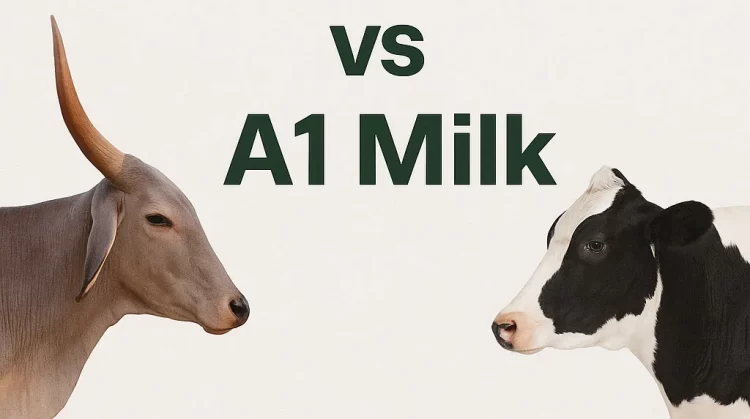
A1 दूध विरुद्ध A2 दूध
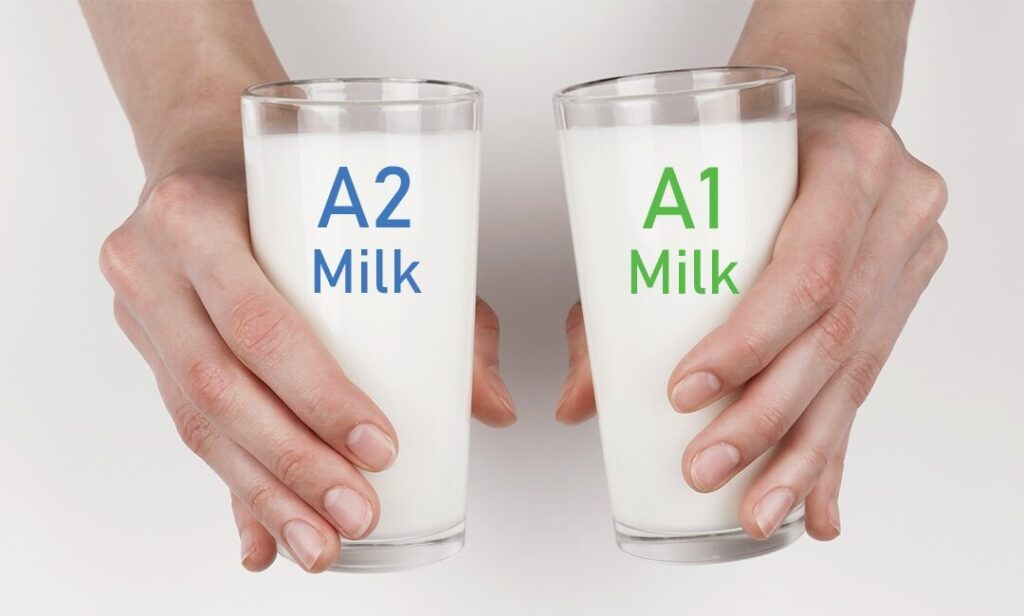
The Question That Is Everywhere Right Now
Walk into any organic store in India and you will see it. A2 milk. Often in fancy packaging. Almost always priced higher. And sometimes sold with big claims about being safer, healthier, and better for children.
But is any of that true? And what even is the difference between A1 and A2 milk?
सध्या सर्वत्र विचारला जाणारा प्रश्न

भारतातील कोणत्याही ऑरगॅनिक दुकानात जा आणि तुम्हाला ते दिसेल. ए२ दूध. अनेकदा आकर्षक पॅकेजिंगमध्ये. जवळजवळ नेहमीच जास्त किमतीत. आणि कधीकधी ते अधिक सुरक्षित, आरोग्यदायी आणि मुलांसाठी उत्तम असल्याच्या मोठ्या दाव्यांसह विकले जाते.
पण यातलं काही खरं आहे का? आणि ए१ आणि ए२ दुधामध्ये नेमका फरक तरी काय आहे?
It All Starts with One Protein
Milk contains a protein called beta-casein. It makes up about 30% of all the protein in cow’s milk.
This protein comes in two common forms: A1 and A2. The difference between them is tiny. Just one amino acid at position 67 of the protein chain.
In A1 milk, that position has an amino acid called histidine.
In A2 milk, it has proline instead.
That single swap changes how the protein gets digested in your gut. And that is where things get interesting.
हे सर्व एका प्रथिनापासून सुरू होते

दुधात बीटा-केसीन नावाचे प्रथिन असते. गाईच्या दुधातील एकूण प्रथिनांपैकी सुमारे ३०% प्रथिने बीटा-केसीन असतात.
हे प्रथिन दोन सामान्य प्रकारांमध्ये आढळते: A1 आणि A2. त्यांच्यातील फरक अगदीच सूक्ष्म आहे. प्रथिनांच्या साखळीतील ६७ व्या स्थानावरील फक्त एका अमिनो आम्लाचा.
A1 दुधात, त्या स्थानावर हिस्टिडीन नावाचे अमिनो आम्ल असते. A2 दुधात, त्याऐवजी प्रोलीन असते.
या एका बदलामुळे तुमच्या आतड्यांमध्ये प्रथिनांचे पचन कसे होते, यात बदल होतो. आणि इथूनच खरी गंमत सुरू होते.
The BCM-7 Story
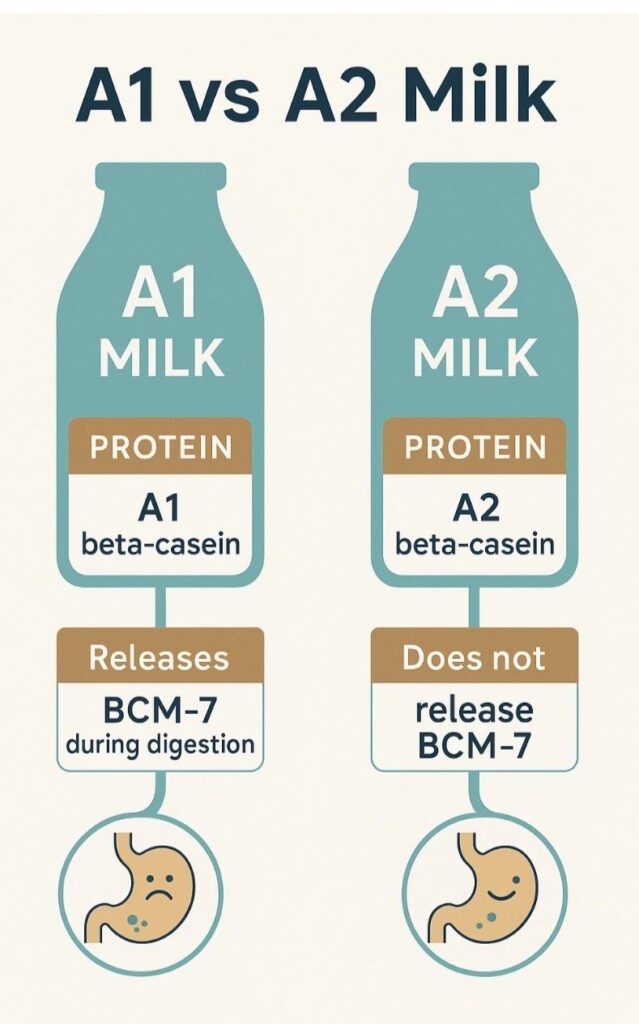
When you digest A1 milk, the digestive enzymes in your gut break the protein apart. Because of the histidine at position 67, this process releases a small peptide fragment called BCM-7, or beta-casomorphin-7.
BCM-7 behaves like a weak opioid in the body. It can slow down movement in the gut, affect inflammation, and interact with receptors in the gut lining and immune system.
When you digest A2 milk, the proline at position 67 blocks this cleavage. BCM-7 is not released.
That is the core difference. A1 milk produces BCM-7 during digestion. A2 milk does not.
बीसीएम-७ ची कहाणी

जेव्हा तुम्ही ए१ दूध पचवता, तेव्हा तुमच्या आतड्यातील पाचक एन्झाइम्स प्रथिनांचे विघटन करतात. ६७ व्या स्थानावरील हिस्टिडिनमुळे, या प्रक्रियेत बीसीएम-७ किंवा बीटा-कॅसोमॉर्फिन-७ नावाचा एक लहान पेप्टाइड तुकडा बाहेर पडतो.
बीसीएम-७ शरीरात एका कमकुवत ओपिओइडप्रमाणे कार्य करते. ते आतड्यातील हालचाल मंद करू शकते, दाह (सूज) प्रभावित करू शकते आणि आतड्याच्या अस्तरातील व रोगप्रतिकार प्रणालीतील रिसेप्टर्सशी संवाद साधू शकते.
जेव्हा तुम्ही ए२ दूध पचवता, तेव्हा ६७ व्या स्थानावरील प्रोलाइन हे विघटन रोखते. बीसीएम-७ बाहेर पडत नाही.
हाच मुख्य फरक आहे. ए१ दुधाच्या पचनादरम्यान बीसीएम-७ तयार होते. ए२ दुधामुळे होत नाही.
Which Cows Produce Which Milk?
This is where it gets very relevant for Indian parents.
Most foreign cow breeds like Holstein Friesian and Jersey, which produce the bulk of commercial milk in India, predominantly carry the A1 gene.
Indian desi breeds like Gir, Sahiwal, Tharparkar, Red Sindhi, and Rathi naturally carry the A2 gene and produce only A2 milk.
So the packet of commercial milk from your local dairy, which almost certainly comes from HF or Jersey cross cows, is predominantly A1 milk. The milk from your grandmother’s desi cow was almost certainly A2.
कोणत्या गायी कोणते दूध देतात?

भारतीय पालकांसाठी हा मुद्दा खूप महत्त्वाचा ठरतो.
होल्स्टाईन फ्रिशियन आणि जर्सी यांसारख्या बहुतेक परदेशी गायींच्या जाती, ज्या भारतात मोठ्या प्रमाणावर व्यावसायिक दूध देतात, त्यांच्यामध्ये प्रामुख्याने A1 जनुक असते.
गीर, साहिवाल, थारपारकर, रेड सिंधी आणि राठी यांसारख्या भारतीय देशी जातींमध्ये नैसर्गिकरित्या A2 जनुक असते आणि त्या फक्त A2 प्रकारचे दूध देतात.
त्यामुळे तुमच्या स्थानिक डेअरीमधील व्यावसायिक दुधाचे पाकीट, जे जवळजवळ निश्चितपणे HF किंवा जर्सी संकरित गायींपासून आलेले असते, ते प्रामुख्याने A1 प्रकारचे दूध असते. तुमच्या आजीच्या देशी गायीचे दूध मात्र जवळजवळ निश्चितपणे A2 प्रकारचे होते.
What Does the Research Actually Say?
Here is where we have to be honest about what is proven and what is still emerging.
On Digestion: Moderate Evidence in Favour of A2
A 2023 randomized controlled trial published in the journal Nutrients studied 387 toddlers aged 12 to 36 months. Half got growing-up milk containing only A2 beta-casein. Half got conventional milk with both A1 and A2.
Children on A2 milk had lower parent-reported constipation scores. In toddlers with mild gut discomfort, A2 milk improved overall digestive comfort within one week.
An earlier clinical trial with children showed that when consuming A1 milk, children had more digestive discomfort, softer stools, elevated BCM-7 in blood, higher inflammatory markers, and slightly slower cognitive response times on standardised tests. Switching to A2 reversed these findings.
A 2023 PMC review confirmed that A2 milk is more easily digestible than A1 for individuals with lactose sensitivity, because BCM-7 in A1 milk can further worsen gut inflammation and discomfort.
On Bloating and Gut Comfort: Reasonably Good Evidence
Many people who think they are lactose-intolerant are actually reacting to the A1 protein, not the lactose. The lactose content in A1 and A2 milk is identical.
BCM-7 slows gut motility, which means food moves more slowly through the intestine. This contributes to bloating, gas and abdominal discomfort.
Removing A1 protein by switching to A2 milk genuinely helps some people who had such symptoms.
On Bigger Claims: Be Cautious
You will often hear that A1 milk causes autism, type 1 diabetes, and heart disease. These are observational associations from population studies, not proven cause and effect.
The association between BCM-7 and these conditions exists in research papers, mostly in animal and in-vitro studies. It is mechanistically plausible but not yet proven definitively in large-scale human trials.
The honest scientific position in 2025 and 2026 is: A2 milk has good evidence for better digestive comfort, especially in children and people with gut sensitivity. The claims about autism and diabetes are not yet proven. Do not make major medical decisions based on those claims alone.
संशोधन नेमके काय सांगते?
येथे आपल्याला काय सिद्ध झाले आहे आणि काय अजूनही समोर येत आहे, याबद्दल प्रामाणिक राहावे लागेल.
पचनाबद्दल: A2 च्या बाजूने मध्यम पुरावे
'न्यूट्रिएंट्स' या जर्नलमध्ये २०२३ मध्ये प्रकाशित झालेल्या एका यादृच्छिक नियंत्रित चाचणीमध्ये १२ ते ३६ महिने वयोगटातील ३८७ लहान मुलांचा अभ्यास करण्यात आला. त्यापैकी निम्म्यांना फक्त A2 बीटा-केसीन असलेले 'ग्रोइंग-अप मिल्क' (वाढत्या मुलांसाठीचे दूध) देण्यात आले. तर निम्म्यांना A1 आणि A2 दोन्ही असलेले पारंपरिक दूध देण्यात आले.
A2 दूध पिणाऱ्या मुलांमध्ये पालकांनी नोंदवलेल्या बद्धकोष्ठतेचे प्रमाण कमी होते. आतड्यांसंबंधी सौम्य अस्वस्थता असलेल्या लहान मुलांमध्ये, A2 दुधामुळे एका आठवड्याच्या आत एकूण पचनाच्या त्रासात सुधारणा झाली.
मुलांवर केलेल्या एका पूर्वीच्या क्लिनिकल चाचणीत असे दिसून आले की, A1 दूध प्यायल्यावर मुलांना पचनाचा अधिक त्रास, मऊ शौच, रक्तातील BCM-7 ची वाढलेली पातळी, दाहकतेचे निर्देशक (inflammatory markers) वाढणे आणि प्रमाणित चाचण्यांमध्ये आकलनशक्तीला किंचित जास्त प्रतिसाद मिळणे असे अनुभव आले. A2 दुधाकडे वळल्यावर हे निष्कर्ष उलटले.
२०२३ च्या PMC च्या एका पुनरावलोकनाने पुष्टी केली आहे की, लॅक्टोज संवेदनशीलता असलेल्या व्यक्तींसाठी A1 दुधापेक्षा A2 दूध अधिक सहज पचते, कारण A1 दुधातील BCM-7 आतड्यांमधील दाह आणि अस्वस्थता आणखी वाढवू शकते.
पोट फुगणे आणि आतड्यांच्या आरामाबद्दल: बऱ्यापैकी चांगला पुरावा
अनेक लोक ज्यांना वाटते की ते लॅक्टोज-असहिष्णु आहेत, ते प्रत्यक्षात लॅक्टोजला नव्हे, तर A1 प्रथिनाला प्रतिक्रिया देत असतात. A1 आणि A2 दुधातील लॅक्टोजचे प्रमाण सारखेच असते.
BCM-7 आतड्यांची हालचाल मंद करते, म्हणजेच अन्न आतड्यांमधून अधिक हळू पुढे सरकते. यामुळे पोट फुगणे, गॅस आणि पोटात अस्वस्थता जाणवते.
ज्या लोकांना अशी लक्षणे होती, त्यांच्यापैकी काहींना A2 दुधाकडे वळून A1 प्रथिने काढून टाकल्याने खरोखरच मदत होते.
मोठ्या दाव्यांबद्दल: सावधगिरी बाळगा
तुम्ही अनेकदा ऐकाल की A1 दुधामुळे ऑटिझम, टाईप १ मधुमेह आणि हृदयरोग होतो. हे लोकसंख्येवरील अभ्यासातून मिळालेले निरीक्षणात्मक संबंध आहेत, सिद्ध झालेले कार्यकारणभाव नाहीत.
BCM-7 आणि या आजारांमधील संबंध संशोधन पत्रांमध्ये, विशेषतः प्राणी आणि इन-विट्रो अभ्यासांमध्ये अस्तित्वात आहे. हे यंत्रणेच्या दृष्टीने संभाव्य आहे, परंतु मोठ्या प्रमाणावरील मानवी चाचण्यांमध्ये अद्याप निश्चितपणे सिद्ध झालेले नाही.
२०२५ आणि २०२६ मधील खरी वैज्ञानिक भूमिका अशी आहे: A2 दुधामुळे पचनक्रिया अधिक सुलभ होते याचे ठोस पुरावे आहेत, विशेषतः मुलांमध्ये आणि ज्यांची आतडी संवेदनशील आहेत अशा लोकांमध्ये. ऑटिझम आणि मधुमेहाबद्दलचे दावे अद्याप सिद्ध झालेले नाहीत. केवळ त्या दाव्यांच्या आधारावर मोठे वैद्यकीय निर्णय घेऊ नका.
What This Means for Your Child
If Your Child Has No Milk-Related Complaints
If your child drinks regular milk with no bloating, no stomach ache, no constipation and no discomfort, there is no current scientific reason that demands you switch. Regular milk still provides excellent calcium, protein and vitamins.
If Your Child Gets Bloated, Gassy or Constipated After Milk
This is where A2 milk is genuinely worth trying. The 2023 toddler trial specifically found improved digestive comfort in children with mild gut symptoms. If your child tolerates dahi, paneer and chaas fine but gets a stomach ache after drinking plain milk, the A1 protein could be a factor.
For Babies Under 12 Months
Breast milk is always the first choice. Cow’s milk of any type is not recommended before 12 months.
After 12 months, if you are introducing cow’s milk, A2 milk from a verified desi breed source is a reasonable choice, especially if there is any family history of milk intolerance.
तुमच्या मुलासाठी याचा अर्थ काय

जर तुमच्या मुलाला दुधाशी संबंधित कोणतीही तक्रार नसेल तर
जर तुमचे मूल नियमित दूध प्यायल्यावर पोट फुगत नसेल, पोटदुखी होत नसेल, बद्धकोष्ठता होत नसेल आणि कोणताही त्रास होत नसेल, तर दूध बदलण्याचे सध्या कोणतेही वैज्ञानिक कारण नाही. नियमित दुधातून उत्तम कॅल्शियम, प्रथिने आणि जीवनसत्त्वे मिळतात.

जर दूध प्यायल्यानंतर तुमच्या मुलाचे पोट फुगत असेल, गॅस होत असेल किंवा बद्धकोष्ठता होत असेल तर
अशावेळी A2 दूध वापरून पाहणे खरोखरच फायदेशीर ठरते. २०२३ च्या लहान मुलांवरील चाचणीत विशेषतः आतड्यांसंबंधी सौम्य लक्षणे असलेल्या मुलांमध्ये पचनाच्या त्रासात सुधारणा झाल्याचे दिसून आले. जर तुमचे मूल दही, पनीर आणि ताक व्यवस्थित खात असेल पण साधे दूध प्यायल्यानंतर पोटदुखी होत असेल, तर A1 प्रथिने हे एक कारण असू शकते.

१२ महिन्यांपेक्षा कमी वयाच्या बाळांसाठी
आईचे दूध हा नेहमीच पहिला पर्याय असतो. १२ महिन्यांपूर्वी कोणत्याही प्रकारचे गाईचे दूध पिण्याची शिफारस केली जात नाही.
१२ महिन्यांनंतर, जर तुम्ही गाईचे दूध सुरू करत असाल, तर प्रमाणित देशी जातीच्या दुधापासून बनवलेले A2 दूध हा एक योग्य पर्याय आहे, विशेषतः जर कुटुंबात दूध न पचण्याचा इतिहास असेल.
The India Advantage
We are fortunate in India. Our traditional desi cow breeds like Gir and Sahiwal have always produced A2 milk naturally. This is the milk that Indian families drank for thousands of years before hybrid breeds became commercially dominant.
If you have access to verified milk from a desi breed, it is genuinely a good choice for children, not because of ancient wisdom but because modern science increasingly supports the digestive advantage.
Just make sure the milk is pasteurised. Raw milk from even the best desi cow can carry bacteria that cause serious infections in children. Always boil or choose pasteurised A2 milk.
भारताचा फायदा

भारतात आपण भाग्यवान आहोत. आपल्या गीर आणि साहिवालसारख्या पारंपरिक देशी गायींच्या जातींनी नेहमीच नैसर्गिकरित्या A2 दूध दिले आहे. संकरित जाती व्यावसायिकदृष्ट्या प्रभावी होण्यापूर्वी हजारो वर्षे भारतीय कुटुंबे हेच दूध पीत असत.
जर तुम्हाला देशी जातीचे प्रमाणित दूध मिळत असेल, तर ते मुलांसाठी खरोखरच एक चांगला पर्याय आहे; हे काही प्राचीन ज्ञानामुळे नाही, तर आधुनिक विज्ञान त्याच्या पचनाच्या फायद्याला अधिकाधिक दुजोरा देत असल्यामुळे आहे.
फक्त दूध पाश्चराइज्ड असल्याची खात्री करा. अगदी सर्वोत्तम देशी गायीच्या कच्च्या दुधातही असे जीवाणू असू शकतात, ज्यामुळे मुलांमध्ये गंभीर संसर्ग होऊ शकतो. नेहमी उकळलेले किंवा पाश्चराइज्ड A2 दूधच निवडा.
A1 and A2 milk differ by one amino acid. That difference causes A1 milk to release BCM-7 during digestion, which can slow the gut, increase inflammation and cause discomfort in sensitive individuals.
A2 milk does not release BCM-7, making it easier to digest.
For children who have no milk-related complaints, both types of milk are nutritionally equivalent. For children who regularly experience bloating, gas, constipation or tummy ache after milk, A2 milk is worth trying and the clinical evidence supports this switch.
India’s desi cows have been producing A2 milk all along. Science is just now catching up to what our grandparents already knew by experience.
A1 आणि A2 दुधामध्ये एका अमिनो ॲसिडचा फरक असतो. या फरकामुळे A1 दुधाच्या पचनादरम्यान BCM-7 स्रवते, ज्यामुळे आतड्यांची क्रिया मंदावते, दाह वाढतो आणि संवेदनशील व्यक्तींमध्ये अस्वस्थता निर्माण होते.
A2 दुधात BCM-7 स्रवत नाही, त्यामुळे ते पचायला सोपे जाते.
ज्या मुलांना दुधाशी संबंधित कोणतीही तक्रार नसते, त्यांच्यासाठी दोन्ही प्रकारचे दूध पौष्टिकतेच्या दृष्टीने समान आहे. ज्या मुलांना दूध प्यायल्यानंतर नियमितपणे पोट फुगणे, गॅस, बद्धकोष्ठता किंवा पोटदुखीचा त्रास होतो, त्यांच्यासाठी A2 दूध वापरून पाहण्यासारखे आहे आणि वैद्यकीय पुरावे या बदलाला दुजोरा देतात.
भारतातील देशी गायी पूर्वीपासूनच A2 दूध देत आल्या आहेत. आपल्या आजी-आजोबांना अनुभवाने जे आधीच माहीत होते, ते विज्ञान आता कुठे समजून घेत आहे.
About the Author
Dr. Suhas Sodal, MBBS, MD (Pediatrics), brings over 15 years of experience caring for children in Pimple Gurav, Pimpri, and surrounding areas.
He specializes in pediatric infectious diseases, childhood allergies and asthma, vaccines, and nutrition.
Dr. Sodal has led multiple clinical trials on vaccine safety and efficacy, ensuring evidence-based care.
His passion for pediatric nutrition drives innovative, child-friendly dietary guidance rooted in Indian traditions.
Families in Pimple Gurav, Pimple Saudagar, Rahatani, Wakad, Aundh, Dapodi, Sangvi, Bhosari, Pimpri, and Vallabh Nagar trust his expertise.
He practices at IRA Children’s Clinic in Pimple Gurav, offering personalized treatment plans for every child.
Dr. Sodal’s holistic approach blends modern medicine with practical nutritional advice for optimal growth.
His clinic is known for compassionate care, helping children thrive through preventive and curative services.
Parents seeking reliable pediatric advice can reach IRA Children’s Clinic at 7276012600.
Dr. Sodal remains dedicated to advancing child health and wellness in the Pune region.
लेखकाबद्दल

डॉ. सुहास सोडल, एमबीबीएस, एमडी (बालरोगशास्त्र) यांना पिंपळे गुरव, पिंपरी आणि आसपासच्या परिसरातील मुलांची काळजी घेण्याचा १५ वर्षांहून अधिक अनुभव आहे.
ते बालरोग संसर्गजन्य रोग, बालपणीच्या ऍलर्जी आणि दमा, लस आणि पोषण या विषयांमध्ये तज्ज्ञ आहेत.
डॉ. सोडल यांनी लसीची सुरक्षितता आणि परिणामकारकता यावर अनेक क्लिनिकल चाचण्यांचे नेतृत्व केले आहे, ज्यामुळे पुराव्यावर आधारित काळजी सुनिश्चित होते.
बालरोग पोषणाबद्दलची त्यांची आवड भारतीय परंपरांमध्ये रुजलेली नाविन्यपूर्ण, बाल-अनुकूल आहार मार्गदर्शन करते.
पिंपळे गुरव, पिंपळे सौदागर, रहाटणी, वाकड, औंध, दापोडी, सांगवी, भोसरी, पिंपरी आणि वल्लभ नगरमधील कुटुंबे त्यांच्या कौशल्यावर विश्वास ठेवतात.
ते पिंपळे गुरव येथील इरा चिल्ड्रन्स क्लिनिकमध्ये प्रॅक्टिस करतात, प्रत्येक मुलासाठी वैयक्तिकृत उपचार योजना देतात.
डॉ. सोडल यांचा समग्र दृष्टिकोन आधुनिक औषधांना इष्टतम वाढीसाठी व्यावहारिक पौष्टिक सल्ल्यासह एकत्रित करतो.
त्यांचे क्लिनिक दयाळू काळजीसाठी ओळखले जाते, प्रतिबंधात्मक आणि उपचारात्मक सेवांद्वारे मुलांना भरभराट करण्यास मदत करते.
विश्वसनीय बालरोग सल्ला मिळवणाऱ्या पालकांना इरा चिल्ड्रन्स क्लिनिकशी ७२७६०१२६०० या क्रमांकावर संपर्क साधता येईल.
डॉ. सोडल पुणे प्रदेशात बाल आरोग्य आणि निरोगीपणा वाढवण्यासाठी समर्पित आहेत.
Disclaimer:
काळजीपूर्वक लक्षात घ्या:









Leave a comment