
October 2, 2026
The Facts About Childhood Eczema: Managing Dry, Itchy Skin
मुलांमधील केसगळती: काय सामान्य आहे, काय नाही आणि तुम्ही घरी काय करू शकता
Every Parent Has Panicked About This
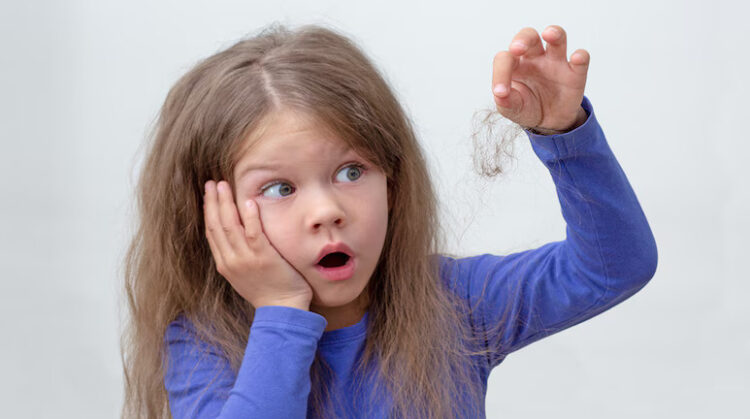
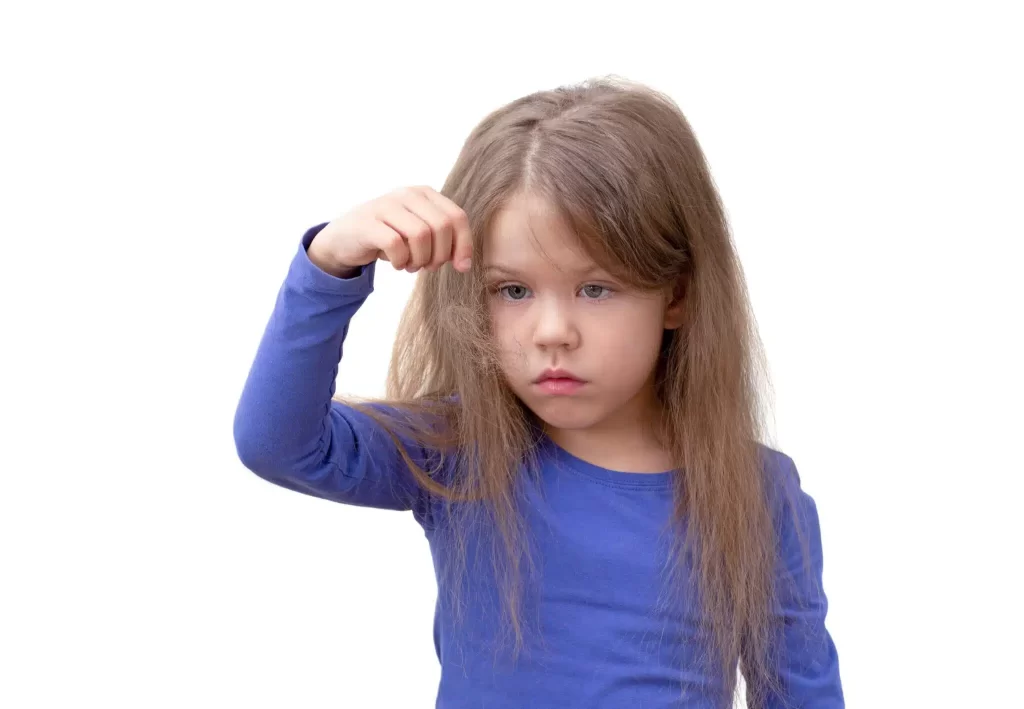
You find clumps of your child’s hair on the pillow. Or you notice a bald patch on their scalp during a head bath. Or their ponytail suddenly feels thinner.
Your heart sinks. You start Googling. You get worried.
Before you do anything else, take a breath. Hair fall in children is common, usually temporary, and very often completely treatable. But you do need to understand what is causing it, because different types of hair fall have completely different causes.
प्रत्येक पालकाला याबद्दल भीती वाटली आहे

तुम्हाला उशीवर तुमच्या मुलाच्या केसांचे पुंजके दिसतात. किंवा आंघोळ घालताना त्यांच्या डोक्यावर टक्कल पडल्याचे तुमच्या लक्षात येते. किंवा त्यांची पोनीटेल अचानक पातळ झाल्यासारखी वाटते.
तुमच्या काळजाचा ठोका चुकतो. तुम्ही गुगलवर शोधायला सुरुवात करता. तुम्हाला काळजी वाटू लागते.
दुसरं काहीही करण्यापूर्वी, एक दीर्घ श्वास घ्या. मुलांमध्ये केस गळणे ही एक सामान्य, सहसा तात्पुरती आणि बऱ्याचदा पूर्णपणे उपचार करण्यायोग्य समस्या आहे. परंतु, यामागे काय कारण आहे हे तुम्हाला समजून घेणे आवश्यक आहे, कारण वेगवेगळ्या प्रकारच्या केसगळतीची कारणे पूर्णपणे भिन्न असतात.
Type 1: Tinea Capitis (Scalp Ringworm)
This is the most common cause of hair loss in school-going children worldwide, accounting for up to 40% of childhood hair fall cases.
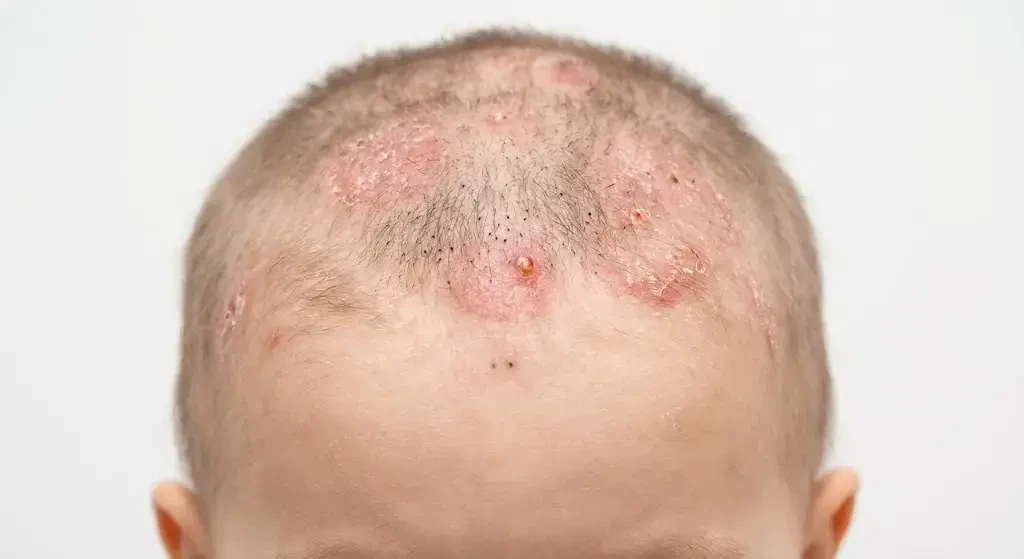
Tinea capitis is a fungal infection of the scalp. It has nothing to do with worms. The name comes from the round, ring-like patches it creates.
What to look for:
• Round scaly patches where hair has broken off at or near the scalp
• Itching, sometimes intense
• Small black dots where hair has snapped
• In some cases, painful pus-filled swellings called kerion
It is extremely common in Indian children aged 3 to 14 and spreads easily through shared combs, towels, hats and pillows.
Important: Do not use antifungal creams or shampoos and expect them to cure tinea capitis. The fungus lives deep inside the hair shaft and only oral antifungal medication works. Treatment can take 6 weeks to 3 months.
प्रकार १: टिनिया कॅपिटिस (टाळूचा गजकर्ण)

जगभरातील शालेय मुलांमध्ये केस गळण्याचे हे सर्वात सामान्य कारण आहे, जे लहान मुलांमधील केस गळण्याच्या प्रकरणांपैकी ४०% पर्यंत असते.
टिनिया कॅपिटिस हा टाळूचा एक बुरशीजन्य संसर्ग आहे. याचा जंतूंशी काहीही संबंध नाही. यामुळे तयार होणाऱ्या गोल, अंगठीसारख्या चट्टेांवरून हे नाव पडले आहे.

काय पाहावे:
• टाळूवर किंवा टाळूजवळ केस तुटल्यामुळे तयार झालेले गोल, खवलेदार चट्टे
• खाज सुटणे, कधीकधी तीव्र
• केस तुटल्यामुळे तयार झालेले लहान काळे ठिपके
• काही प्रकरणांमध्ये, केरिऑन नावाच्या वेदनादायक, पू भरलेल्या गाठी
हा आजार ३ ते १४ वयोगटातील भारतीय मुलांमध्ये अत्यंत सामान्य आहे आणि तो सामायिक कंगवे, टॉवेल, टोप्या आणि उशांद्वारे सहज पसरतो.

महत्त्वाचे: बुरशीविरोधी क्रीम किंवा शॅम्पू वापरून टिनिया कॅपिटिस बरा होईल अशी अपेक्षा करू नका. ही बुरशी केसांच्या मुळाशी खोलवर राहते आणि केवळ तोंडावाटे घ्यायची बुरशीविरोधी औषधेच प्रभावी ठरतात. उपचारांना ६ आठवडे ते ३ महिने लागू शकतात.
Type 2: Alopecia Areata
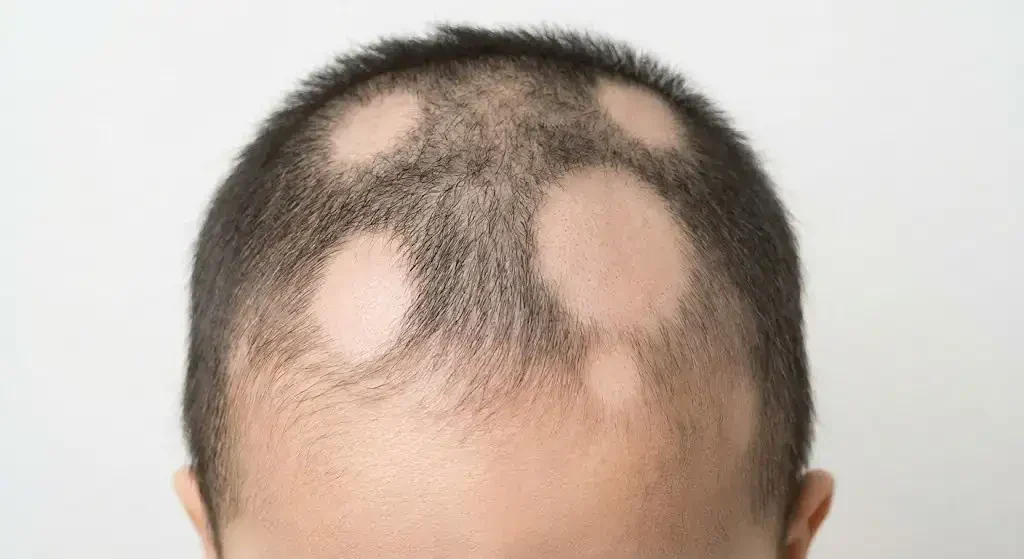
This one causes round, smooth, clearly defined bald patches on the scalp.
Alopecia areata is an autoimmune condition where the body’s immune system mistakenly attacks its own hair follicles. The hair falls out in patches. The scalp underneath looks completely normal, no scales, no redness, no itching.
It is the third most common skin condition seen in children at dermatology clinics.
An Indian study from Chandigarh found that 23.9% of all alopecia areata cases were children under 16. Girls are affected slightly more than boys.
The good news is that in most children with mild disease, hair regrows on its own within a year without any treatment. But it needs proper diagnosis. Do not assume it is ringworm because the patches look similar to a non-expert eye.
प्रकार २: अलोपेसिया एरियाटा

यामुळे टाळूवर गोलाकार, गुळगुळीत आणि स्पष्टपणे दिसणारे टक्कल पडलेले ठिपके येतात.
अलोपेसिया एरियाटा ही एक स्वयंप्रतिरोधक (ऑटोइम्यून) स्थिती आहे, ज्यामध्ये शरीराची रोगप्रतिकार प्रणाली चुकून स्वतःच्याच केसांच्या मुळांवर हल्ला करते. केस ठिगळांच्या स्वरूपात गळून पडतात. त्याखालील टाळू पूर्णपणे सामान्य दिसते, त्यावर खवले नसतात, लालसरपणा नसतो किंवा खाजही नसते.

त्वचारोग चिकित्सालयांमध्ये मुलांमध्ये आढळणारा हा तिसरा सर्वात सामान्य त्वचेचा आजार आहे.
चंदीगडमधील एका भारतीय अभ्यासात असे आढळून आले की, अलोपेसिया एरियाटाच्या एकूण प्रकरणांपैकी २३.९% प्रकरणे १६ वर्षांखालील मुलांची होती. मुलांपेक्षा मुलींना याचा त्रास किंचित जास्त होतो.

चांगली बातमी ही आहे की, सौम्य आजार असलेल्या बहुतेक मुलांमध्ये, कोणत्याही उपचारांशिवाय एका वर्षाच्या आत केस आपोआप पुन्हा वाढतात. परंतु यासाठी योग्य निदानाची आवश्यकता असते. हे गजकर्ण आहे असे समजू नका, कारण अननुभवी व्यक्तीला हे ठिपके सारखे दिसतात.
Type 3: Telogen Effluvium (Hair Fall After Illness)
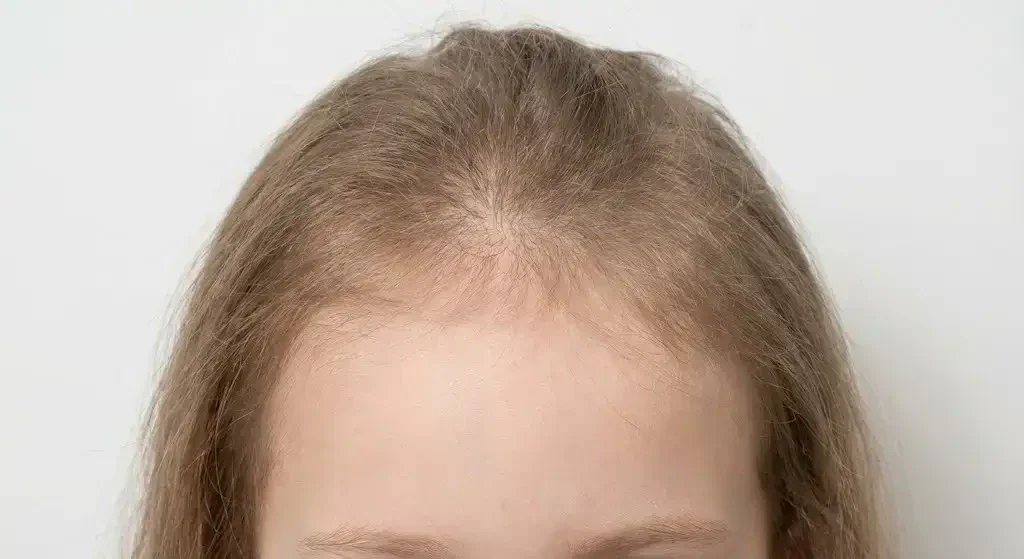
This is the type of hair fall that parents notice 6 to 10 weeks after a child has had a high fever, dengue, viral illness, surgery or a significant emotional shock.
During the illness, many hair follicles suddenly shift into the resting phase. A couple of months later, they all shed at once. This looks alarming but it is a predictable biological response to physical stress.
The hair feels like it is falling out in handfuls. But the scalp looks perfectly normal with no patches, no scales, no redness.
It almost always resolves completely in 3 to 6 months once the trigger is removed.
After dengue or COVID or typhoid, parents often panic about hair fall. This is why. And the reassurance is the same every time: it will come back.
प्रकार ३: टेलोजेन इफ्लुव्हियम (आजारानंतर केस गळणे)

मुलाला खूप ताप, डेंग्यू, विषाणूजन्य आजार, शस्त्रक्रिया किंवा मोठा भावनिक धक्का बसल्यानंतर ६ ते १० आठवड्यांनी पालकांच्या लक्षात येणारा हा केस गळण्याचा प्रकार आहे.

आजारादरम्यान, केसांची अनेक मुळे (फॉलिकल्स) अचानक विश्रांतीच्या अवस्थेत जातात. काही महिन्यांनंतर, ती सर्व एकाच वेळी गळून पडतात. हे भीतीदायक वाटू शकते, परंतु शारीरिक ताणाला दिलेला हा एक अपेक्षित जैविक प्रतिसाद आहे.
केस मूठभर गळत असल्यासारखे वाटते. परंतु टाळू पूर्णपणे सामान्य दिसते, त्यावर कोणतेही ठिपके, खवले किंवा लालसरपणा नसतो.

एकदा कारणीभूत घटक दूर झाल्यावर, ही समस्या ३ ते ६ महिन्यांत जवळजवळ नेहमीच पूर्णपणे बरी होते.
डेंग्यू, कोविड किंवा टायफॉइडनंतर, पालक अनेकदा केस गळण्याबद्दल घाबरतात. याचे कारण हे आहे. आणि प्रत्येक वेळी एकच दिलासा दिला जातो: केस परत येतील.
Type 4: Traction Alopecia (Tight Hairstyles)
This is the type that is completely preventable and extremely common in Indian girls.
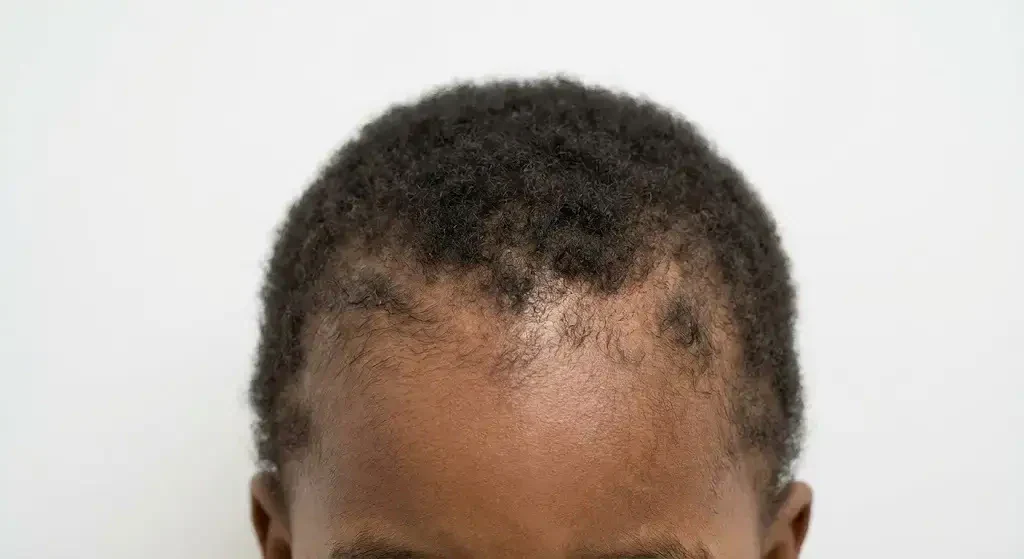
Traction alopecia happens when hair is pulled tightly every day, through tight ponytails, high buns, tight braids or hair accessories that constantly tug on the hairline.
Children’s scalp skin is thinner and more sensitive than adult skin, making their follicles more vulnerable to repeated tension. The damage builds slowly and silently. By the time parents notice thinning at the temples or a receding hairline, months of follicle damage have already happened.
The AAD (American Academy of Dermatologist) confirms that tight cornrows, braids, ponytails and buns are all linked to traction alopecia when worn repeatedly.
If caught early and tight styling is stopped, the hair grows back fully. If allowed to continue for years, the follicle can scar permanently.
प्रकार ४: ट्रॅक्शन अलोपेसिया (घट्ट केशरचना)

हा एक असा प्रकार आहे जो पूर्णपणे टाळता येतो आणि भारतीय मुलींमध्ये अत्यंत सामान्य आहे.
जेव्हा घट्ट पोनीटेल, उंच अंबाडा, घट्ट वेण्या किंवा केसांच्या अशा ॲक्सेसरीजमुळे केस रोज घट्ट ओढले जातात, ज्यामुळे केसांच्या मुळांवर सतत ताण येतो, तेव्हा ट्रॅक्शन अलोपेसिया होतो.

लहान मुलांची टाळूची त्वचा प्रौढांच्या त्वचेपेक्षा पातळ आणि अधिक संवेदनशील असते, ज्यामुळे त्यांचे केसांचे मूळ (फॉलिकल्स) वारंवार येणाऱ्या ताणाला अधिक बळी पडतात. हे नुकसान हळूहळू आणि नकळतपणे वाढत जाते. जेव्हा पालकांच्या लक्षात येते की कपाळाच्या बाजूला केस विरळ झाले आहेत किंवा केसांची रेषा मागे सरकत आहे, तोपर्यंत केसांच्या मुळांचे कित्येक महिन्यांचे नुकसान झालेले असते.

एएडी (अमेरिकन ॲकॅडमी ऑफ डर्मेटोलॉजिस्ट) पुष्टी करते की घट्ट कॉर्नरो, वेण्या, पोनीटेल आणि अंबाडा या सर्वांचा वारंवार वापर केल्यास ट्रॅक्शन अलोपेसियाशी संबंध आहे.
जर हे लवकर लक्षात आले आणि घट्ट केशरचना करणे थांबवले, तर केस पूर्णपणे परत वाढतात. जर हे वर्षानुवर्षे चालू ठेवले, तर केसांच्या मुळांवर कायमस्वरूपी व्रण (डाग) येऊ शकतो.
Type 5: Trichotillomania (Hair Pulling Habit)
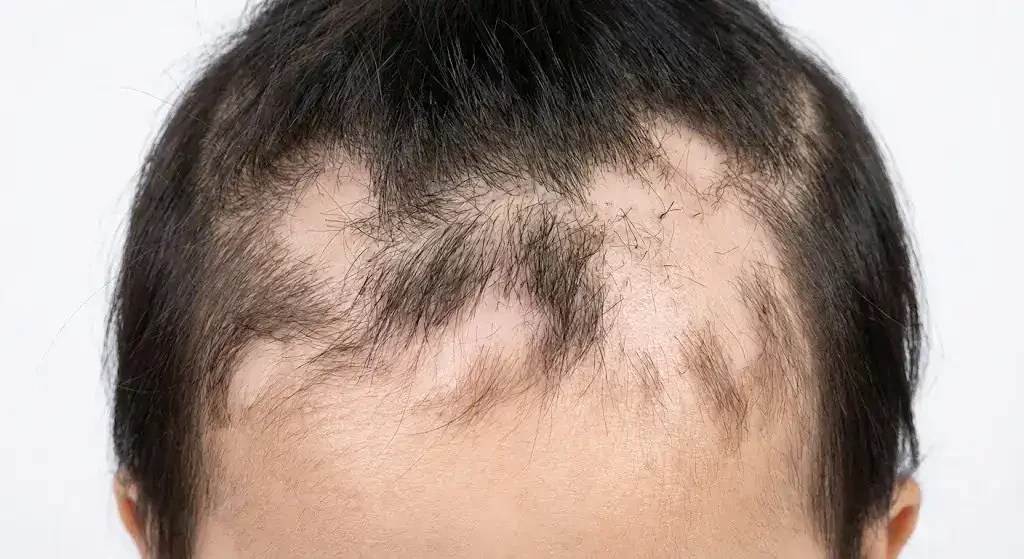
Some children pull their own hair out, often unconsciously. It can start as a nervous habit, a response to anxiety or stress, or simply a self-soothing behaviour in toddlers.
The patches of hair loss look irregular and patchy, not round and clean like alopecia areata. On close inspection you may see hair of different lengths at the edges of the patch.
This needs gentle attention, not punishment. It is often a sign that the child is anxious or overwhelmed. Most toddlers outgrow it. In older children, if it is persistent, a pediatrician or child psychologist can help.
प्रकार ५: ट्रायकोटिलोमॅनिया (केस ओढण्याची सवय)
काही मुले, अनेकदा नकळतपणे, स्वतःचे केस उपटून काढतात. ही सवय चिंताग्रस्ततेमुळे, तणावाला प्रतिसाद म्हणून, किंवा लहान मुलांमध्ये स्वतःला शांत करण्यासाठी सुरू होऊ शकते.
केस गळण्याचे ठिपके अॅलोपेशिया एरियाटाप्रमाणे गोलाकार आणि स्वच्छ नसून, अनियमित आणि ठिपक्यांसारखे दिसतात. जवळून तपासल्यास, ठिपक्यांच्या कडांवर वेगवेगळ्या लांबीचे केस दिसू शकतात.
याकडे शिक्षेऐवजी सौम्यपणे लक्ष देणे आवश्यक आहे. हे अनेकदा मूल चिंताग्रस्त किंवा गोंधळलेले असल्याचे लक्षण असते. बहुतेक लहान मुले या सवयीतून बाहेर पडतात. मोठ्या मुलांमध्ये, जर ही सवय दीर्घकाळ टिकून राहिली, तर बालरोगतज्ञ किंवा बाल मानसशास्त्रज्ञ मदत करू शकतात.
Type 6: Nutritional Causes
Deficiencies in iron, zinc, biotin and protein can all contribute to hair fall in children.
Iron deficiency is particularly relevant in India where it is extremely common, especially in young children and adolescent girls. Hair follicles are highly sensitive to iron levels because they have high metabolic needs.
Excess vitamin A supplementation can also paradoxically cause hair loss, so be careful about giving children vitamin supplements without medical guidance.
प्रकार ६: पोषणविषयक कारणे

लोह, जस्त, बायोटिन आणि प्रथिने यांच्या कमतरतेमुळे मुलांमध्ये केसगळती होऊ शकते.
भारतात लोहाची कमतरता विशेषतः गंभीर आहे, जिथे ती लहान मुलांमध्ये आणि किशोरवयीन मुलींमध्ये अत्यंत सामान्य आहे. केसांची मुळे लोहाच्या पातळीसाठी अत्यंत संवेदनशील असतात कारण त्यांच्या चयापचयाच्या गरजा जास्त असतात.
व्हिटॅमिन ए चे अतिरिक्त पूरक सेवन केल्याने देखील विरोधाभासाने केसगळती होऊ शकते, म्हणून वैद्यकीय सल्ल्याशिवाय मुलांना व्हिटॅमिन पूरक देताना काळजी घ्या.
What You Can Do at Home
Keep Hairstyles Loose
This is the single most actionable thing for most Indian families.
Avoid tight ponytails, tight braids and high buns for daily school wear. Opt for loose plaits, low ponytails or open hair.
Never send a child to school with a hairstyle that causes visible scalp tension or leaves marks on the hairline when removed.
Do Not Share Hair Tools
Combs, hair bands, towels, helmets and caps are all routes for fungal infections to spread between children.
Every child in the family should have their own comb. Wash hair accessories regularly.
Oil Gently, Not Aggressively
Oiling is a traditional Indian practice and there is nothing wrong with it when done gently.
The problem is aggressive oiling and vigorous scalp massage in children who already have fragile hair. Rub gently in circular motions. Never tug or pull during detangling.
Use a wide-toothed comb on wet hair. Start from the tips and work upward to avoid breakage.
Feed the Hair
Include these in your child’s daily meals:
• Iron-rich foods: spinach, dark green leafy vegetables, jaggery, ragi, eggs, chicken
• Protein: dals, eggs, milk, paneer, fish
• Zinc: pumpkin seeds, sesame seeds, whole grains
• Vitamin C with iron sources to improve absorption: lemon, amla, guava
Do not give biotin or zinc supplements without testing. Over-supplementation causes more harm than deficiency in children.
Manage Stress and Illness Recovery
If your child has just recovered from a significant illness, expect some hair fall in the weeks that follow and do not panic. Support recovery with good nutrition, good sleep and emotional reassurance.
Watch for signs of anxiety or emotional stress in older children. Persistent stress is a genuine trigger for hair loss.
तुम्ही घरी काय करू शकता
केसांची रचना मोकळी ठेवा
बहुतेक भारतीय कुटुंबांसाठी ही सर्वात महत्त्वाची गोष्ट आहे.
शाळेत जाताना रोजच्या वापरासाठी घट्ट पोनीटेल, घट्ट वेण्या आणि उंच अंबाडा घालणे टाळा. त्याऐवजी मोकळ्या वेण्या, कमी उंचीची पोनीटेल किंवा मोकळे केस ठेवा.
अशी केशरचना करून मुलाला शाळेत कधीही पाठवू नका, ज्यामुळे टाळूवर ताण आल्याचे दिसेल किंवा केस काढल्यावर केसांच्या रेषेवर खुणा राहतील.
केसांची साधने एकमेकांसोबत वापरू नका
फणी, हेअर बँड, टॉवेल, हेल्मेट आणि टोप्या या सर्वांमुळे मुलांमध्ये बुरशीजन्य संसर्ग पसरण्याचा धोका असतो.
घरातील प्रत्येक मुलाकडे स्वतःचा फणी असावा. केसांची साधने नियमितपणे धुवा.
तेल हळुवारपणे लावा, जास्त प्रमाणात लावू नका
तेल लावणे ही एक पारंपरिक भारतीय प्रथा आहे आणि हळुवारपणे लावल्यास त्यात काहीही चुकीचे नाही.
समस्या ही आहे की ज्या मुलांचे केस आधीच नाजूक असतात, त्यांना जास्त प्रमाणात तेल लावणे आणि टाळूची जोरात मालिश करणे. गोलाकार गतीने हळुवारपणे चोळा. केस विंचरताना कधीही ओढू नका किंवा खेचू नका.
ओल्या केसांवर रुंद दातांचा फणी वापरा. केस तुटणे टाळण्यासाठी केसांच्या टोकांपासून सुरुवात करून वरच्या दिशेने लावा.
केसांचे पोषण करा
तुमच्या मुलाच्या रोजच्या जेवणात यांचा समावेश करा:
• लोहयुक्त पदार्थ: पालक, गडद हिरव्या पालेभाज्या, गूळ, नाचणी, अंडी, चिकन
• प्रथिने: डाळी, अंडी, दूध, पनीर, मासे
• झिंक: भोपळ्याच्या बिया, तीळ, संपूर्ण धान्य
• शोषण सुधारण्यासाठी लोहाच्या स्रोतांसोबत व्हिटॅमिन सी: लिंबू, आवळा, पेरू
चाचणी केल्याशिवाय बायोटिन किंवा झिंकची पूरक औषधे देऊ नका. मुलांमध्ये कमतरतेपेक्षा जास्त पूरक औषधे दिल्याने अधिक नुकसान होते.
तणाव आणि आजारातून बरे होण्याचे व्यवस्थापन करा
जर तुमचे मूल नुकतेच एखाद्या मोठ्या आजारातून बरे झाले असेल, तर पुढील काही आठवड्यांत केस गळण्याची शक्यता असते आणि घाबरू नका. चांगला आहार, चांगली झोप आणि भावनिक आधार देऊन बरे होण्यास मदत करा.
मोठ्या मुलांमध्ये चिंता किंवा भावनिक तणावाची चिन्हे दिसल्यास लक्ष ठेवा. सततचा तणाव हे केस गळण्याचे एक खरे कारण आहे.
The type of hair fall matters enormously because the treatment is completely different for each. A fungal infection needs antifungals. An autoimmune condition needs dermatology input. A nutritional deficiency needs specific supplementation. Getting the right diagnosis early saves months of unnecessary worry and delayed treatment.
Most causes of hair fall in children are fully reversible. Catch it early, identify the cause, and act on it. That is all it takes.
केस गळण्याचा प्रकार अत्यंत महत्त्वाचा असतो, कारण प्रत्येक प्रकारासाठी उपचार पूर्णपणे वेगळे असतात. बुरशीजन्य संसर्गासाठी बुरशीनाशक औषधांची गरज असते. स्वयंप्रतिरोधक (ऑटोइम्यून) स्थितीसाठी त्वचारोग तज्ञांचा सल्ला आवश्यक असतो. पौष्टिकतेच्या कमतरतेसाठी विशिष्ट पूरक आहाराची गरज असते. लवकर योग्य निदान केल्याने महिन्यांची अनावश्यक चिंता आणि उपचारांना होणारा विलंब टळतो.
मुलांमधील केस गळण्याची बहुतेक कारणे पूर्णपणे नियंत्रणात आणता येतात. ते लवकर ओळखा, कारण शोधा आणि त्यावर उपाययोजना करा. यासाठी फक्त एवढेच पुरेसे आहे.
About the Author
Dr. Suhas Sodal, MBBS, MD (Pediatrics), brings over 15 years of experience caring for children in Pimple Gurav, Pimpri, and surrounding areas.
He specializes in pediatric infectious diseases, childhood allergies and asthma, vaccines, and nutrition.
Dr. Sodal has led multiple clinical trials on vaccine safety and efficacy, ensuring evidence-based care.
His passion for pediatric nutrition drives innovative, child-friendly dietary guidance rooted in Indian traditions.
Families in Pimple Gurav, Pimple Saudagar, Rahatani, Wakad, Aundh, Dapodi, Sangvi, Bhosari, Pimpri, and Vallabh Nagar trust his expertise.
He practices at IRA Children’s Clinic in Pimple Gurav, offering personalized treatment plans for every child.
Dr. Sodal’s holistic approach blends modern medicine with practical nutritional advice for optimal growth.
His clinic is known for compassionate care, helping children thrive through preventive and curative services.
Parents seeking reliable pediatric advice can reach IRA Children’s Clinic at 7276012600.
Dr. Sodal remains dedicated to advancing child health and wellness in the Pune region.
लेखकाबद्दल

डॉ. सुहास सोडल, एमबीबीएस, एमडी (बालरोगशास्त्र) यांना पिंपळे गुरव, पिंपरी आणि आसपासच्या परिसरातील मुलांची काळजी घेण्याचा १५ वर्षांहून अधिक अनुभव आहे.
ते बालरोग संसर्गजन्य रोग, बालपणीच्या ऍलर्जी आणि दमा, लस आणि पोषण या विषयांमध्ये तज्ज्ञ आहेत.
डॉ. सोडल यांनी लसीची सुरक्षितता आणि परिणामकारकता यावर अनेक क्लिनिकल चाचण्यांचे नेतृत्व केले आहे, ज्यामुळे पुराव्यावर आधारित काळजी सुनिश्चित होते.
बालरोग पोषणाबद्दलची त्यांची आवड भारतीय परंपरांमध्ये रुजलेली नाविन्यपूर्ण, बाल-अनुकूल आहार मार्गदर्शन करते.
पिंपळे गुरव, पिंपळे सौदागर, रहाटणी, वाकड, औंध, दापोडी, सांगवी, भोसरी, पिंपरी आणि वल्लभ नगरमधील कुटुंबे त्यांच्या कौशल्यावर विश्वास ठेवतात.
ते पिंपळे गुरव येथील इरा चिल्ड्रन्स क्लिनिकमध्ये प्रॅक्टिस करतात, प्रत्येक मुलासाठी वैयक्तिकृत उपचार योजना देतात.
डॉ. सोडल यांचा समग्र दृष्टिकोन आधुनिक औषधांना इष्टतम वाढीसाठी व्यावहारिक पौष्टिक सल्ल्यासह एकत्रित करतो.
त्यांचे क्लिनिक दयाळू काळजीसाठी ओळखले जाते, प्रतिबंधात्मक आणि उपचारात्मक सेवांद्वारे मुलांना भरभराट करण्यास मदत करते.
विश्वसनीय बालरोग सल्ला मिळवणाऱ्या पालकांना इरा चिल्ड्रन्स क्लिनिकशी ७२७६०१२६०० या क्रमांकावर संपर्क साधता येईल.
डॉ. सोडल पुणे प्रदेशात बाल आरोग्य आणि निरोगीपणा वाढवण्यासाठी समर्पित आहेत.
Disclaimer:
काळजीपूर्वक लक्षात घ्या:



Leave a comment