
October 2, 2026
The Facts About Childhood Eczema: Managing Dry, Itchy Skin
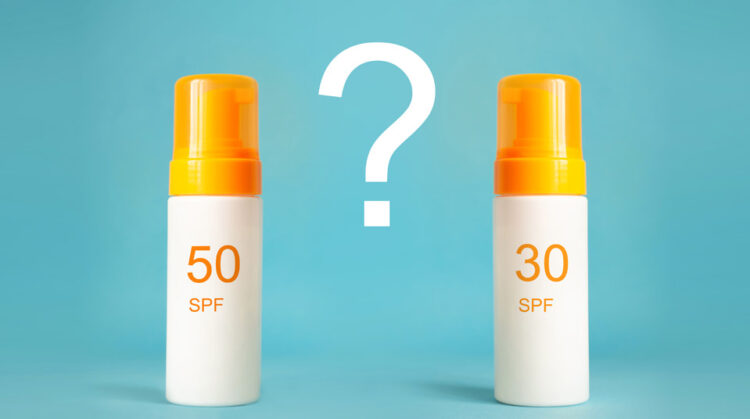
तुमच्या मुलासाठी सनस्क्रीन SPF 30 की SPF 50?
The Question Every Parent Asks in Summer
You are standing in a medical store, squinting at two sunscreen bottles. One says SPF 30. The other says SPF 50. The SPF 50 costs more. You assume it must be better for your child.
But is it really?
The answer is more interesting than a simple yes or no.
उन्हाळ्यात प्रत्येक पालकाला पडणारा प्रश्न

तुम्ही एका मेडिकल स्टोअरमध्ये उभे आहात आणि सनस्क्रीनच्या दोन बाटल्यांकडे डोळे बारीक करून पाहत आहात. एकावर SPF 30 लिहिले आहे, तर दुसऱ्यावर SPF 50. SPF 50 ची किंमत जास्त आहे. तुम्ही गृहीत धरता की ते तुमच्या मुलासाठी अधिक चांगले असेल.
पण ते खरंच तसं आहे का?
याचे उत्तर केवळ हो किंवा नाही इतके सोपे नाही, तर ते अधिक रंजक आहे.
What SPF Actually Means
SPF stands for Sun Protection Factor. It measures how well a sunscreen protects against UVB rays, the ones that cause sunburn and contribute to skin cancer over time.
Here are the real numbers:
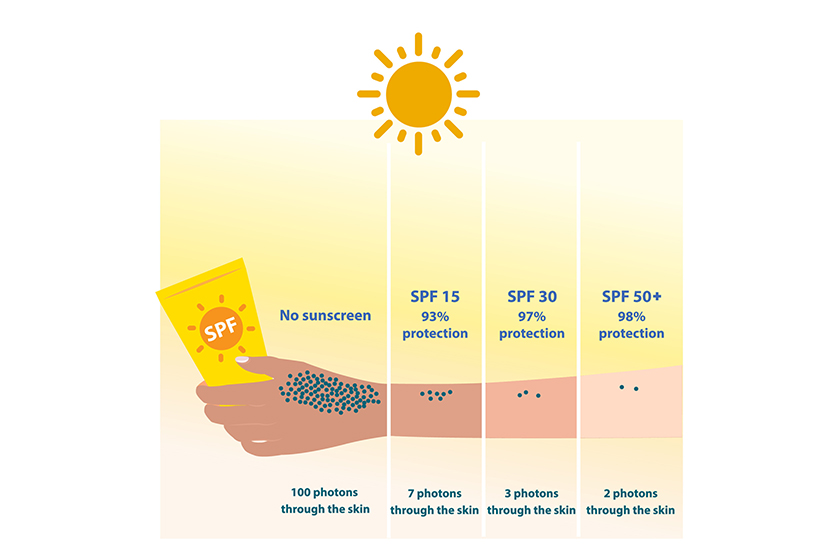
• SPF 30 blocks about 97% of UVB rays
• SPF 50 blocks about 98% of UVB rays
Yes. That is a difference of just 1%.
And yet that 1% does matter in one specific situation. When parents apply less sunscreen than needed, which most of us do, SPF 50 provides a slightly better safety buffer because even under-applied, it protects a little more.
Think of it this way. SPF 30 allows about 3% of UVB rays through. SPF 50 allows about 2%. That means SPF 30 lets through 50% more UV radiation than SPF 50. It sounds alarming stated that way, but in real life practice, correct application and reapplication matter far more than chasing a higher number.
SPF चा खरा अर्थ काय आहे

SPF म्हणजे सन प्रोटेक्शन फॅक्टर (Sun Protection Factor). सनस्क्रीन UVB किरणांपासून किती चांगल्या प्रकारे संरक्षण करते, हे यावरून मोजले जाते. याच किरणांमुळे त्वचेला सनबर्न होतो आणि कालांतराने त्वचेचा कर्करोग होण्याची शक्यता वाढते.
खरे आकडे खालीलप्रमाणे आहेत:
• SPF 30 सुमारे 97% UVB किरणे रोखते
• SPF 50 सुमारे 98% UVB किरणे रोखते
होय. हा फक्त 1% चा फरक आहे.
आणि तरीही, एका विशिष्ट परिस्थितीत हा 1% फरक महत्त्वाचा ठरतो. जेव्हा पालक गरजेपेक्षा कमी सनस्क्रीन लावतात, जे आपल्यापैकी बहुतेक जण करतात, तेव्हा SPF 50 थोडे अधिक चांगले संरक्षण देते, कारण कमी लावले तरी ते थोडे जास्त संरक्षण करते.
याचा असा विचार करा. SPF 30 सुमारे 3% UVB किरणे त्वचेतून जाऊ देते. SPF 50 सुमारे 2% किरणे जाऊ देते. याचा अर्थ असा की, SPF 30 हा SPF 50 पेक्षा ५०% जास्त अतिनील किरणे आत येऊ देतो. हे ऐकायला भीतीदायक वाटत असले तरी, प्रत्यक्षात जास्त आकडा मिळवण्यापेक्षा सनस्क्रीनचा योग्य वापर आणि पुनःवापर अधिक महत्त्वाचा ठरतो.
What This Means for Indian Children
Indian children have a natural advantage. Brown skin contains more melanin, which provides a natural SPF of about 4 to 6. This does not mean they don’t need sunscreen. They absolutely do.
Indian skin does not burn as visibly as fair skin, but it still accumulates UV damage over time. This damage shows up as hyperpigmentation, dark patches and early skin ageing. It also carries a long-term skin cancer risk that increases with childhood UV exposure.
India’s UV index is high year round. Pune, Mumbai, Delhi, Chennai: all experience intense UV radiation. Even on cloudy days, UV rays penetrate cloud cover.
Regular sunscreen use during childhood significantly reduces the lifetime risk of skin cancer. This is not something we should be casual about.
भारतीय मुलांसाठी याचा अर्थ काय

भारतीय मुलांना एक नैसर्गिक फायदा आहे. त्यांच्या सावळ्या त्वचेत मेलॅनिनचे प्रमाण जास्त असते, ज्यामुळे नैसर्गिकरित्या सुमारे ४ ते ६ एसपीएफ (SPF) मिळतो. याचा अर्थ असा नाही की त्यांना सनस्क्रीनची गरज नाही. त्यांना त्याची नितांत गरज आहे.
भारतीय त्वचा गोऱ्या त्वचेइतकी स्पष्टपणे भाजत नाही, पण तरीही कालांतराने तिच्यात अतिनील किरणांमुळे नुकसान जमा होते. हे नुकसान हायपरपिगमेंटेशन, काळे डाग आणि अकाली वृद्धत्वाच्या रूपात दिसून येते. यामुळे त्वचेच्या कर्करोगाचा दीर्घकालीन धोकाही निर्माण होतो, जो लहानपणी अतिनील किरणांच्या संपर्कात आल्याने वाढतो.
भारताचा अतिनील निर्देशांक (UV index) वर्षभर उच्च असतो. पुणे, मुंबई, दिल्ली, चेन्नई: या सर्व शहरांमध्ये तीव्र अतिनील किरणोत्सर्ग असतो. ढगाळ दिवसांमध्येही अतिनील किरणे ढगांच्या आवरणातून आत शिरतात.
लहानपणी नियमितपणे सनस्क्रीन वापरल्याने आयुष्यभराचा त्वचेच्या कर्करोगाचा धोका लक्षणीयरीत्या कमी होतो. याबाबतीत आपण निष्काळजी राहू नये.
So Which Should You Choose: SPF 30 or SPF 50?
For most children in everyday Indian outdoor conditions, SPF 30 applied correctly is sufficient.
For children who spend extended time outdoors in peak afternoon sun, play outdoor sports, swim regularly or have fair or very sensitive skin, SPF 50 is the better choice.
The AAD recommends SPF 30 as the minimum for all children regardless of skin tone. The Society for Pediatric Dermatology also recommends SPF 30 or higher.
The important message: choose between SPF 30 and SPF 50 based on your child’s activity level and time outdoors. Do not choose SPF 100 thinking it provides twice the protection of SPF 50. It does not work that way and experts actually advise against going beyond SPF 50 because the marginal benefit disappears while the chemical load increases.
तर तुम्ही काय निवडावे: SPF 30 की SPF 50?

भारतातील रोजच्या घराबाहेरील परिस्थितीत बहुतेक मुलांसाठी, योग्यरित्या लावलेला SPF 30 पुरेसा असतो.
जी मुले दुपारच्या कडक उन्हात जास्त वेळ घराबाहेर घालवतात, घराबाहेरचे खेळ खेळतात, नियमितपणे पोहतात किंवा ज्यांची त्वचा गोरी किंवा खूप संवेदनशील आहे, त्यांच्यासाठी SPF 50 हा एक चांगला पर्याय आहे.
AAD (अमेरिकन ॲकॅडमी ऑफ डर्मेटोलॉजी) त्वचेच्या रंगाचा विचार न करता सर्व मुलांसाठी किमान SPF 30 ची शिफारस करते. सोसायटी फॉर पेडियाट्रिक डर्मेटोलॉजी देखील SPF 30 किंवा त्याहून अधिकची शिफारस करते.
महत्त्वाचा संदेश: तुमच्या मुलाच्या हालचालींची पातळी आणि घराबाहेर घालवलेला वेळ यावर आधारित SPF 30 आणि SPF 50 पैकी निवड करा. SPF 50 पेक्षा दुप्पट संरक्षण मिळते या विचाराने SPF 100 निवडू नका. ते तसे काम करत नाही आणि तज्ञ तर SPF 50 च्या पुढे न जाण्याचा सल्ला देतात, कारण त्यामुळे मिळणारा किरकोळ फायदा नाहीसा होतो आणि रासायनिक भार वाढतो.
Mineral Sunscreen vs Chemical Sunscreen: This Matters More
Here is where your choice of SPF number matters less than the type of sunscreen you buy.
The FDA’s 2026 updated guidelines confirmed that only two sunscreen ingredients are classified as Generally Recognized as Safe and Effective for children: zinc oxide and titanium dioxide.
These are mineral or physical sunscreens. They sit on top of the skin and reflect UV rays away. They do not get absorbed into the bloodstream.
Chemical sunscreens contain ingredients like oxybenzone, avobenzone and homosalate. The FDA 2026 update noted that oxybenzone is now banned from products labelled for children under 6. Earlier studies found it absorbed into the bloodstream and was detectable in breast milk. Whether this causes harm is still being studied, but the precautionary recommendation is clear.
Children’s Hospital of Philadelphia recommends mineral sunscreens with zinc oxide or titanium dioxide for all young children and for children with sensitive skin or eczema.
What to look for on the label:
• Active ingredients: zinc oxide or titanium dioxide
• Broad-spectrum protection (both UVA and UVB)
• SPF 30 to 50
• Water resistant (40 or 80 minutes)
• Fragrance-free and paraben-free
• No oxybenzone
One practical note for Indian parents: mineral sunscreens can leave a white cast on brown skin. Look for tinted mineral sunscreens with iron oxide, which blend into Indian skin tones much better and also block visible light, which helps prevent pigmentation.
मिनरल सनस्क्रीन विरुद्ध केमिकल सनस्क्रीन: हे अधिक महत्त्वाचे आहे

येथे तुम्ही कोणता SPF नंबर निवडता यापेक्षा तुम्ही कोणत्या प्रकारचे सनस्क्रीन खरेदी करता हे अधिक महत्त्वाचे ठरते.
FDA च्या २०२६ च्या अद्ययावत मार्गदर्शक तत्त्वांनी पुष्टी केली आहे की, सनस्क्रीनमधील केवळ दोन घटक मुलांसाठी 'सर्वसाधारणपणे सुरक्षित आणि प्रभावी' (Generally Recognized as Safe and Effective) म्हणून वर्गीकृत केले आहेत: झिंक ऑक्साईड आणि टायटॅनियम डायऑक्साइड.
हे मिनरल किंवा फिजिकल सनस्क्रीन आहेत. ते त्वचेच्या वरच्या थरावर राहतात आणि अतिनील (UV) किरणे परावर्तित करतात. ते रक्तप्रवाहात शोषले जात नाहीत.
केमिकल सनस्क्रीनमध्ये ऑक्सीबेन्झोन, ॲव्होबेन्झोन आणि होमोसॅलेटसारखे घटक असतात. FDA च्या २०२६ च्या अद्ययावत मार्गदर्शक तत्त्वांनुसार, ६ वर्षांखालील मुलांसाठी असलेल्या उत्पादनांमधून ऑक्सीबेन्झोनवर आता बंदी घालण्यात आली आहे. पूर्वीच्या अभ्यासात असे आढळून आले होते की ते रक्तप्रवाहात शोषले जाते आणि आईच्या दुधातही आढळले होते. यामुळे काही हानी होते की नाही याचा अभ्यास अजूनही सुरू आहे, परंतु खबरदारीची शिफारस स्पष्ट आहे.
फिलाडेल्फिया येथील चिल्ड्रन्स हॉस्पिटल सर्व लहान मुलांसाठी आणि संवेदनशील त्वचा किंवा एक्झिमा असलेल्या मुलांसाठी झिंक ऑक्साईड किंवा टायटॅनियम डायऑक्साइड असलेल्या मिनरल सनस्क्रीनची शिफारस करते.
लेबलवर काय पाहावे:
• सक्रिय घटक: झिंक ऑक्साईड किंवा टायटॅनियम डायऑक्साइड
• ब्रॉड-स्पेक्ट्रम संरक्षण (UVA आणि UVB दोन्ही)
• SPF ३० ते ५०
• वॉटर रेझिस्टंट (४० किंवा ८० मिनिटे)
• सुगंध-मुक्त आणि पॅराबेन-मुक्त
• ऑक्सिबेन्झोन नाही
When Can Children Start Using Sunscreen?
Under 6 months: Avoid all sunscreen. Use shade, clothing and a hat. If sunscreen is unavoidable, use a small amount of mineral sunscreen on exposed areas only.
6 months and above: Mineral sunscreen with SPF 30 or higher can be applied to all exposed skin.
3 years and above: A broader range of mineral sunscreen products are available and suitable.
मुले सनस्क्रीन कधीपासून वापरायला सुरुवात करू शकतात?

६ महिन्यांपेक्षा कमी वयाचे: कोणतेही सनस्क्रीन वापरू नका. सावली, कपडे आणि टोपीचा वापर करा. जर सनस्क्रीन लावणे अपरिहार्य असेल, तर फक्त उघड्या भागांवर थोडेसे मिनरल सनस्क्रीन लावा.
६ महिने आणि त्यावरील वयोगट: SPF ३० किंवा त्याहून अधिक असलेले मिनरल सनस्क्रीन त्वचेच्या सर्व उघड्या भागांवर लावता येते.
३ वर्षे आणि त्यावरील वयोगट: मिनरल सनस्क्रीन उत्पादनांची अधिक विस्तृत श्रेणी उपलब्ध आणि योग्य आहे.
How to Apply Sunscreen on Your Child Correctly
This is the part that makes all the difference. Even SPF 50 fails completely if not applied properly.
Apply 15 to 30 minutes before going outside.
Use a generous amount. Most parents apply only half the recommended quantity, which cuts the effective SPF dramatically.
Cover all exposed areas: face, ears, back of neck, arms, legs and the back of the hands.
Reapply every 2 hours without exception. If your child is swimming or sweating heavily, reapply sooner.
Do not rely on spray sunscreens for children. They risk inhalation, especially titanium dioxide particles, and are harder to apply evenly.
Apply sunscreen to your hands first and then rub it onto your child’s face rather than spraying directly.
आपल्या मुलाला सनस्क्रीन योग्यरित्या कसे लावावे
हाच तो भाग आहे ज्यामुळे खूप फरक पडतो. SPF 50 असलेले सनस्क्रीनसुद्धा, जर योग्यरित्या लावले नाही तर पूर्णपणे निरुपयोगी ठरते.
बाहेर जाण्यापूर्वी १५ ते ३० मिनिटे आधी लावा.
पुरेशा प्रमाणात वापरा. बहुतेक पालक शिफारस केलेल्या प्रमाणापेक्षा फक्त अर्धेच सनस्क्रीन लावतात, ज्यामुळे प्रभावी SPF मोठ्या प्रमाणात कमी होतो.
चेहरा, कान, मानेचा मागचा भाग, हात, पाय आणि हातांच्या मागचा भाग यांसारखे सर्व उघडे भाग झाका.
न चुकता दर २ तासांनी पुन्हा लावा. जर तुमचे मूल पोहत असेल किंवा त्याला खूप घाम येत असेल, तर लवकर पुन्हा लावा.
मुलांसाठी स्प्रे सनस्क्रीनवर अवलंबून राहू नका. त्यामुळे श्वासावाटे आत जाण्याचा धोका असतो, विशेषतः टायटॅनियम डायऑक्साइडचे कण, आणि ते समान रीतीने लावणे अधिक कठीण असते.
सनस्क्रीन थेट स्प्रे करण्याऐवजी, आधी आपल्या हातांना लावा आणि नंतर ते आपल्या मुलाच्या चेहऱ्यावर चोळा.
The Broader Sun Protection Picture
Sunscreen is one layer of protection, not the only one.
Keep children indoors or in shade between 10 AM and 4 PM when UV is strongest.
Dress them in full-length light cotton clothing for outdoor time.
Wide-brimmed hats protect the face, ears and neck better than sunscreen alone.
UV-blocking sunglasses protect the eyes, which are also vulnerable to UV damage.
No sunscreen, however high the SPF, replaces these physical measures. They work together.
सूर्यकिरणांपासून संरक्षणाचे व्यापक चित्र

सनस्क्रीन हे संरक्षणाचा एक थर आहे, एकमेव नाही.
सकाळी १० ते दुपारी ४ या वेळेत, जेव्हा अतिनील किरणे सर्वात तीव्र असतात, तेव्हा मुलांना घरामध्ये किंवा सावलीत ठेवा.
बाहेर फिरताना त्यांना पूर्ण लांबीचे हलके सुती कपडे घाला.
केवळ सनस्क्रीनपेक्षा रुंद कडा असलेली टोपी चेहरा, कान आणि मानेचे अधिक चांगले संरक्षण करते.
अतिनील किरणे रोखणारे सनग्लासेस डोळ्यांचे संरक्षण करतात, जे अतिनील किरणांमुळे होणाऱ्या नुकसानीसाठी देखील संवेदनशील असतात.
कोणतेही सनस्क्रीन, त्याचा SPF कितीही जास्त असला तरी, या शारीरिक उपायांची जागा घेऊ शकत नाही. हे सर्व उपाय एकत्रितपणे काम करतात.
For daily use in Indian conditions, SPF 30 mineral sunscreen applied generously and reapplied every 2 hours is excellent protection for most children.
For outdoor sports, swimming, beach trips or high UV index days, choose SPF 50 mineral sunscreen.
Always choose mineral over chemical for children. Zinc oxide is the gold standard.
And remember: the SPF number on the bottle only works if you apply enough of it and reapply it on time. A child wearing SPF 30 correctly protected is far safer than one wearing SPF 50 applied in a thin, rushed coat two hours ago.
भारतीय हवामानात दैनंदिन वापरासाठी, SPF 30 मिनरल सनस्क्रीन भरपूर प्रमाणात लावून दर २ तासांनी पुन्हा लावल्यास बहुतेक मुलांना उत्तम संरक्षण मिळते.
मैदानी खेळ, पोहणे, समुद्रकिनाऱ्यावरील सहली किंवा जास्त UV निर्देशांक असलेल्या दिवसांसाठी, SPF 50 मिनरल सनस्क्रीन निवडा.
मुलांसाठी नेहमी केमिकलऐवजी मिनरल सनस्क्रीन निवडा. झिंक ऑक्साईड हे सर्वोत्तम मानले जाते.
आणि लक्षात ठेवा: बाटलीवरील SPF क्रमांक तेव्हाच प्रभावी ठरतो, जेव्हा तुम्ही ते पुरेसे लावता आणि वेळेवर पुन्हा लावता. दोन तासांपूर्वी घाईघाईने पातळ थरात SPF 50 लावलेल्या मुलापेक्षा, योग्यरित्या संरक्षित केलेले SPF 30 लावलेले मूल खूपच जास्त सुरक्षित असते.
About the Author
Dr. Suhas Sodal, MBBS, MD (Pediatrics), brings over 15 years of experience caring for children in Pimple Gurav, Pimpri, and surrounding areas.
He specializes in pediatric infectious diseases, childhood allergies and asthma, vaccines, and nutrition.
Dr. Sodal has led multiple clinical trials on vaccine safety and efficacy, ensuring evidence-based care.
His passion for pediatric nutrition drives innovative, child-friendly dietary guidance rooted in Indian traditions.
Families in Pimple Gurav, Pimple Saudagar, Rahatani, Wakad, Aundh, Dapodi, Sangvi, Bhosari, Pimpri, and Vallabh Nagar trust his expertise.
He practices at IRA Children’s Clinic in Pimple Gurav, offering personalized treatment plans for every child.
Dr. Sodal’s holistic approach blends modern medicine with practical nutritional advice for optimal growth.
His clinic is known for compassionate care, helping children thrive through preventive and curative services.
Parents seeking reliable pediatric advice can reach IRA Children’s Clinic at 7276012600.
Dr. Sodal remains dedicated to advancing child health and wellness in the Pune region.
लेखकाबद्दल

डॉ. सुहास सोडल, एमबीबीएस, एमडी (बालरोगशास्त्र) यांना पिंपळे गुरव, पिंपरी आणि आसपासच्या परिसरातील मुलांची काळजी घेण्याचा १५ वर्षांहून अधिक अनुभव आहे.
ते बालरोग संसर्गजन्य रोग, बालपणीच्या ऍलर्जी आणि दमा, लस आणि पोषण या विषयांमध्ये तज्ज्ञ आहेत.
डॉ. सोडल यांनी लसीची सुरक्षितता आणि परिणामकारकता यावर अनेक क्लिनिकल चाचण्यांचे नेतृत्व केले आहे, ज्यामुळे पुराव्यावर आधारित काळजी सुनिश्चित होते.
बालरोग पोषणाबद्दलची त्यांची आवड भारतीय परंपरांमध्ये रुजलेली नाविन्यपूर्ण, बाल-अनुकूल आहार मार्गदर्शन करते.
पिंपळे गुरव, पिंपळे सौदागर, रहाटणी, वाकड, औंध, दापोडी, सांगवी, भोसरी, पिंपरी आणि वल्लभ नगरमधील कुटुंबे त्यांच्या कौशल्यावर विश्वास ठेवतात.
ते पिंपळे गुरव येथील इरा चिल्ड्रन्स क्लिनिकमध्ये प्रॅक्टिस करतात, प्रत्येक मुलासाठी वैयक्तिकृत उपचार योजना देतात.
डॉ. सोडल यांचा समग्र दृष्टिकोन आधुनिक औषधांना इष्टतम वाढीसाठी व्यावहारिक पौष्टिक सल्ल्यासह एकत्रित करतो.
त्यांचे क्लिनिक दयाळू काळजीसाठी ओळखले जाते, प्रतिबंधात्मक आणि उपचारात्मक सेवांद्वारे मुलांना भरभराट करण्यास मदत करते.
विश्वसनीय बालरोग सल्ला मिळवणाऱ्या पालकांना इरा चिल्ड्रन्स क्लिनिकशी ७२७६०१२६०० या क्रमांकावर संपर्क साधता येईल.
डॉ. सोडल पुणे प्रदेशात बाल आरोग्य आणि निरोगीपणा वाढवण्यासाठी समर्पित आहेत.
Disclaimer:
काळजीपूर्वक लक्षात घ्या:









Leave a comment