

October 16, 2026
The Hidden Speed of Youth Type 2 Diabetes: Signs Parents Might Miss

माझे मूल शाळेत जाण्यास नकार देत आहे: नक्की काय घडत आहे?
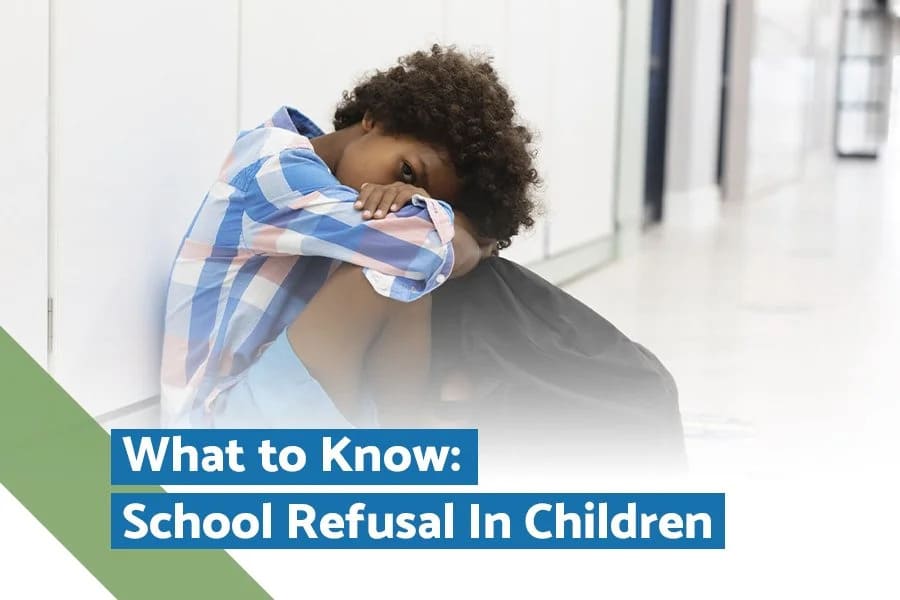
It Starts the Same Way in Every Family
The school bell has rung for the new academic year. The uniform is pressed, the bag is packed, and then it begins.
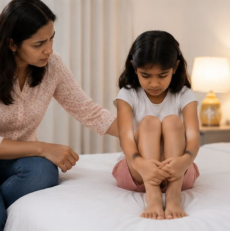
Stomach ache. Headache. Tears at the door. A full meltdown at the school gate. Or sometimes just a quiet, determined refusal. I am not going.
And you are standing there, late for work, wondering whether to push, comfort, or call the doctor.
I want you to take a breath. This is one of the most common things I see in my clinic every June and July, and understanding what is actually happening makes an enormous difference to how you handle it.
प्रत्येक कुटुंबात याची सुरुवात अशीच होते

नवीन शैक्षणिक वर्षासाठी शाळेची घंटा वाजली आहे. गणवेश इस्त्री करून तयार आहे, दप्तर भरले आहे आणि मग... सगळं सुरू होतं.
पोटदुखी, डोकेदुखी, घराच्या दारातच डोळ्यांत येणारे पाणी, शाळेच्या गेटवर होणारा प्रचंड आक्रोश किंवा कधीकधी शांत पण ठाम नकार—"मी जाणार नाही."
आणि तुम्ही तिथे उभे असता—कामावर जायला उशीर झालेला असतो—आणि विचार करत असता की मुलाला बळजबरीने पाठवायचे, समजावून शांत करायचे की डॉक्टरांना फोन करायचा.
मी तुम्हाला सांगेन, जरा शांत व्हा आणि दीर्घ श्वास घ्या. दरवर्षी जून आणि जुलै महिन्यात माझ्या क्लिनिकमध्ये मला दिसणाऱ्या सर्वात सामान्य गोष्टींपैकी ही एक गोष्ट आहे; आणि नक्की काय घडतंय हे समजून घेतल्यास, या परिस्थितीला तुम्ही कसं हाताळता यात खूप मोठा फरक पडू शकतो.
This Is Not Naughtiness
The single most important thing parents need to hear first: school refusal is not defiance, laziness, or manipulation.
Research is very clear on this. School refusal is rooted in genuine emotional distress, most commonly anxiety. The child is not refusing to go to school. They are trying to escape something that feels genuinely threatening to them, even if you and I cannot see the threat.
Studies estimate that between 2 and 5% of all school-aged children worldwide experience significant school refusal at some point. In India, research puts prevalence at up to 7%. A 2025 national survey in the US found that nearly 28% of children experience some form of school avoidance, most commonly around ages 10 to 13 and during school transitions.
It peaks at two very specific ages: when children first start school at 5 to 6 years, and again around 10 to 11 years when they transition to a new level. If your child falls into either of these groups, you are not imagining a pattern.
ही काही खोडकरपणाची बाब नाही

पालकांनी सर्वप्रथम समजून घेण्यासारखी सर्वात महत्त्वाची गोष्ट म्हणजे: शाळेत जाण्यास नकार देणे ही काही अवज्ञा, आळस किंवा कोणाला तरी हाताळण्याची युक्ती नसते.
याबाबतचे संशोधन अगदी स्पष्ट आहे. शाळेत जाण्यास नकार देण्यामागे वास्तविक भावनिक अस्वस्थता, आणि त्यातही प्रामुख्याने 'चिंता' हे कारण असते. मूल मुळात शाळेत जाण्यास नकार देत नसते; तर, त्यांना जी गोष्ट खरोखरच धोकादायक किंवा भीतीदायक वाटते, त्यापासून ते दूर जाण्याचा प्रयत्न करत असतात—मग तो धोका तुम्हाला किंवा मला दिसत नसला तरीही.
अभ्यासांनुसार, जगभरातील शालेय वयातील मुलांपैकी २ ते ५ टक्के मुलांना कधीतरी शाळेत जाण्यास तीव्र अनिच्छा किंवा नकार दर्शवण्याचा अनुभव येतो. भारतात हे प्रमाण ७ टक्क्यांपर्यंत असल्याचे संशोधनातून दिसून आले आहे. अमेरिकेतील २०२५ च्या एका राष्ट्रीय सर्वेक्षणात असे आढळले की, जवळपास २८ टक्के मुलांना कोणत्या ना कोणत्या स्वरूपात शाळा टाळण्याचा अनुभव येतो; विशेषतः १० ते १३ वयोगटात आणि शाळेच्या टप्प्यातील बदलांच्या (उदा. प्राथमिक ते माध्यमिक) काळात हे प्रमाण अधिक असते.
हे प्रमाण दोन विशिष्ट वयोगटांत सर्वाधिक असते: जेव्हा मुले वयाच्या ५ ते ६ व्या वर्षी पहिल्यांदा शाळेत जाऊ लागतात, आणि पुन्हा वयाच्या १० ते ११ व्या वर्षी जेव्हा ती शिक्षणाच्या एका टप्प्यातून दुसऱ्या टप्प्यात प्रवेश करतात. जर तुमचे मूल यापैकी कोणत्याही गटात येत असेल, तर तुम्हाला दिसणारा हा विशिष्ट कल केवळ तुमचा भ्रम नाही.
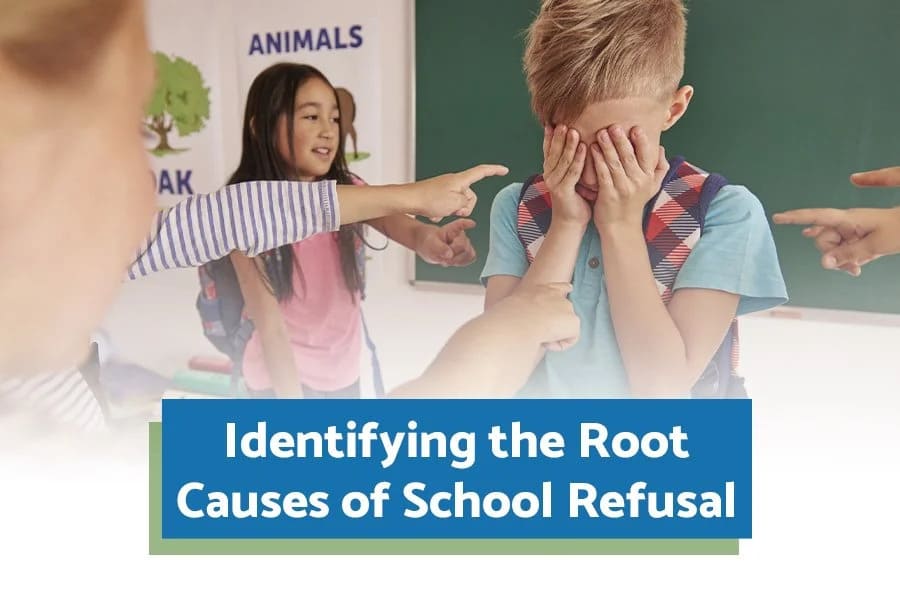
Two Very Different Situations: New Admission vs Returning Child
It helps to think about these two groups separately because the cause is often different.
The New Admission Child
For a child joining school for the first time, what you are almost always seeing is separation anxiety, and this is developmentally normal.
Separation anxiety normally peaks between 8 and 18 months and then gradually reduces. But it can resurface, especially powerfully, when a child faces their first major separation from their primary caregiver in an unfamiliar environment.
The research says this typically resolves on its own within a few days to weeks as the child adjusts. The key word is few weeks, not few months. If the distress continues well beyond the first two to three weeks of school, that is when professional guidance becomes important.
The Returning Child
When a child who was attending school fine last year suddenly refuses to go back, something has changed. And that something deserves a real conversation, not just a firmer push out the door.
Common triggers for returning children include:
• Bullying, which parents often do not know about because children feel ashamed or afraid to report it
• Academic pressure or fear of failure, particularly around exams and competitive performance
• Social anxiety, especially the fear of being judged, embarrassed, or excluded by peers
• A difficult teacher, a classroom conflict, or an incident that was never fully resolved
• Family stress at home that the child carries to school: a parent’s illness, financial tension, marital conflict
• A significant life change like moving to a new area, changing sections, or losing a close friend who moved schools
दोन अगदी वेगळ्या परिस्थिती: नवीन प्रवेश घेणारे मूल विरुद्ध पुन्हा शाळेत जाणारे मूल

या दोन गटांचा स्वतंत्रपणे विचार करणे उपयुक्त ठरते, कारण त्यामागील कारणे अनेकदा वेगळी असतात.

नवीन प्रवेश घेणारे मूल
जेव्हा एखादे मूल पहिल्यांदाच शाळेत जाते, तेव्हा प्रामुख्याने 'विलगीकरणाची भीती' (separation anxiety) दिसून येते; विकासाच्या दृष्टीने ही एक सामान्य बाब आहे.
ही भीती साधारणपणे ८ ते १८ महिन्यांच्या वयात शिगेला पोहोचते आणि नंतर हळूहळू कमी होते. मात्र, जेव्हा मूल अपरिचित वातावरणात आपल्या मुख्य काळजीवाहकापासून (उदा. आई किंवा वडील) पहिल्यांदाच मोठ्या काळासाठी वेगळे होते, तेव्हा ही भीती पुन्हा तीव्रतेने उद्भवू शकते.
संशोधनानुसार, मूल जसजसे परिस्थितीशी जुळवून घेते, तसतशी ही समस्या काही दिवस किंवा आठवड्यांत आपोआप सुटते. येथे 'काही आठवडे' हा शब्द महत्त्वाचा आहे, 'काही महिने' नव्हे. जर शाळेच्या पहिल्या दोन-तीन आठवड्यांनंतरही मुलाचा त्रास किंवा अस्वस्थता कायम राहिली, तर तज्ञांचा सल्ला घेणे गरजेचे ठरते.

पुन्हा शाळेत जाणारे मूल
जेव्हा एखादे मूल, जे गेल्या वर्षी आनंदाने शाळेत जात होते, ते अचानक पुन्हा जाण्यास नकार देते, तेव्हा नक्कीच काहीतरी बदललेले असते. अशा वेळी केवळ बळजबरीने त्याला शाळेत पाठवण्याऐवजी, त्यामागच्या कारणांवर सविस्तर चर्चा करणे आवश्यक असते.
पुन्हा शाळेत जाण्यास नकार देण्यामागील काही सामान्य कारणे खालीलप्रमाणे असू शकतात:
•	इतरांकडून होणारा त्रास किंवा छळ (bullying): अनेकदा पालकांना याची कल्पना नसते कारण मुले त्याबद्दल सांगायला लाजाळू किंवा घाबरलेली असतात.
•	अभ्यासाचा ताण किंवा अपयशाची भीती: विशेषतः परीक्षा आणि स्पर्धात्मक कामगिरीच्या बाबतीत.
•	सामाजिक अस्वस्थता (social anxiety): समवयस्कांकडून होणारी टीका, लाजिरवाणी परिस्थिती किंवा गटातून वगळले जाण्याची भीती.
•	कठोर वागणारे शिक्षक, वर्गातील वाद किंवा एखादी अशी घटना जी पूर्णपणे सोडवली गेली नाही.
•	घरातील तणाव जो मूल शाळेतही सोबत नेते: जसे की पालकांचे आजारपण, आर्थिक समस्या किंवा पती-पत्नीमधील वाद.
•	आयुष्यातील एखादा मोठा बदल: जसे की नवीन भागात राहण्यास जाणे, वर्गाचा विभाग (section) बदलणे किंवा जवळच्या मित्राने शाळा सोडणे.
The Physical Symptoms Are Real
One thing parents often misread is the physical symptoms.
Stomach ache every school morning. Headache that mysteriously disappears by mid-morning. Nausea, loose motions, or vomiting just before leaving home.
These are not fake. The research is very clear: anxiety produces real physical symptoms through the gut-brain connection. The stomach ache your child is describing is genuinely painful. It is triggered by anxiety and it will not show up on any blood test.[nih +1]
This is why ruling out genuine physical illness is always the first step, but after that, the conversation shifts to what is emotionally driving the symptoms.
शारीरिक लक्षणे खरी असतात

पालक अनेकदा शारीरिक लक्षणांबद्दल चुकीचा अर्थ लावतात.
शाळेच्या प्रत्येक दिवशी सकाळी पोटदुखी. सकाळच्या मध्यात रहस्यमयरीत्या नाहीशी होणारी डोकेदुखी. घरातून निघण्यापूर्वी मळमळ, जुलाब किंवा उलट्या होणे.
ही लक्षणे खोटी नसतात. संशोधन अगदी स्पष्ट आहे: आतडे-मेंदू संबंधाद्वारे चिंता खरी शारीरिक लक्षणे निर्माण करते. तुमचे मूल ज्या पोटदुखीचे वर्णन करत आहे, ती खरोखरच वेदनादायी असते. ती चिंतेमुळे उद्भवते आणि कोणत्याही रक्त तपासणीत दिसून येत नाही. म्हणूनच, खरा शारीरिक आजार नाही हे निश्चित करणे ही नेहमीच पहिली पायरी असते, पण त्यानंतर, या लक्षणांमागे भावनिक कारण काय आहे यावर चर्चा सुरू होते.
What Actually Makes Things Worse
Before I tell you what helps, let me tell you what doesn’t, because many well-meaning parents accidentally make school refusal harder to resolve.
Keeping the child home repeatedly. I understand the impulse. It is agonising to watch your child cry. But research consistently shows that the longer a child stays away from school, the harder the return becomes. Avoidance feeds anxiety. Every day at home confirms to the child’s brain that school is genuinely dangerous and that home is the safe place.
Making home too comfortable on school days. Unlimited screens, favourite foods, sleeping in, lots of parental attention on school avoidance days inadvertently rewards the behaviour.
Excessive questioning every morning. Asking your child how they feel, whether their stomach hurts, or whether they are nervous before school primes them to focus on the anxiety.
Anger or punishment. This increases the child’s distress without addressing the cause, and it damages the trust you need to understand what is actually going on.
प्रत्यक्षात गोष्टी अधिक वाईट कशामुळे होतात

काय मदत करते हे सांगण्यापूर्वी, काय मदत करत नाही हे मी तुम्हाला सांगते, कारण अनेक चांगल्या हेतूचे पालक नकळतपणे शाळेत जाण्यास नकार देण्याची समस्या सोडवणे अधिक कठीण करतात.

मुलाला वारंवार घरी ठेवणे. मला तुमची भावना समजते. आपल्या मुलाला रडताना पाहणे खूप वेदनादायी असते. पण संशोधनातून सातत्याने असे दिसून आले आहे की, मूल जितके जास्त काळ शाळेपासून दूर राहते, तितकेच त्याचे शाळेत परतणे कठीण होते. टाळाटाळ केल्याने चिंता वाढते. घरी घालवलेला प्रत्येक दिवस मुलाच्या मेंदूला हे पटवून देतो की शाळा खरोखरच धोकादायक आहे आणि घर हेच सुरक्षित ठिकाण आहे.

शाळेच्या दिवशी घर खूप आरामदायक बनवणे. अमर्याद स्क्रीन, आवडते पदार्थ, उशिरापर्यंत झोपणे, शाळेत जाणे टाळण्याच्या दिवशी पालकांचे भरपूर लक्ष, या गोष्टी नकळतपणे त्या वर्तनाला प्रोत्साहन देतात.

दररोज सकाळी गरजेपेक्षा जास्त प्रश्न विचारणे. तुमच्या मुलाला कसे वाटते, पोटात दुखते का, किंवा शाळेत जाण्यापूर्वी त्याला भीती वाटते का, असे विचारल्याने त्याचे लक्ष चिंतेवर केंद्रित होते.

राग किंवा शिक्षा. यामुळे मूळ कारणाकडे लक्ष न देता मुलाचा त्रास वाढतो आणि नेमके काय चालले आहे हे समजून घेण्यासाठी आवश्यक असलेला तुमचा विश्वास तुटतो.
What Actually Helps
Talk First, Push Later
Have a calm conversation, ideally not on a tense school morning. Ask open, gentle questions: What feels hard about school right now? Is there anything that happened? What do you worry about when you think about going?
Then listen without rushing to fix it. Children share more when they feel heard rather than interrogated.
Go Back Quickly But Gradually
The goal is to return to school as quickly as possible, but in a manageable way.
A step-wise approach works well for most children. Day one, get dressed and drive to school, even if they don’t go in. Day two, attend for an hour or a favourite subject. Day three, half a day. By the end of the week, a full day. Small consistent exposures break the anxiety cycle more effectively than either forcing a full day or keeping them home.
Build a Predictable Morning Routine
Anxiety thrives on unpredictability. A calm, structured morning, bags packed the night before, a fixed wake time, a proper breakfast, a known drop-off routine significantly reduces morning distress.
Loop In the School
Talk to the class teacher and the school counsellor early. Schools can do a lot if they know what is happening: seating your child near a supportive friend, having a familiar adult meet them at the gate, giving them a quiet space to decompress, preventing the kind of public attention that makes anxious children want to disappear.
Validate the Feeling, Not the Avoidance
There is an important difference between saying I understand you feel scared, I am here with you and saying okay, you don’t have to go today.
You can acknowledge the feeling completely while still being clear that school is going to happen. Both things can be true at the same time. Empathy and firmness are not opposites.
नेमकी कोणती गोष्ट मदत करते?

आधी संवाद साधा, मग आग्रह धरा
शांतपणे चर्चा करा; शक्यतो शाळेच्या घाईगडबडीच्या किंवा तणावपूर्ण सकाळी हे करू नका. मोकळेपणाने आणि सौम्यपणे प्रश्न विचारा: "सध्या शाळेबाबत तुला काय कठीण वाटतंय?", "काही विशिष्ट घटना घडली आहे का?", "शाळेत जाण्याचा विचार करताना तुला कशाची काळजी वाटते?"
त्यानंतर, समस्या लगेच सोडवण्याच्या घाईशिवाय त्यांचे म्हणणे ऐकून घ्या. जेव्हा मुलांना असे वाटते की त्यांचे म्हणणे ऐकून घेतले जात आहे (आणि त्यांची उलटतपासणी केली जात नाहीये), तेव्हा ती अधिक मोकळेपणाने बोलतात.
लवकरात लवकर पण टप्प्याटप्प्याने परत जा
शाळेत लवकरात लवकर परतणे हे उद्दिष्ट असले पाहिजे, पण ते पेलण्याजोग्या पद्धतीने साध्य केले पाहिजे.
बहुतेक मुलांसाठी टप्प्याटप्प्याने पुढे जाण्याची पद्धत उपयुक्त ठरते. पहिल्या दिवशी, शाळेत आत न जाता केवळ तयार होऊन गाडीने शाळेपर्यंत जाणे. दुसऱ्या दिवशी, एका तासासाठी किंवा आवडत्या विषयाच्या तासाला उपस्थित राहणे. तिसऱ्या दिवशी, अर्धा दिवस शाळेत जाणे. आठवड्याच्या अखेरीस, पूर्ण दिवस शाळेत जाणे. त्यांना घरीच बसवून ठेवण्यापेक्षा किंवा एकदम पूर्ण दिवस शाळेत जाण्याचा आग्रह करण्यापेक्षा, सातत्याने थोडा-थोडा वेळ शाळेचा अनुभव घेतल्याने भीतीचे किंवा चिंतेचे चक्र अधिक प्रभावीपणे मोडता येते.
सकाळची एक निश्चित दिनचर्या (रूटीन) तयार करा
अनिश्चिततेमुळे चिंता वाढते. शांत आणि नियोजित सकाळ – जसे की आदल्या रात्रीच दप्तर भरून ठेवणे, उठण्याची निश्चित वेळ, सकस नाश्ता आणि शाळेत सोडण्याची ठरलेली पद्धत – यामुळे सकाळी होणारा तणाव लक्षणीयरीत्या कमी होतो.
शाळेला विश्वासात घ्या
वर्गशिक्षक आणि शाळेतील समुपदेशक (counsellor) यांच्याशी सुरुवातीलाच चर्चा करा. परिस्थितीची कल्पना असल्यास शाळा खूप काही करू शकते: उदा. तुमच्या मुलाला एखाद्या आधार देणाऱ्या मित्राच्या शेजारी बसवणे, शाळेच्या गेटवर एखाद्या ओळखीच्या व्यक्तीने त्यांना भेटणे, त्यांना शांत वाटण्यासाठी एखादी एकांत जागा उपलब्ध करून देणे आणि चिंताग्रस्त मुलांना नकोसे वाटणारे सर्वांचे लक्ष त्यांच्याकडे वेधले जाणे टाळणे.
त्यांच्या भावनेची दखल घ्या, पण शाळेला टाळण्याच्या वृत्तीला नाही
"मला समजतंय की तुला भीती वाटतेय आणि मी तुझ्यासोबत आहे," असे म्हणणे आणि "ठीक आहे, तुला आज शाळेत जाण्याची गरज नाही," असे म्हणणे यात महत्त्वाचा फरक आहे.
शाळेत जाणे आवश्यक आहे हे स्पष्ट ठेवूनही तुम्ही त्यांच्या भावनेची पूर्णपणे दखल घेऊ शकता. या दोन्ही गोष्टी एकाच वेळी सत्य असू शकतात. सहानुभूती आणि ठामपणा या परस्परविरोधी गोष्टी नाहीत.
When to Come See Me
Bring your child to the clinic if:
• Physical symptoms are significant and you need to rule out a medical cause
• School refusal is persisting beyond two to three weeks despite your best efforts
• Your child seems withdrawn, sad, or is not enjoying activities they used to love
• There is any hint of bullying that the school is not taking seriously
• Your child mentions anything about not wanting to be here, feeling hopeless, or hurting themselves
• You sense something more is going on but cannot put your finger on what
Cognitive Behavioural Therapy (CBT) is the most evidence-backed treatment for anxiety-based school refusal and it is highly effective. Early intervention makes a dramatic difference. The children who do best are those whose parents took the first signs seriously rather than waiting months hoping it would resolve on its own.
मला भेटायला कधी यावे

तुमच्या मुलाला/मुलीला क्लिनिकमध्ये आणा जर:
• शारीरिक लक्षणे लक्षणीय असतील आणि तुम्हाला वैद्यकीय कारण नाही हे निश्चित करायचे असेल
• तुमचे सर्वोत्तम प्रयत्न करूनही, शाळेत जाण्यास नकार देण्याची सवय दोन ते तीन आठवड्यांपेक्षा जास्त काळ टिकून असेल
• तुमचे मूल एकलकोंडे, उदास वाटत असेल किंवा त्याला/तिला पूर्वी आवडणाऱ्या गोष्टींमध्ये आनंद मिळत नसेल
• शाळेकडून गांभीर्याने न घेतल्या जाणाऱ्या छळाचा (बुलिंगचा) कोणताही सुगावा लागत असेल
• तुमचे मूल येथे येण्याची इच्छा नसल्याबद्दल, निराश वाटत असल्याबद्दल किंवा स्वतःला इजा करत असल्याबद्दल काहीही बोलत असेल
• तुम्हाला जाणवत असेल की काहीतरी वेगळे घडत आहे, पण ते नक्की काय आहे हे कळत नसेल

चिंतेमुळे शाळेत जाण्यास नकार देण्याच्या समस्येवर कॉग्निटिव्ह बिहेविअरल थेरपी (CBT) हा सर्वात जास्त पुराव्यांवर आधारित उपचार आहे आणि तो अत्यंत प्रभावी आहे. लवकर हस्तक्षेप केल्याने खूप मोठा फरक पडतो. ज्या मुलांच्या पालकांनी समस्या आपोआप सुटेल या आशेने महिने वाट पाहण्याऐवजी सुरुवातीच्या लक्षणांना गांभीर्याने घेतले, त्यांचीच मुले सर्वोत्तम प्रगती करतात.
Your child is not giving you a hard time. They are having a hard time.
That distinction changes everything about how you respond. With the right support, most children with school refusal get through it and go on to thrive. The key is catching it early, understanding what is driving it, and getting the right help before avoidance becomes the default pattern.
If you are worried, come in. That is exactly what I am here for.
तुमचे मूल तुम्हाला मुद्दाम त्रास देत नाहीये, तर ते स्वतःच एका कठीण परिस्थितीतून जात आहे.
हा फरक समजून घेतल्यास, तुम्ही त्याकडे पाहण्याच्या आणि प्रतिसाद देण्याच्या दृष्टिकोनात पूर्णपणे बदल होऊ शकतो. योग्य आधार मिळाल्यास, शाळेत जाण्यास नकार देणारी बहुतेक मुले या परिस्थितीतून यशस्वीपणे बाहेर पडतात आणि पुढे उत्तम प्रगती करतात. महत्त्वाची गोष्ट म्हणजे ही समस्या सुरुवातीच्या टप्प्यावरच ओळखणे, त्यामागची कारणे समजून घेणे आणि शाळेत न जाण्याची सवय (किंवा टाळाटाळ करण्याची वृत्ती) पक्की होण्याआधीच योग्य ती मदत मिळवणे.
जर तुम्हाला याबद्दल चिंता वाटत असेल, तर नक्की भेटा. त्यासाठीच मी इथे आहे.
About the Author
Dr. Suhas Sodal, MBBS, MD (Pediatrics), brings over 15 years of experience caring for children in Pimple Gurav, Pimpri, and surrounding areas.
He specializes in pediatric infectious diseases, childhood allergies and asthma, vaccines, and nutrition.
Dr. Sodal has led multiple clinical trials on vaccine safety and efficacy, ensuring evidence-based care.
His passion for pediatric nutrition drives innovative, child-friendly dietary guidance rooted in Indian traditions.
Families in Pimple Gurav, Pimple Saudagar, Rahatani, Wakad, Aundh, Dapodi, Sangvi, Bhosari, Pimpri, and Vallabh Nagar trust his expertise.
He practices at IRA Children’s Clinic in Pimple Gurav, offering personalized treatment plans for every child.
Dr. Sodal’s holistic approach blends modern medicine with practical nutritional advice for optimal growth.
His clinic is known for compassionate care, helping children thrive through preventive and curative services.
Parents seeking reliable pediatric advice can reach IRA Children’s Clinic at 7276012600.
Dr. Sodal remains dedicated to advancing child health and wellness in the Pune region.
लेखकाबद्दल

डॉ. सुहास सोडल, एमबीबीएस, एमडी (बालरोगशास्त्र) यांना पिंपळे गुरव, पिंपरी आणि आसपासच्या परिसरातील मुलांची काळजी घेण्याचा १५ वर्षांहून अधिक अनुभव आहे.
ते बालरोग संसर्गजन्य रोग, बालपणीच्या ऍलर्जी आणि दमा, लस आणि पोषण या विषयांमध्ये तज्ज्ञ आहेत.
डॉ. सोडल यांनी लसीची सुरक्षितता आणि परिणामकारकता यावर अनेक क्लिनिकल चाचण्यांचे नेतृत्व केले आहे, ज्यामुळे पुराव्यावर आधारित काळजी सुनिश्चित होते.
बालरोग पोषणाबद्दलची त्यांची आवड भारतीय परंपरांमध्ये रुजलेली नाविन्यपूर्ण, बाल-अनुकूल आहार मार्गदर्शन करते.
पिंपळे गुरव, पिंपळे सौदागर, रहाटणी, वाकड, औंध, दापोडी, सांगवी, भोसरी, पिंपरी आणि वल्लभ नगरमधील कुटुंबे त्यांच्या कौशल्यावर विश्वास ठेवतात.
ते पिंपळे गुरव येथील इरा चिल्ड्रन्स क्लिनिकमध्ये प्रॅक्टिस करतात, प्रत्येक मुलासाठी वैयक्तिकृत उपचार योजना देतात.
डॉ. सोडल यांचा समग्र दृष्टिकोन आधुनिक औषधांना इष्टतम वाढीसाठी व्यावहारिक पौष्टिक सल्ल्यासह एकत्रित करतो.
त्यांचे क्लिनिक दयाळू काळजीसाठी ओळखले जाते, प्रतिबंधात्मक आणि उपचारात्मक सेवांद्वारे मुलांना भरभराट करण्यास मदत करते.
विश्वसनीय बालरोग सल्ला मिळवणाऱ्या पालकांना इरा चिल्ड्रन्स क्लिनिकशी ७२७६०१२६०० या क्रमांकावर संपर्क साधता येईल.
डॉ. सोडल पुणे प्रदेशात बाल आरोग्य आणि निरोगीपणा वाढवण्यासाठी समर्पित आहेत.
Disclaimer:
काळजीपूर्वक लक्षात घ्या:






Leave a comment