

October 2, 2026
The Facts About Childhood Eczema: Managing Dry, Itchy Skin
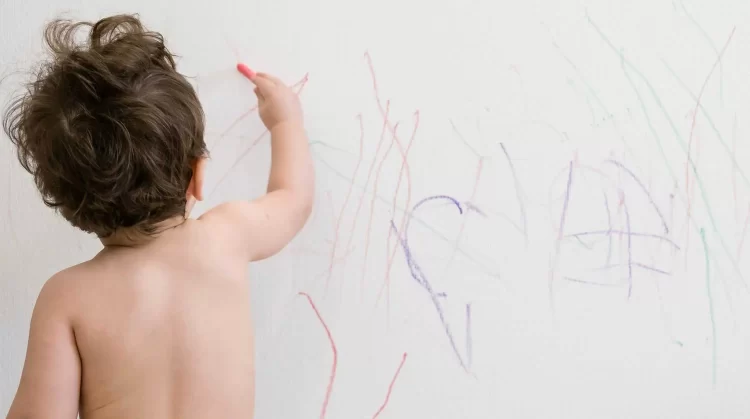
चित्रकला आणि मुले: भिंतीवरची ती गिरगिट तुमच्या विचारापेक्षा जास्त महत्त्वाची का आहे
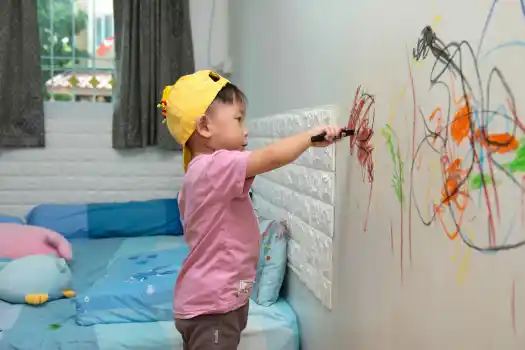
The Crayon on the Floor Is Not Just a Mess
Every parent has been there. Your toddler got hold of a crayon and made their mark on the wall, the sofa or your important papers.
Your first reaction is to take it away.
But here is something worth knowing. That scribble, as chaotic as it looks, is one of the most important things your child can do for their developing brain.
Drawing is not just art. It builds your child’s brain, body and emotions at the same time. And the science behind it is genuinely impressive.
फरशीवर पडलेला क्रेयॉन म्हणजे केवळ पसारा नाही

प्रत्येक पालकाने हा अनुभव घेतला असेल. तुमच्या लहान मुलाच्या हातात क्रेयॉन लागतो आणि तो भिंतीवर, सोफ्यावर किंवा तुमच्या महत्त्वाच्या कागदपत्रांवर रेघोट्या मारतो.
तुमची पहिली प्रतिक्रिया असते की तो (क्रेयॉन) काढून घ्यावा.
पण इथे एक गोष्ट जाणून घेण्यासारखी आहे. ती रेघोट्या, दिसायला कितीही अव्यवस्थित असली तरी, तुमच्या मुलाच्या वाढत्या मेंदूसाठी ती एक अत्यंत महत्त्वाची गोष्ट आहे.
चित्रकला ही केवळ एक कला नाही. ती एकाच वेळी तुमच्या मुलाचा मेंदू, शरीर आणि भावना घडवते. आणि त्यामागील विज्ञान खरोखरच प्रभावी आहे.
When Should Your Child Start?
Earlier than most parents think.
Most toddlers are ready to hold a chunky crayon and make marks on paper between 12 and 15 months, as soon as the pincer grasp develops.
Here is what to expect at each age:
12 to 18 months: Random whole-arm scribbles. The child is learning that movement creates marks.
18 months to 2 years: Scribbles fill the page. Circular motions appear. Children start naming their scribbles even if you cannot see what it is.
2 to 3 years: More controlled strokes. Back-and-forth lines. First intentional marks.
3 to 4 years: Basic circles and rough shapes. First human figure drawings appear, usually a circle with lines as legs.
4 to 5 years: Recognisable drawings begin. A house, a sun, a family. Eyes, arms and fingers appear.
5 to 7 years: Your child develops their own drawing style. Sky and ground are separated. They draw what they know and love.
7 years and above: More detailed and realistic drawings. Some children become self-critical at this stage, which needs gentle handling.
A 2024 Stanford University study analysed thousands of children’s drawings from ages 2 to 10 and found that drawing ability and object recognition develop in parallel throughout childhood, showing how deeply drawing is connected to how children understand the world.
तुमच्या मुलाने केव्हा सुरुवात करावी?

बहुतेक पालकांना वाटते त्यापेक्षा लवकर.
बहुतेक लहान मुले १२ ते १५ महिन्यांच्या दरम्यान, चिमट्यासारखी पकड विकसित झाल्यावर, जाडसर क्रेयॉन धरून कागदावर खुणा करण्यास तयार होतात.

प्रत्येक वयात काय अपेक्षित आहे ते येथे दिले आहे:
१२ ते १८ महिने: संपूर्ण हाताने अस्ताव्यस्त गिरगिटणे. हालचालीने खुणा तयार होतात हे मूल शिकत असते.
१८ महिने ते २ वर्षे: गिरगिटून संपूर्ण पान भरून जाते. गोलाकार हालचाली दिसू लागतात. तुम्ही ते काय आहे हे पाहू शकत नसलात तरी, मुले त्यांच्या गिरगिटाला नाव देऊ लागतात.
२ ते ३ वर्षे: अधिक नियंत्रित रेषा. पुढे-मागे जाणाऱ्या रेषा. पहिल्या हेतुपुरस्सर खुणा.
३ ते ४ वर्षे: साधी वर्तुळे आणि ओबडधोबड आकार. मानवी आकृतीची पहिली चित्रे दिसू लागतात, सहसा पायांसाठी रेषा असलेले वर्तुळ.
४ ते ५ वर्षे: ओळखण्यायोग्य चित्रे दिसू लागतात. घर, सूर्य, कुटुंब. डोळे, हात आणि बोटे दिसू लागतात.
५ ते ७ वर्षे: तुमचे मूल स्वतःची चित्रशैली विकसित करते. आकाश आणि जमीन वेगळे ओळखले जातात. त्यांना जे माहीत आहे आणि आवडते, ते ते काढतात.
७ वर्षे आणि त्यापुढील: अधिक तपशीलवार आणि वास्तववादी चित्रे. या टप्प्यावर काही मुले आत्म-टीका करू लागतात, ज्यांना हळुवारपणे हाताळण्याची गरज असते.

स्टॅनफोर्ड विद्यापीठाच्या २०२४ च्या एका अभ्यासात २ ते १० वयोगटातील हजारो मुलांच्या चित्रांचे विश्लेषण केले गेले आणि त्यात असे आढळून आले की, चित्रकला क्षमता आणि वस्तू ओळखण्याची क्षमता बालपणात समांतरपणे विकसित होते. यावरून हे दिसून येते की, मुले जगाला कसे समजतात याच्याशी चित्रकला किती खोलवर जोडलेली आहे.
What Drawing Actually Does for Your Child
Builds Fine Motor Skills and Prepares for Writing
Every time your child grips a crayon, they are strengthening the small muscles in their fingers and hands.
A 2018 study found a strong link between fine motor skill development and handwriting legibility in children. Drawing is how those muscles get built. Gripping a fat crayon at age 2 becomes gripping a pencil at age 5. Drawing circles at age 3 becomes writing letters at age 6.
Skipping drawing and jumping straight to writing worksheets does not work. The muscles and coordination need to be built through free drawing first.
Builds Both Sides of the Brain
When your child draws, multiple brain areas fire up simultaneously. The visual cortex, motor cortex and prefrontal cortex all work together.
Drawing activates the creative right hemisphere while engaging the left hemisphere for structure and planning. A 2023 PMC review confirmed that drawing is a versatile cognitive tool that makes the invisible contents of mental life visible, essentially externalising what a child is thinking and feeling.
Regulates Emotions
This one surprises parents the most.
A 2021 paper published in Frontiers in Psychology found that just five minutes of free drawing after a negative event significantly improved mood in children aged 6 to 12.
A 2023 educational review confirmed that regular drawing activities lower stress as measured by cortisol levels in children.
When your child is upset, anxious or overwhelmed, giving them paper and crayons is not just a distraction. It is a clinically supported mood regulator.
Builds Confidence and Emotional Expression
For a young child who cannot yet express complex feelings in words, drawing is a complete language.
A 2025 study found that drawing functions as a projective mechanism, helping children express inner states they cannot yet put into sentences. When you show genuine interest in their drawings, you are validating their inner world and building their confidence to express themselves.
Strengthens Academic and Cognitive Skills
Drawing requires planning, sequencing and decision-making. Research shows that children who draw regularly show improved attention, better memory and stronger performance in other academic subjects.
When you ask your child to explain their drawing, you build vocabulary, narrative skills and reasoning at the same time.
चित्रकला तुमच्या मुलासाठी नेमके काय करते

सूक्ष्म स्नायू कौशल्ये विकसित करते आणि लेखनासाठी तयार करते
प्रत्येक वेळी जेव्हा तुमचे मूल क्रेयॉन पकडते, तेव्हा ते त्यांच्या बोटांमधील आणि हातांमधील लहान स्नायू मजबूत करत असते.
२०१८ च्या एका अभ्यासात मुलांमधील सूक्ष्म स्नायू कौशल्यांचा विकास आणि हस्ताक्षराची सुवाच्यता यांच्यात एक मजबूत संबंध आढळला. चित्रकलेद्वारेच हे स्नायू तयार होतात. वयाच्या २ व्या वर्षी जाड क्रेयॉन पकडणे, हे वयाच्या ५ व्या वर्षी पेन्सिल पकडण्यासारखे होते. वयाच्या ३ व्या वर्षी वर्तुळे काढणे, हे वयाच्या ६ व्या वर्षी अक्षरे लिहिण्यासारखे होते.
चित्रकला वगळून थेट लेखनाच्या कार्यपत्रिकांकडे जाणे योग्य नाही. आधी मुक्त चित्रकलेद्वारे स्नायू आणि समन्वय विकसित करणे आवश्यक आहे.
मेंदूच्या दोन्ही भागांचा विकास होतो
जेव्हा तुमचे मूल चित्र काढते, तेव्हा मेंदूचे अनेक भाग एकाच वेळी सक्रिय होतात. व्हिज्युअल कॉर्टेक्स, मोटर कॉर्टेक्स आणि प्रीफ्रंटल कॉर्टेक्स हे सर्व एकत्र काम करतात.
चित्रकला सर्जनशील उजव्या गोलार्धाला सक्रिय करते, तर डावा गोलार्ध रचना आणि नियोजनासाठी गुंतलेला असतो. २०२३ च्या पीएमसी (PMC) पुनरावलोकनाने पुष्टी केली की चित्रकला हे एक बहुगुणी संज्ञानात्मक साधन आहे, जे मानसिक जीवनातील अदृश्य गोष्टींना दृश्यमान करते आणि मूलतः मुलाच्या विचारांना आणि भावनांना बाह्य स्वरूप देते.
भावनांचे नियमन करते
ही गोष्ट पालकांना सर्वात जास्त आश्चर्यचकित करते.
फ्रंटियर्स इन सायकॉलॉजीमध्ये प्रकाशित झालेल्या २०२१ च्या एका शोधनिबंधात असे आढळून आले की, एखाद्या नकारात्मक घटनेनंतर केवळ पाच मिनिटे मुक्तपणे चित्र काढल्याने ६ ते १२ वयोगटातील मुलांच्या मनःस्थितीत लक्षणीय सुधारणा झाली.
२०२३ च्या एका शैक्षणिक पुनरावलोकनाने पुष्टी केली की नियमित चित्रकलेच्या उपक्रमांमुळे मुलांमधील कॉर्टिसोलच्या पातळीवरून मोजल्याप्रमाणे तणाव कमी होतो.
जेव्हा तुमचे मूल अस्वस्थ, चिंताग्रस्त किंवा गोंधळलेले असते, तेव्हा त्यांना कागद आणि रंगीत खडू देणे हे केवळ त्यांचे लक्ष विचलित करण्याचे साधन नाही. हे वैद्यकीयदृष्ट्या प्रमाणित मनःस्थिती नियंत्रक आहे.
आत्मविश्वास आणि भावनिक अभिव्यक्ती वाढवते
ज्या लहान मुलाला अजून शब्दांतून गुंतागुंतीच्या भावना व्यक्त करता येत नाहीत, त्यांच्यासाठी चित्रकला ही एक संपूर्ण भाषा आहे.
२०२५ च्या एका अभ्यासात असे आढळून आले की चित्रकला एक प्रक्षेपण यंत्रणा म्हणून कार्य करते, जी मुलांना अशा आंतरिक अवस्था व्यक्त करण्यास मदत करते ज्या ते अजून वाक्यांमध्ये मांडू शकत नाहीत. जेव्हा तुम्ही त्यांच्या चित्रांमध्ये मनापासून रस दाखवता, तेव्हा तुम्ही त्यांच्या आंतरिक जगाला मान्यता देत असता आणि स्वतःला व्यक्त करण्याचा त्यांचा आत्मविश्वास वाढवत असता.
शैक्षणिक आणि संज्ञानात्मक कौशल्ये मजबूत होतात
चित्र काढण्यासाठी नियोजन, क्रमवारी आणि निर्णयक्षमता आवश्यक असते. संशोधनातून असे दिसून आले आहे की, जी मुले नियमितपणे चित्र काढतात, त्यांची एकाग्रता सुधारते, स्मरणशक्ती चांगली होते आणि इतर शैक्षणिक विषयांमध्ये त्यांची कामगिरी अधिक चांगली असते.
जेव्हा तुम्ही तुमच्या मुलाला त्याच्या चित्राबद्दल स्पष्टीकरण देण्यास सांगता, तेव्हा तुम्ही एकाच वेळी शब्दसंग्रह, कथन कौशल्ये आणि तर्कशक्ती विकसित करता.
How to Set Up Drawing at Home
Step 1: Create a Simple Dedicated Space
You don’t need an art room. A corner of the table with paper and crayons is enough. Cover the surface with old newspaper or a plastic sheet and let your child know this is their drawing space.
Step 2: Right Supplies for the Right Age
12 months to 3 years: Large chunky triangular crayons, thick washable markers, finger paints, large sheets of paper. Always non-toxic.
3 to 5 years: Regular crayons, washable colour pencils, thick paintbrushes, chalk on outdoor floors.
5 to 8 years: Crayons, colour pencils, sketch pens, watercolour cakes.
8 years and above: Pencils, fine sketch pens, acrylic paints, whatever their interest leads them to.
Step 3: Give Time, Not Instructions
Set aside 15 to 20 minutes daily or at least four to five times a week. Sit with them, draw on your own paper, and let them observe and create freely.
You do not need to teach them how to draw. Just be present.
Step 4: Ask, Don’t Assume
When they show you their drawing, don’t guess what it is. Ask: “Tell me about this.” or “What is happening here?”
Every time you do this, you build language, confidence and connection.
Step 5: Display Their Work
Put drawings on the fridge or the bedroom wall. When children see their work displayed, they feel their efforts matter. This builds the motivation to keep creating.
घरी चित्रकलेची सुरुवात कशी करावी

पायरी १: एक साधी, समर्पित जागा तयार करा
तुम्हाला चित्रकलेसाठी स्वतंत्र खोलीची गरज नाही. टेबलाचा एक कोपरा कागद आणि क्रेयॉन्ससह पुरेसा आहे. पृष्ठभाग जुन्या वर्तमानपत्राने किंवा प्लास्टिकच्या शीटने झाका आणि तुमच्या मुलाला सांगा की ही त्यांची चित्रकलेची जागा आहे.

पायरी २: योग्य वयासाठी योग्य साहित्य
१२ महिने ते ३ वर्षे: मोठे जाड त्रिकोणी क्रेयॉन्स, जाड धुण्यायोग्य मार्कर्स, फिंगर पेंट्स, कागदाचे मोठे तुकडे. नेहमी बिनविषारी.
३ ते ५ वर्षे: नेहमीचे क्रेयॉन्स, धुण्यायोग्य रंगीत पेन्सिल्स, जाड पेंटब्रश, घराबाहेरील फरशीवर खडू.
५ ते ८ वर्षे: क्रेयॉन्स, रंगीत पेन्सिल्स, स्केच पेन्स, वॉटरकलर केक्स.
८ वर्षे आणि त्याहून अधिक: पेन्सिल्स, बारीक स्केच पेन्स, ॲक्रेलिक पेंट्स, त्यांच्या आवडीनुसार इतर साहित्य.

पायरी ३: सूचना नव्हे, तर वेळ द्या
दररोज १५ ते २० मिनिटे किंवा आठवड्यातून किमान चार ते पाच वेळा वेळ बाजूला ठेवा. त्यांच्यासोबत बसा, तुमच्या स्वतःच्या कागदावर चित्र काढा आणि त्यांना मुक्तपणे निरीक्षण करून निर्मिती करू द्या.
तुम्ही त्यांना चित्र कसे काढावे हे शिकवण्याची गरज नाही. फक्त त्यांच्यासोबत उपस्थित रहा.

पायरी ४: विचारा, अंदाज लावू नका
जेव्हा ते तुम्हाला त्यांचे चित्र दाखवतात, तेव्हा ते काय आहे याचा अंदाज लावू नका. विचारा: “मला याबद्दल सांगा.” किंवा “इथे काय घडत आहे?”
प्रत्येक वेळी तुम्ही असे केल्याने, तुम्ही भाषा, आत्मविश्वास आणि नातेसंबंध निर्माण करता.

पायरी ५: त्यांची कलाकृती प्रदर्शित करा
चित्रे फ्रिजवर किंवा बेडरूमच्या भिंतीवर लावा. जेव्हा मुले त्यांची कलाकृती प्रदर्शित केलेली पाहतात, तेव्हा त्यांना वाटते की त्यांच्या प्रयत्नांना महत्त्व आहे. यामुळे सतत नवनिर्मिती करण्याची प्रेरणा मिळते.
Dos and Don’ts for Indian Parents
Do This
• Let them draw freely without templates or expectations
• Praise the process, not just the output. “I love how many colours you used” works better than “What is that?”
• Draw on your own paper alongside them
• Allow mess within the designated space
• Let them draw when they are upset or anxious. It genuinely helps.
• Let them choose the subject. Their choices tell you what matters to them.
Don’t Do This
• Never draw on their paper to correct or improve it. Always use your own paper to demonstrate.
• Don’t rely only on colouring books. Too much colouring within lines can reduce confidence in original drawing.
• Don’t compare their drawings with other children’s work
• Don’t interrupt mid-drawing to correct technique
• Don’t stop the drawing habit once school starts. School writing and free drawing build each other.
• Don’t push for realistic drawings before the child is developmentally ready
भारतीय पालकांसाठी काय करावे आणि काय करू नये

हे करा

• त्यांना कोणत्याही साच्याशिवाय किंवा अपेक्षांशिवाय मुक्तपणे चित्र काढू द्या.
• केवळ अंतिम चित्राचेच नव्हे, तर चित्र काढण्याच्या प्रक्रियेचेही कौतुक करा. “हे काय आहे?” असे विचारण्यापेक्षा, “तू किती रंग वापरले आहेस ते मला खूप आवडले,” असे म्हणणे अधिक प्रभावी ठरते.
• त्यांच्यासोबत स्वतःच्या कागदावर चित्र काढा.
• ठरवून दिलेल्या जागेत पसारा होऊ द्या.
• जेव्हा ते अस्वस्थ किंवा चिंताग्रस्त असतील, तेव्हा त्यांना चित्र काढू द्या. याचा खरोखरच फायदा होतो.
• त्यांना विषय निवडू द्या. त्यांच्या निवडीवरून तुम्हाला कळते की त्यांच्यासाठी काय महत्त्वाचे आहे.

हे करू नका

• त्यांचे चित्र सुधारण्यासाठी किंवा दुरुस्त करण्यासाठी कधीही त्यांच्या कागदावर चित्र काढू नका. प्रात्यक्षिक दाखवण्यासाठी नेहमी स्वतःच्या कागदाचा वापर करा.
• केवळ रंग भरण्याच्या पुस्तकांवर अवलंबून राहू नका. रेषांच्या आत जास्त रंग भरल्याने मूळ चित्र काढण्याचा आत्मविश्वास कमी होऊ शकतो.
• त्यांच्या चित्रांची तुलना इतर मुलांच्या चित्रांशी करू नका.
• चित्र काढताना तंत्रात सुधारणा करण्यासाठी मध्येच व्यत्यय आणू नका.
• शाळा सुरू झाल्यावर चित्र काढण्याची सवय थांबवू नका. शाळेतील लेखन आणि मुक्त चित्रकला एकमेकांना पूरक ठरतात.
• मूल विकासाच्या दृष्टीने तयार होण्यापूर्वी वास्तववादी चित्रांसाठी आग्रह धरू नका.
When to Talk to Your Pediatrician
Drawing milestones can give clinically useful information.
If a child above 3 years shows no interest in making marks at all, or if their drawings are significantly behind the age milestones listed above, mention it at the next clinic visit.
Drawing difficulty can be an early sign of fine motor delays, hand muscle weakness, vision issues or developmental concerns. Catching these early makes a real difference.
तुमच्या बालरोगतज्ञांशी कधी बोलावे

चित्रकलेचे टप्पे वैद्यकीयदृष्ट्या उपयुक्त माहिती देऊ शकतात.
जर ३ वर्षांवरील मुलाला चित्र काढण्यात अजिबात रस नसेल, किंवा त्यांची चित्रे वर नमूद केलेल्या वयाच्या टप्प्यांपेक्षा लक्षणीयरीत्या मागे असतील, तर पुढच्या क्लिनिक भेटीत याचा उल्लेख करा.
चित्र काढण्यातील अडचण हे सूक्ष्म हालचालींमधील विलंब, हाताच्या स्नायूंची कमजोरी, दृष्टीच्या समस्या किंवा विकासात्मक चिंता यांचे प्रारंभिक लक्षण असू शकते. हे लवकर ओळखल्यास खूप मोठा फरक पडतो.
A crayon and a blank sheet of paper is one of the simplest and most powerful developmental tools you own.
It builds writing muscles. It calms anxiety. It trains both sides of the brain. It gives your child a language for feelings they cannot yet speak.
Start at 12 months. Stay consistent. Stay out of the way. And let them draw.
एक क्रेयॉन आणि एक कोरा कागद हे तुमच्याकडील सर्वात सोप्या आणि प्रभावी विकासात्मक साधनांपैकी एक आहे.
यामुळे लिहिण्याची क्षमता वाढते. चिंता कमी होते. मेंदूच्या दोन्ही भागांना प्रशिक्षण मिळते. हे तुमच्या मुलाला अशा भावनांसाठी एक भाषा देते, ज्या ते अजून बोलू शकत नाहीत.
१२ महिन्यांपासून सुरुवात करा. सातत्य ठेवा. त्यांच्या कामात अडथळा आणू नका. आणि त्यांना चित्र काढू द्या.
About the Author
Dr. Suhas Sodal, MBBS, MD (Pediatrics), brings over 15 years of experience caring for children in Pimple Gurav, Pimpri, and surrounding areas.
He specializes in pediatric infectious diseases, childhood allergies and asthma, vaccines, and nutrition.
Dr. Sodal has led multiple clinical trials on vaccine safety and efficacy, ensuring evidence-based care.
His passion for pediatric nutrition drives innovative, child-friendly dietary guidance rooted in Indian traditions.
Families in Pimple Gurav, Pimple Saudagar, Rahatani, Wakad, Aundh, Dapodi, Sangvi, Bhosari, Pimpri, and Vallabh Nagar trust his expertise.
He practices at IRA Children’s Clinic in Pimple Gurav, offering personalized treatment plans for every child.
Dr. Sodal’s holistic approach blends modern medicine with practical nutritional advice for optimal growth.
His clinic is known for compassionate care, helping children thrive through preventive and curative services.
Parents seeking reliable pediatric advice can reach IRA Children’s Clinic at 7276012600.
Dr. Sodal remains dedicated to advancing child health and wellness in the Pune region.
लेखकाबद्दल

डॉ. सुहास सोडल, एमबीबीएस, एमडी (बालरोगशास्त्र) यांना पिंपळे गुरव, पिंपरी आणि आसपासच्या परिसरातील मुलांची काळजी घेण्याचा १५ वर्षांहून अधिक अनुभव आहे.
ते बालरोग संसर्गजन्य रोग, बालपणीच्या ऍलर्जी आणि दमा, लस आणि पोषण या विषयांमध्ये तज्ज्ञ आहेत.
डॉ. सोडल यांनी लसीची सुरक्षितता आणि परिणामकारकता यावर अनेक क्लिनिकल चाचण्यांचे नेतृत्व केले आहे, ज्यामुळे पुराव्यावर आधारित काळजी सुनिश्चित होते.
बालरोग पोषणाबद्दलची त्यांची आवड भारतीय परंपरांमध्ये रुजलेली नाविन्यपूर्ण, बाल-अनुकूल आहार मार्गदर्शन करते.
पिंपळे गुरव, पिंपळे सौदागर, रहाटणी, वाकड, औंध, दापोडी, सांगवी, भोसरी, पिंपरी आणि वल्लभ नगरमधील कुटुंबे त्यांच्या कौशल्यावर विश्वास ठेवतात.
ते पिंपळे गुरव येथील इरा चिल्ड्रन्स क्लिनिकमध्ये प्रॅक्टिस करतात, प्रत्येक मुलासाठी वैयक्तिकृत उपचार योजना देतात.
डॉ. सोडल यांचा समग्र दृष्टिकोन आधुनिक औषधांना इष्टतम वाढीसाठी व्यावहारिक पौष्टिक सल्ल्यासह एकत्रित करतो.
त्यांचे क्लिनिक दयाळू काळजीसाठी ओळखले जाते, प्रतिबंधात्मक आणि उपचारात्मक सेवांद्वारे मुलांना भरभराट करण्यास मदत करते.
विश्वसनीय बालरोग सल्ला मिळवणाऱ्या पालकांना इरा चिल्ड्रन्स क्लिनिकशी ७२७६०१२६०० या क्रमांकावर संपर्क साधता येईल.
डॉ. सोडल पुणे प्रदेशात बाल आरोग्य आणि निरोगीपणा वाढवण्यासाठी समर्पित आहेत.
Disclaimer:
काळजीपूर्वक लक्षात घ्या:








Leave a comment