
October 16, 2026
The Hidden Speed of Youth Type 2 Diabetes: Signs Parents Might Miss
हँड सॅनिटायझर आणि तुमचे मूल: कोविड नंतरचे सत्य
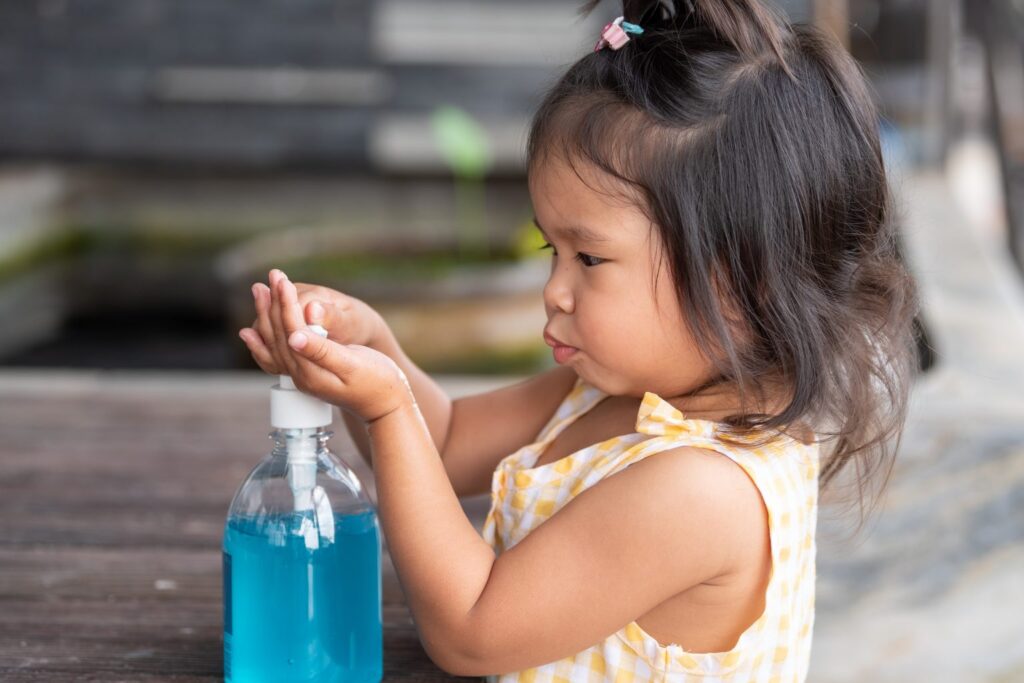
The Sanitizer Habit That Won’t Go Away
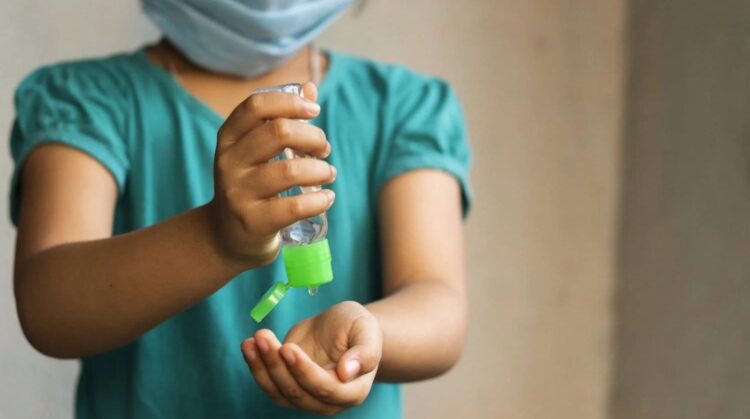
COVID changed us. We all remember those early lockdown days. Sanitizer bottles at every doorstep. Pumping gel on our children’s hands 20 times a day. Schools making kids sanitize every hour.
The pandemic ended. But the habit stayed.
I still see parents in my clinic pulling out sanitizer bottles the moment their child touches something. Some children carry sanitizer in their school bags and use it constantly. This worries me. Because too much of a good thing becomes a bad thing.
सॅनिटायझरची सवय जी अजून संपलेली नाही
कोविडने आपली सवय बदलली. लॉकडाऊनच्या पहिल्या दिवसांची आठवण आहे ना? प्रत्येक दाराजवळ सॅनिटायझरच्या बाटल्या. दिवसभर मुलांच्या हातावर जंतुनाशक ओतणे. शाळांमध्ये तासातून तास मुलांना सॅनिटायझर लावणे.
आता महामारी संपली. पण ही सवय अजूनही टिकून आहे.
क्लिनिकमध्ये अजूनही मी पाहतो, बरेच पालक मुलाने काही स्पर्श केला की लगेच बाटली काढतात. काही मुलं शाळेच्या बॅगेत छोट्या सॅनिटायझरच्या बाटल्या ठेवतात आणि सतत वापरतात. ही गोष्ट चिंताजनक आहे. कारण चांगली गोष्टही जास्त झाली की नुकसान करू लागते.
What’s Inside Your Child’s Hand Sanitizer?
Most sanitizers contain 60% to 95% alcohol as the active ingredient. This is usually ethanol or isopropanol. That’s the same alcohol found in liquor, just in a gel form.
Beyond alcohol, sanitizers contain water, glycerin for moisture, fragrance chemicals, and sometimes carbomer as a thickening agent. Some brands add colors and fruity scents that make the product attractive to children.
Here’s what concerns doctors. The FDA found that some sanitizer brands contain methanol, also known as wood alcohol. Methanol is toxic. It causes blindness, nervous system damage, and even death if swallowed. Many of these contaminated products have been recalled, but not all countries have strict enforcement.
Some sanitizers also contain contaminants like acetaldehyde, benzene, and ethyl acetate. These are chemicals you don’t want anywhere near your child’s skin.
तुमच्या मुलाच्या सॅनिटायझरमध्ये नक्की काय असतं?
जास्तीतजास्त हँड सॅनिटायझरमध्ये 60% ते 95% अल्कोहोल असतं. साधारणपणे इथेनॉल किंवा आयसोप्रोपॅनॉल. हाच अल्कोहोल दारूमध्ये असतो, फक्त इथे जेलच्या स्वरूपात असतो.
अल्कोहोलशिवाय त्यात पाणी, हात कोरडे पडू नयेत म्हणून ग्लिसरीन, सुगंधी केमिकल्स आणि द्रव घट्ट करण्यासाठी काही घटक असतात. काही ब्रँड्स रंग आणि फळांच्या वासाचे सुगंध घालतात, जे मुलांना खूप आकर्षक वाटतात.
इथे डॉक्टरांना जी काळजी वाटते ती म्हणजे काही सॅनिटायझरमध्ये मेथॅनॉल नावाचा घातक प्रकारचा अल्कोहोल आढळला आहे. याला “वूड अल्कोहोल” म्हणतात. मेथॅनॉल विषारी असतो. तो प्यायल्यास अंधत्व, झटके, मेंदूचे नुकसान आणि मृत्यूसुद्धा होऊ शकतो. अशा बऱ्याच ब्रँड्सना परत मागवण्यात आले, पण सगळीकडे कडक तपासणी होत नाही.
काही सॅनिटायझरमध्ये अॅसिटाल्डिहाइड, बेंझीन, इथिल अॅसिटेटसारखे केमिकल्सही कमी प्रमाणात सापडले आहेत. ही कोणत्याही मुलाच्या त्वचेच्या जवळसुद्धा नसावीत अशी रसायने आहेत.
The AIIMS Data That Should Alarm You
India saw a massive spike in sanitizer-related poisoning during and after COVID. A study from AIIMS New Delhi found an 8-fold increase in hand sanitizer poisoning calls during the lockdown period.
In 2024, the National Poisons Information Centre at AIIMS handled 6,197 poisoning calls. Over 2,600 of them involved children under 6 years. The unusual spike in 2022 was largely driven by hand sanitizer poisoning.
Children aged 1 to 5 years are most vulnerable. They’re curious. They put things in their mouths. Sanitizer bottles with fruity smells and bright colors look like drinks to a toddler.
Drinking even a small amount of hand sanitizer can cause alcohol poisoning in children. Symptoms include drowsiness, loss of balance, low blood sugar, seizures, and coma.
AIIMS ची आकडेवारी जी डोळे उघडते
कोविडच्या काळात आणि त्यानंतर भारतात सॅनिटायझरमुळे विषबाधेच्या घटना खूप वाढल्या. AIIMS नवी दिल्लीच्या अभ्यासानुसार लॉकडाऊनदरम्यान हँड सॅनिटायझरमुळे विषबाधेच्या फोन कॉल्समध्ये जवळजवळ ८ पट वाढ झाली.
२०२४ मध्ये नॅशनल पॉइझन इन्फॉर्मेशन सेंटर (AIIMS) ला एकूण ६,१९७ विषबाधा कॉल्स आले. त्यापैकी २,६०० हून अधिक कॉल्स ६ वर्षांखालील मुलांबद्दल होते. २०२२ मध्ये झालेली विशेष वाढ मुख्यतः हँड सॅनिटायझरशी संबंधित होती.
१ ते ५ वर्षे वयोगटातील मुलं सगळ्यात जास्त धोक्यात असतात. ते जिज्ञासू असतात, सगळं तोंडात घालून पाहतात. फळांच्या वासाचे, रंगीत सॅनिटायझर त्यांच्या दृष्टीने पेयासारखे दिसतात.
थोडंसंसुद्धा सॅनिटायझर प्यायल्यावर लहान मुलांना अल्कोहोल विषबाधा होऊ शकते. झोप येणं, तोल जाणं, साखर कमी होणं, झटके येणं, बेशुद्ध पडणं अशी लक्षणं दिसू शकतात.
What Excessive Sanitizer Use Does to Your Child
Destroys the Skin Barrier
Your child’s skin is delicate. Alcohol strips away natural oils. Repeated use causes dryness, cracking, peeling, redness, and irritation. A case study showed a 13-year-old girl developing severe contact dermatitis from excessive sanitizer use during COVID. Her hands looked like an old person’s hands, she said.
Cracked skin is not just painful. It creates entry points for bacteria and viruses. The very thing you’re trying to prevent actually gets easier when the skin barrier breaks down.
Kills Good Bacteria Too
This is the part most parents don’t know. Your child’s skin has trillions of good bacteria. These friendly microbes train your child’s immune system. They protect against harmful germs. They regulate inflammation.
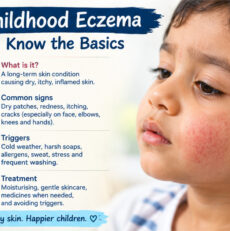
Sanitizer doesn’t discriminate. It kills everything. Good bacteria, bad bacteria, all gone. Over time, this disrupts the skin microbiome. Research shows this can lead to eczema, atopic dermatitis, and increased vulnerability to infections.
A 2024 study confirmed that excessive hand sanitizer use disrupts both the skin and gut microbiome. The close connection between skin and gut means overuse can cause gut dysbiosis, inflammation, and weakened immunity.
Weakens Your Child’s Immunity
This connects to the hygiene hypothesis. Children need exposure to some germs to build a strong immune system. When you sanitize everything, their immune system never learns to fight.
Research shows that too much sterilization in early life increases the risk of asthma, eczema, allergies, and even inflammatory bowel diseases.
Your child’s immune system is like a muscle. It needs training. Sanitizer takes away the training ground.
Eye Injuries
Children rub their eyes constantly. If they’ve just used sanitizer, alcohol enters the eyes. This causes burning, redness, and conjunctival irritation. Sanitizer dispensers at child height in malls and schools can squirt directly into little eyes.
Risk of Antimicrobial Resistance
Here’s a long-term concern. When bacteria are repeatedly exposed to sanitizer chemicals, some resistant strains survive and multiply. This contributes to antimicrobial resistance, one of the biggest global health threats.
We’re creating superbugs by overusing sanitizers.
जास्त सॅनिटायझर वापरामुळे मुलाच्या शरीरात काय होतं?
१. त्वचेचा संरक्षण थर नष्ट होतो
मुलांची त्वचा खूप नाजूक असते. अल्कोहोल नैसर्गिक तेलं काढून टाकतो. पुन्हा पुन्हा वापरल्याने हात कोरडे पडतात, चिरा पडतात, कातडी सोलते, लालसरपणा आणि खाज येते. कोविडच्या काळात एका १३ वर्षांच्या मुलीला सतत सॅनिटायझर वापरल्यामुळे हातांवर इतका त्रास झाला की तिचे हात वृद्ध व्यक्तींसारखे दिसत होते, असे केस रिपोर्ट्समध्ये नोंदले आहे.
फुटलेली त्वचा फक्त त्रासदायक नसते. तेथून जंतू आणि विषाणू शरीरात जाण्यासाठी रस्ता उघडतो. ज्या इन्फेक्शनपासून आपण वाचवू पाहतो, त्यांना आत घुसणे आणखी सोपे होते.
२. चांगले जंतूही मरतात
आपल्या मुलाच्या त्वचेवर अब्जावधी चांगले जंतू असतात. हेच “गुड बॅक्टेरिया” त्याची रोगप्रतिकारशक्ती शिकवतात, वाईट जंतूंपासून वाचवतात आणि सूज नियंत्रित ठेवतात.
सॅनिटायझर कुणालाच ओळखत नाही. चांगले जंतू, वाईट जंतू सगळ्यांना एकत्र मारतो. हळूहळू त्वचेचा नैसर्गिक मायक्रोबायोम बिघडतो. संशोधन सांगते की यामुळे एक्झिमा, अॅटॉपिक डर्मटायटिस आणि इतर त्वचेचे आजार वाढू शकतात.
२०२४ च्या अभ्यासानुसार जास्त सॅनिटायझर वापरामुळे फक्त त्वचेच नाही तर आतड्यांतील जंतूंच्या जगावरसुद्धा परिणाम होतो. त्वचा आणि आतडे यांचा जवळचा संबंध असल्याने हे बदल सूज, पचनबिघाड आणि कमी रोगप्रतिकारशक्तीला कारणीभूत ठरू शकतात.
३. रोगप्रतिकारशक्ती कमकुवत होते
ही थोडी खोल पण महत्त्वाची गोष्ट आहे. “हायजीन हायपोथेसिस” म्हणते, लहानपणी थोडेफार जंतू शरीरात गेले तरच इम्यून सिस्टीम मजबूत बनते. आपण सगळंच निर्जंतुक केलं तर त्याला लढायलाच काही मिळत नाही.
लहान वयात अतिस्वच्छता केल्याने आयुष्यात पुढे दम्याचा त्रास, एक्झिमा, अलर्जी आणि इन्फ्लेमेटरी बावेल डिसीज जास्त प्रमाणात दिसतात, असे अनेक अभ्यास दाखवतात.
तुमच्या मुलाची रोगप्रतिकारशक्ती म्हणजे एक स्नायू आहे, त्याला काम मिळाले पाहिजे. सॅनिटायझर सतत वापरल्याने त्या स्नायूला व्यायामच मिळत नाही.
४. डोळ्यांना इजा
मुलं सतत डोळे चोळतात. हातावर सॅनिटायझर असताना त्यांनी डोळ्यांना स्पर्श केला तर अल्कोहोल थेट डोळ्यांवर जातो. त्यामुळे जळजळ, पाणी येणं, लालसरपणा, कंजंक्टिव्हायटिससारखी लक्षणं दिसू शकतात. मॉल्स, शाळा किंवा इतर ठिकाणी लहान मुलांच्या उंचीवर बसवलेले ऑटोमॅटिक डिस्पेन्सर थेट त्यांच्या चेहऱ्यावर फवारा मारू शकतात.
५. अँटिमायक्रोबियल रेझिस्टन्सचा धोका
हे थोडं लांबचं पण गंभीर परिणाम आहेत. सतत त्याच केमिकल्सच्या संपर्कात आलेल्या काही बॅक्टेरिया त्यापासून वाचायला शिकतात. अशा “टिकाऊ” जंतूंमुळे भविष्यात औषधे कमी काम करू लागतात. यालाच अँटिमायक्रोबियल रेझिस्टन्स म्हणतात. हा जगभरातला मोठा धोका आहे.
आपण नकळत जास्त सॅनिटायझर वापरून सुपरबग्ज तयार करतोय.
What Sanitizer Cannot Do
Parents assume sanitizer kills everything. It doesn’t.
Sanitizer does not remove dirt, grease, or visible grime. It doesn’t kill all types of germs. Norovirus, Cryptosporidium, and Clostridium difficile survive sanitizer treatment.
When your child’s hands are visibly dirty, sanitizer is almost useless. Soap and water is the only effective solution.
सॅनिटायझर काय करू शकत नाही?
बरेच पालक समजतात की सॅनिटायझर सर्व काही मारतो. तसं नाही.
हात चिखलाने, तेलाने किंवा घाणीनं माखले असतील तर सॅनिटायझर जवळजवळ काहीच उपयोगी नाही. तो घाण काढू शकत नाही. काही विशिष्ट जंतू (जसे नॉरोव्हायरस, क्लॉस्ट्रिडियम डिफिसिल) सॅनिटायझरनंतरही जिवंत राहू शकतात.
हात घाणेरडे असतील तर साबण आणि पाणी हा एकमेव योग्य पर्याय आहे.
The Best Alternative: Good Old Soap and Water
The CDC, WHO, and every major health organization says the same thing. Washing hands with soap and clean water for at least 20 seconds is the best way to remove germs.
Soap works differently from sanitizer. It doesn’t just kill germs. It lifts them off the skin and washes them away. It removes dirt, chemicals, and germs that sanitizer cannot touch.
Teach your child the 20-second rule. Wet hands. Apply soap. Scrub all surfaces including between fingers and under nails. Rinse thoroughly. Dry with a clean towel.
Make it fun. Sing a short song. Use colorful soap. Let them choose their own soap bar.
सर्वोत्तम पर्याय: आपला जुना मित्र साबण आणि पाणी
CDC, WHO आणि सर्व मोठ्या आरोग्य संस्था एकच गोष्ट सांगतात. स्वच्छ पाण्याने आणि साबणाने किमान २० सेकंद हात धुणे हा जंतू दूर करण्याचा सर्वात सुरक्षित आणि सर्वात प्रभावी मार्ग आहे.
साबण वेगळ्या पद्धतीने काम करतो. तो जंतू फक्त मारत नाही, तर त्वचेवरचं तेल, घाण आणि जंतू सगळं सैल करून पाण्याबरोबर वाहून नेत असतो. हे सॅनिटायझर करू शकत नाही.
मुलांना २० सेकंदाचा नियम शिकवा. हात ओले करा. साबण लावा. हाताची सर्व पृष्ठभाग, बोटांमधले भाग, नखांखाली नीट घासून धुवा. मग स्वच्छ पाण्याने धुऊन टॉवेलने पुसा.
हे मजेशीर करा. गाणं म्हणत हात धुवा. रंगीत साबण वापरा. मुलांना त्यांचा साबण स्वतः निवडू द्या.
When Sanitizer Is Actually Appropriate
Sanitizer has its place. Don’t throw it away. Use it wisely.
Use sanitizer only when soap and water are genuinely not available. Traveling. Public transport. Outdoor events. Waiting rooms where washing is not possible.
Apply a coin-sized amount to dry hands. Rub all surfaces for 20 seconds until completely dry. Do not wipe it off. Do not rinse it.
Always supervise children under 5 when using sanitizer. Keep bottles out of their reach when not in use.
सॅनिटायझर कधी खरंच उपयोगी आहे?
सॅनिटायझर पूर्ण वाईट नाही. त्याचंही योग्य वेळेला काम आहे.
जेव्हा साबण-पाणी अजिबात उपलब्ध नसतं तेव्हा सॅनिटायझर योग्य आहे. प्रवासात, बस-ट्रेनमध्ये, बाहेर कुठे टॅप नसताना, हॉस्पिटलच्या वेटिंग एरियात इ.
अशा वेळी कोरड्या हातावर एक नाण्याएवढं सॅनिटायझर घ्या. हाताची सर्व बाजू २० सेकंद नीट चोळा तोपर्यंत जोपर्यंत पूर्ण कोरडे होत नाहीत. सॅनिटायझर लावून टिश्यूने पुसून टाकणे किंवा लगेच पाण्याने धुणे चुकीचे आहे.
५ वर्षांखालील मुलांनी सॅनिटायझर नेहमी पालकांच्या देखरेखीखालीच वापरावा. बाटली नेहमी त्यांच्या आवाक्याबाहेर ठेवा.
Safe Practices Every Indian Parent Should Follow
Choose sanitizer with 60% to 70% ethanol. Avoid products with methanol. Check labels carefully.
Avoid sanitizers with fruity smells, bright colors, or flavored options. These attract children and increase accidental ingestion risk.
Store sanitizer in locked cabinets at home. Remove travel-size bottles from purses, diaper bags, and car compartments that children can access.
Never let your child use sanitizer near their eyes or mouth. Teach older children to keep their hands away from their face immediately after application.
If your child has eczema or sensitive skin, apply moisturizer after sanitizer use to protect the skin barrier.
सुरक्षित वापरासाठी काही सोप्या नियम
सॅनिटायझर नेहमी ६०–७०% इथेनॉल असलेला निवडा. मेथॅनॉल असलेले उत्पादन टाळा. लेबल नीट वाचा.
फळांच्या वासाचे, चॉकलेट किंवा टूटी-फ्रूटी सुगंधाचे, रंगीबेरंगी जेल्स टाळा. हे मुलांसाठी जास्त आकर्षक असतात आणि ते प्यायची शक्यता वाढते.
घरी सॅनिटायझर लॉक असलेल्या कपाटात ठेवा. कार, पर्स, डायपर बॅगमध्ये मुलांच्या हाताला बसेल अशा ठिकाणी छोट्या बाटल्या ठेवू नका.
मुलं सॅनिटायझर लावल्यानंतर लगेच डोळे, तोंड, नाकाला हात लावत नाहीत याची काळजी घ्या. मोठ्या मुलांना हे स्पष्ट समजावा.
जर मुलाला आधीपासून eczema / skin allergy असेल तर सॅनिटायझरनंतर सौम्य मॉइश्चरायझर हातांवर लावा.
Tips to Prevent Overuse
Stop sanitizing at home. You have soap and water. Use them.
Don’t send sanitizer bottles to school unless the school lacks handwashing facilities.
Limit sanitizer use to 2 to 3 times per day when outside. Not 20 times.
Talk to your child’s school. Ask them to prioritize handwashing over sanitizer.
Allow your child to get a little dirty. Playing in mud, touching surfaces, interacting with the environment builds immunity.
Don’t sanitize your child’s hands before every meal if a sink is available nearby. Walk to the sink instead.
ओव्हरयुज टाळण्यासाठी सोप्या टिप्स
घरी असताना “पहिला पर्याय सॅनिटायझर” ही सवय थांबवा. साबण-पाणी आहेच. त्याचाच वापर करा.
शाळेत मुलाच्या बॅगेत सॅनिटायझर देण्याची गरज नसते, जर शाळेत पुरेशा हात धुण्याची सुविधा असतील.
बाहेर असताना दिवसातून २–३ वेळा सॅनिटायझर चालेल. पण प्रत्येक १० मिनिटांनी नाही.
शाळेशी बोला. “फक्त सॅनिटायझर” नको, शक्य तिथे साबण-पाण्याने हात धुण्यावर भर द्यावा.
मुलाला थोडंफार मळू द्या. मातीमध्ये खेळणं, खेळाच्या मैदानात धावणं, झाडांना स्पर्श करणं यामुळेच इम्युनिटी मजबूत बनते.
प्रत्येक जेवणापूर्वी सॅनिटायझर लावण्याऐवजी सिंककडे घेऊन जा. हात धुण्याची खरी सवय लावा.
Hand sanitizer saved lives during COVID. Nobody denies that. But the pandemic is over. The excessive use must stop.
Your child needs clean hands, not sterile hands. There’s a difference. Clean hands come from soap and water. Sterile hands come from chemical overuse that damages skin, kills good bacteria, weakens immunity, and creates long-term health problems.
Use sanitizer when you truly need it. Soap and water for everything else. Let your child’s immune system do what it was designed to do.
Stay sensible. Stay balanced. Your child’s health depends on it.
हँड सॅनिटायझरने कोविडच्या काळात जीव वाचवले, हे खरं आहे. पण आता तीच गोष्ट अति झाली तर त्रासदायक ठरते.
तुमच्या मुलाला “स्टेराइल” हात नकोत, “स्वच्छ” हात पुरेसे आहेत. स्वच्छ हात साबण-पाण्याने मिळतात. सतत सॅनिटायझर वापरल्याने त्वचेचा त्रास, चांगल्या जंतूंचा नाश, रोगप्रतिकारशक्ती कमी होणं आणि भविष्यातील इतर आजार यांचा धोका वाढतो.
सॅनिटायझर वापरा, पण विचारपूर्वक. जेव्हा खरोखर गरज असेल तेव्हाच. उरलेल्या सगळ्या वेळेसाठी साबण आणि पाणी तुमचे आणि तुमच्या मुलाचे सर्वात विश्वासू मित्र ठेवा.
समतोल साधा. घाबरून नाही, विचार करून निर्णय घ्या. तुमच्या मुलाच्या आरोग्यावर याचा थेट परिणाम होतो.
About the Author
Dr. Suhas Sodal, MBBS, MD (Pediatrics), brings over 15 years of experience caring for children in Pimple Gurav, Pimpri, and surrounding areas.
He specializes in pediatric infectious diseases, childhood allergies and asthma, vaccines, and nutrition.
Dr. Sodal has led multiple clinical trials on vaccine safety and efficacy, ensuring evidence-based care.
His passion for pediatric nutrition drives innovative, child-friendly dietary guidance rooted in Indian traditions.
Families in Pimple Gurav, Pimple Saudagar, Rahatani, Wakad, Aundh, Dapodi, Sangvi, Bhosari, Pimpri, and Vallabh Nagar trust his expertise.
He practices at IRA Children’s Clinic in Pimple Gurav, offering personalized treatment plans for every child.
Dr. Sodal’s holistic approach blends modern medicine with practical nutritional advice for optimal growth.
His clinic is known for compassionate care, helping children thrive through preventive and curative services.
Parents seeking reliable pediatric advice can reach IRA Children’s Clinic at 7276012600.
Dr. Sodal remains dedicated to advancing child health and wellness in the Pune region.
लेखकाबद्दल

डॉ. सुहास सोडल, एमबीबीएस, एमडी (बालरोगशास्त्र) यांना पिंपळे गुरव, पिंपरी आणि आसपासच्या परिसरातील मुलांची काळजी घेण्याचा १५ वर्षांहून अधिक अनुभव आहे.
ते बालरोग संसर्गजन्य रोग, बालपणीच्या ऍलर्जी आणि दमा, लस आणि पोषण या विषयांमध्ये तज्ज्ञ आहेत.
डॉ. सोडल यांनी लसीची सुरक्षितता आणि परिणामकारकता यावर अनेक क्लिनिकल चाचण्यांचे नेतृत्व केले आहे, ज्यामुळे पुराव्यावर आधारित काळजी सुनिश्चित होते.
बालरोग पोषणाबद्दलची त्यांची आवड भारतीय परंपरांमध्ये रुजलेली नाविन्यपूर्ण, बाल-अनुकूल आहार मार्गदर्शन करते.
पिंपळे गुरव, पिंपळे सौदागर, रहाटणी, वाकड, औंध, दापोडी, सांगवी, भोसरी, पिंपरी आणि वल्लभ नगरमधील कुटुंबे त्यांच्या कौशल्यावर विश्वास ठेवतात.
ते पिंपळे गुरव येथील आयआरए चिल्ड्रन्स क्लिनिकमध्ये प्रॅक्टिस करतात, प्रत्येक मुलासाठी वैयक्तिकृत उपचार योजना देतात.
डॉ. सोडल यांचा समग्र दृष्टिकोन आधुनिक औषधांना इष्टतम वाढीसाठी व्यावहारिक पौष्टिक सल्ल्यासह एकत्रित करतो.
त्यांचे क्लिनिक दयाळू काळजीसाठी ओळखले जाते, प्रतिबंधात्मक आणि उपचारात्मक सेवांद्वारे मुलांना भरभराट करण्यास मदत करते.
विश्वसनीय बालरोग सल्ला मिळवणाऱ्या पालकांना इरा चिल्ड्रन्स क्लिनिकशी ७२७६०१२६०० या क्रमांकावर संपर्क साधता येईल.
डॉ. सोडल पुणे प्रदेशात बाल आरोग्य आणि निरोगीपणा वाढवण्यासाठी समर्पित आहेत.
Disclaimer:
काळजीपूर्वक लक्षात घ्या:

Leave a comment