
September 11, 2026
The Diseases We Thought We Had Left Behind, Knocking Again
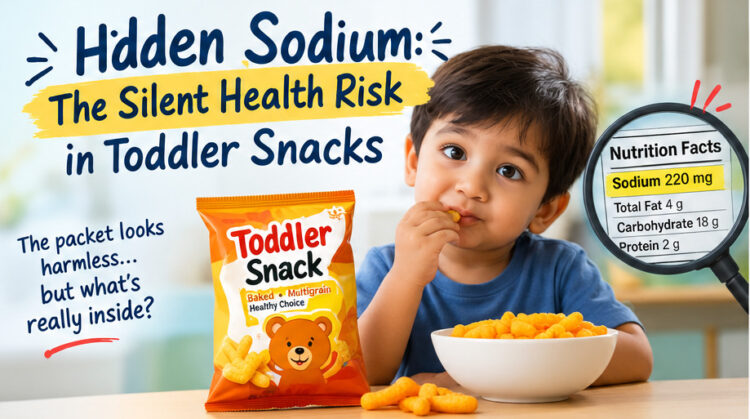
लपलेले सोडियम: लहान मुलांच्या स्नॅक्समधील आरोग्याला असलेला एक छुपा धोका
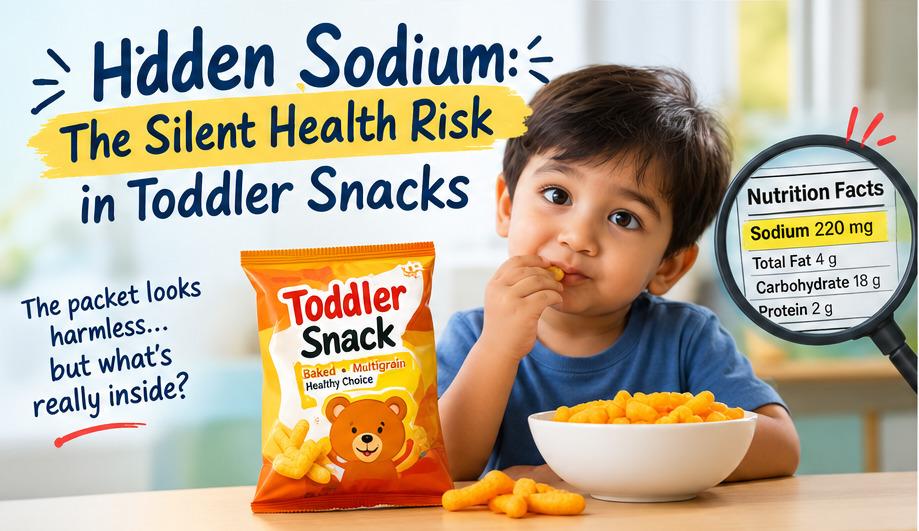
The packet looks harmless
It is palm-sized, brightly coloured and often stamped with reassuring words such as “baked,” “multigrain” or “made for toddlers.” Surely something designed for a young child must be healthy. Right?
Not necessarily.
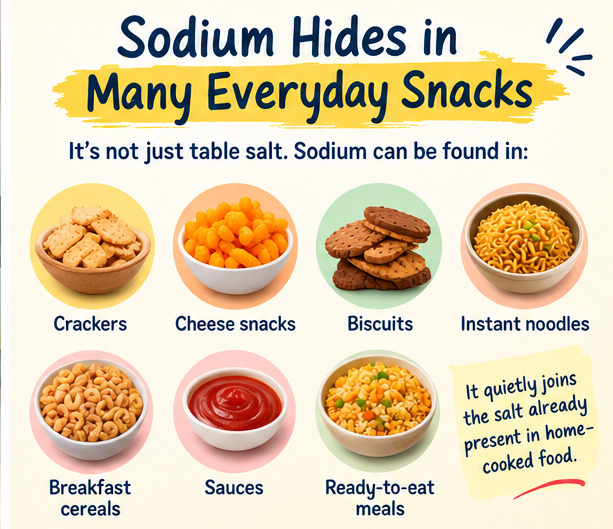
Sodium does not arrive with a warning bell. It hides in crackers, cheese snacks, biscuits, instant noodles, breakfast cereals, sauces and ready-to-eat meals. It then quietly joins the salt already present in home-cooked food.
हे पॅकेट निरुपद्रवी दिसते

ते तळहाताच्या आकाराचे, चमकदार रंगाचे असते आणि त्यावर अनेकदा “बेक्ड,” “मल्टीग्रेन” किंवा “लहान मुलांसाठी बनवलेले” यांसारखे आश्वासक शब्द छापलेले असतात. लहान मुलांसाठी बनवलेली कोणतीही वस्तू नक्कीच आरोग्यदायी असली पाहिजे, नाही का?
तसे असेलच असे नाही.
सोडियम धोक्याची सूचना देत येत नाही. ते क्रॅकर्स, चीझ स्नॅक्स, बिस्किटे, इन्स्टंट नूडल्स, ब्रेकफास्ट सिरियल्स, सॉस आणि रेडी-टू-इट जेवणांमध्ये लपलेले असते. मग ते घरातल्या जेवणात आधीच असलेल्या मिठात शांतपणे मिसळून जाते.
“But it doesn’t even taste salty”
Parents often taste a snack and decide that it cannot contain much sodium because it is not noticeably salty. Unfortunately, our tongue is a poor measuring instrument.
Sodium may come from baking soda, preservatives, flavour enhancers and cheese powders, not only from table salt. Familiar foods such as bread and breakfast cereal can also contribute to the total.
Around three-quarters of the salt people consume comes from packaged and everyday foods. The problem is rarely one dramatic snack. It is repetition. A little packet every afternoon can eventually become the child’s normal.
"पण त्याला खारट चवही येत नाही"

पालक अनेकदा एखादा खाऊ चाखून पाहतात आणि तो लक्षणीयरीत्या खारट नसल्यामुळे त्यात जास्त सोडियम असू शकत नाही, असा निष्कर्ष काढतात. दुर्दैवाने, आपली जीभ हे मोजमाप करण्याचे एक अयोग्य साधन आहे.
सोडियम केवळ साध्या मिठातूनच नव्हे, तर बेकिंग सोडा, प्रिझर्व्हेटिव्ह्ज, फ्लेवर एनहान्सर्स आणि चीज पावडरमधूनही येऊ शकते. ब्रेड आणि ब्रेकफास्ट सिरियलसारखे परिचित पदार्थ देखील एकूण सोडियमच्या प्रमाणात भर घालू शकतात.
लोक जे मीठ खातात, त्यापैकी सुमारे तीन-चतुर्थांश मीठ हे पॅकेज केलेल्या आणि रोजच्या वापरातील पदार्थांमधून येते. समस्या क्वचितच एखाद्या विशिष्ट खाऊमुळे निर्माण होते. ती समस्या म्हणजे त्याची पुनरावृत्ती. दररोज दुपारी एक लहान पाकीट खाणे ही कालांतराने त्या मुलाची सवय बनू शकते.
How much salt can a toddler have?
For children aged one to three years, the NHS advises no more than 2 grams of salt per day. That is roughly equivalent to 800 milligrams of sodium.
The US National Academies also sets an adequate sodium intake of 800 mg daily for this age group. Its chronic-disease risk-reduction level is 1,200 mg (National Academies review).
These figures describe different nutritional benchmarks, but they reveal something useful: a toddler’s daily sodium runway is surprisingly short.
लहान मूल किती मीठ खाऊ शकते?

एक ते तीन वर्षे वयोगटातील मुलांसाठी, एनएचएस (NHS) दररोज २ ग्रॅमपेक्षा जास्त मीठ न खाण्याचा सल्ला देते. हे अंदाजे ८०० मिलिग्रॅम सोडिअमच्या समतुल्य आहे.
यूएस नॅशनल अकॅडेमीजने (US National Academies) देखील या वयोगटासाठी दररोज ८०० मिलिग्रॅम सोडिअमचे पुरेसे सेवन निश्चित केले आहे. दीर्घकालीन आजारांचा धोका कमी करण्यासाठीची त्यांची पातळी १,२०० मिलिग्रॅम आहे (नॅशनल अकॅडेमीजचा आढावा).
हे आकडे वेगवेगळे पौष्टिक मापदंड दर्शवतात, परंतु त्यातून एक उपयुक्त गोष्ट समोर येते: लहान मुलांसाठी दररोजच्या सोडिअमची मर्यादा आश्चर्यकारकपणे कमी असते.
One packet can take a large bite
A analysis examined 1,037 commercial foods made for infants and toddlers. In 2015, 81% of the toddler meals studied contained more than 210 mg of sodium per serving.
One such serving could use more than a quarter of an 800 mg day. That is before adding bread, cheese, curd, family meals and another snack.
“Child-friendly” on the front is marketing. The nutrition panel is evidence.
एका पॅकेटमधून मोठा घास घेतला जाऊ शकतो.

एका विश्लेषणात शिशु आणि लहान मुलांसाठी बनवलेल्या १,०३७ व्यावसायिक खाद्यपदार्थांची तपासणी करण्यात आली. २०१५ मध्ये, अभ्यास केलेल्या लहान मुलांच्या जेवणांपैकी ८१% जेवणांमध्ये प्रति सर्व्हिंग २१० मिग्रॅ पेक्षा जास्त सोडियम आढळले.
अशा एका सर्व्हिंगमधून ८०० मिग्रॅ दिवसाच्या एक चतुर्थांशपेक्षा जास्त सोडियम वापरले जाऊ शकते. आणि यात ब्रेड, चीज, दही, फॅमिली मील्स आणि दुसरा स्नॅक यांचा समावेश करण्यापूर्वीची ही आकडेवारी आहे.
पुढच्या बाजूला लिहिलेले “मुलांसाठी अनुकूल” हे केवळ मार्केटिंग आहे. पोषण माहिती देणारी माहिती हा एक पुरावा आहे.
A salty palate begins early
Why worry when the child looks perfectly healthy? Because food preferences are being trained long before blood pressure becomes a family concern.
In one study, babies exposed early to starchy table foods, a common source of sodium, consumed 55% more salt during a preference test than babies who had not received those foods.
Early exposure does not permanently decide a child’s future diet. It can, however, teach the palate that strongly salted food is what food is supposed to taste like.
खारट चवीची सवय लहानपणापासूनच लागते.

जेव्हा मूल पूर्णपणे निरोगी दिसत असेल, तेव्हा काळजी का करावी? कारण रक्तदाब ही कौटुंबिक चिंतेची बाब बनण्याच्या खूप आधीपासूनच अन्नाच्या आवडीनिवडींना प्रशिक्षण दिले जात असते.
एका अभ्यासात, ज्या बाळांना लहानपणीच पिष्टमय घरगुती पदार्थ (सोडियमचा एक सामान्य स्रोत) खायला दिले गेले, त्यांनी चव चाचणीदरम्यान, ज्या बाळांना ते पदार्थ दिले गेले नव्हते त्यांच्या तुलनेत ५५% जास्त मीठ खाल्ले.
लहान वयातच अशा पदार्थांचा परिचय झाल्याने मुलाचा भविष्यातील आहार कायमस्वरूपी ठरत नाही. तथापि, त्यामुळे जिभेला हे शिकवता येते की, जास्त खारट पदार्थांची चव अशीच असायला हवी.
What does sodium do to blood pressure?
A systematic review included 85 studies involving 58,531 children and adolescents. It found a small, roughly linear rise in blood pressure as sodium intake increased.
Across the pooled evidence, every additional gram of sodium consumed per day was associated with an approximately 0.6 mm Hg increase in systolic blood pressure.
That sounds tiny for one child on one afternoon. Across several years and millions of children, tiny changes stop looking trivial.
सोडियमचा रक्तदाबावर काय परिणाम होतो?

एका पद्धतशीर पुनरावलोकनात ५८,५३१ मुले आणि किशोरवयीन मुलांचा समावेश असलेल्या ८५ अभ्यासांचा समावेश होता. त्यात असे आढळून आले की, सोडियमचे सेवन वाढल्याने रक्तदाबात थोडी, साधारणपणे रेषीय वाढ होते.
एकत्रित पुराव्यांनुसार, दररोज सेवन केलेल्या सोडियमच्या प्रत्येक अतिरिक्त ग्रॅममुळे सिस्टोलिक रक्तदाबात अंदाजे ०.६ मिमी एचजी वाढ दिसून आली.
एका दुपारी एका मुलासाठी हे प्रमाण अगदीच कमी वाटेल. पण अनेक वर्षे आणि लाखो मुलांच्या बाबतीत, हे छोटे बदल क्षुल्लक वाटत नाहीत.
Learn to read the label
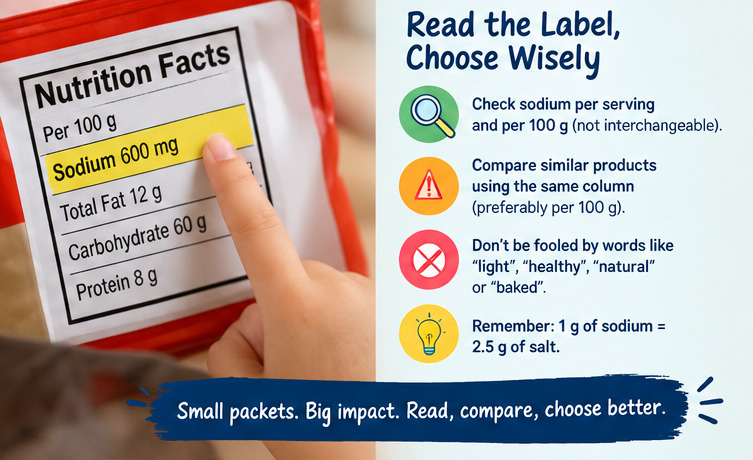
First, check whether sodium is listed per serving or per 100 grams. These are not interchangeable.
Suppose a snack contains 300 mg of sodium per 100 g. A 30 g serving would provide 90 mg, but only if the child eats exactly 30 g. Toddlers do not always respect the serving size printed on a packet.
Remember this simple conversion: 1 gram of sodium equals approximately 2.5 grams of salt.
Compare similar products using the same column, preferably the amount per 100 g. Do not rely on words such as “light,” “healthy,” “natural” or “baked.”
UNICEF has warned that commercial foods for young children may display reassuring health claims even when they contain high levels of salt, sugar or fat.
लेबल वाचायला शिका.

सर्वप्रथम, सोडियम प्रति सर्व्हिंगनुसार दिले आहे की प्रति १०० ग्रॅमनुसार, हे तपासा. या दोन्ही गोष्टी एकसारख्या नाहीत.
समजा, एका स्नॅकमध्ये प्रति १०० ग्रॅम ३०० मिग्रॅ सोडियम आहे. ३० ग्रॅमच्या सर्व्हिंगमधून ९० मिग्रॅ सोडियम मिळेल, पण ते तेव्हाच, जेव्हा मूल नेमके ३० ग्रॅम खाईल. लहान मुले पॅकेटवर छापलेल्या सर्व्हिंगच्या प्रमाणाचे नेहमीच पालन करत नाहीत.
हे सोपे रूपांतरण लक्षात ठेवा: १ ग्रॅम सोडियम म्हणजे अंदाजे २.५ ग्रॅम मीठ.
समान उत्पादनांची तुलना करण्यासाठी एकाच स्तंभाचा वापर करा, शक्यतो प्रति १०० ग्रॅम प्रमाणाचा. “लाईट,” “हेल्दी,” “नॅचरल” किंवा “बेक्ड” यांसारख्या शब्दांवर अवलंबून राहू नका.
युनिसेफने इशारा दिला आहे की लहान मुलांसाठीच्या व्यावसायिक खाद्यपदार्थांमध्ये मीठ, साखर किंवा चरबीचे प्रमाण जास्त असले तरीही, त्यावर आरोग्याविषयी आश्वासक दावे केलेले असू शकतात.
What should parents offer instead?
This is not an argument for flavourless food. Sodium is an essential nutrient, and toddlers do not require a completely sodium-free diet.
The sensible goal is to reset the baseline. Offer soft fruit, plain curd, egg, idli, homemade poha or upma, and age-appropriate cooked vegetables more frequently. Keep packaged snacks occasional rather than automatic.
When preparing a toddler’s meal, use very little salt. Additional seasoning can be added to the adults’ portions later.
India’s 2024 dietary guidelines advise avoiding salt in complementary foods or keeping it to the bare minimum.
Palates adapt. Give them the chance.
पालकांनी त्याऐवजी काय द्यावे?
हा चवहीन अन्नासाठीचा युक्तिवाद नाही. सोडियम हे एक आवश्यक पोषक तत्व आहे आणि लहान मुलांना पूर्णपणे सोडियम-मुक्त आहाराची आवश्यकता नसते.
मूळ पातळी पुन्हा स्थापित करणे हे एक सुज्ञ ध्येय आहे. मऊ फळे, साधे दही, अंडे, इडली, घरी बनवलेले पोहे किंवा उपमा आणि वयानुसार शिजवलेल्या भाज्या अधिक वेळा द्या. पॅकबंद स्नॅक्स आपोआप देण्याऐवजी अधूनमधून द्या.
लहान मुलांचे जेवण बनवताना, अगदी कमी मीठ वापरा. मोठ्यांच्या वाट्यामध्ये अतिरिक्त मसाले नंतर घालता येतील.
भारताच्या २०२४ च्या आहारविषयक मार्गदर्शक तत्त्वांनुसार, पूरक आहारात मीठ टाळण्याचा किंवा ते अगदी कमीत कमी ठेवण्याचा सल्ला दिला आहे.
चवीनुसार बदल होतो. त्यांना ती संधी द्या.
When should you ask for professional advice?
Speak to your pediatrician or a pediatric dietitian if your toddler depends heavily on packaged foods, eats an extremely restricted diet, or has kidney disease, heart disease or a medical condition affecting fluid balance.
The aim is not a perfect lunchbox. It is a child who does not need every bite to shout before it tastes like food.
व्यावसायिक सल्ला कधी घ्यावा?

जर तुमचे लहान मूल मोठ्या प्रमाणावर पॅकेज्ड (डबाबंद) अन्नावर अवलंबून असेल, अत्यंत मर्यादित आहार घेत असेल, किंवा त्याला मूत्रपिंडाचा आजार, हृदयविकार किंवा शरीरातील द्रवांच्या समतोलावर परिणाम करणारी एखादी वैद्यकीय समस्या असेल, तर तुमच्या बालरोगतज्ज्ञांशी किंवा बाल-आहारतज्ज्ञांशी चर्चा करा.
उद्देश 'परिपूर्ण' लंचबॉक्स तयार करणे हा नाही, तर अशा मुलाला घडवणे हा आहे ज्याला अन्नाची चव समजण्यासाठी प्रत्येक घासासोबत कशाची तरी 'ओरडून' जाहिरात करावी लागणार नाही.
About the Author
Dr. Suhas Sodal, MBBS, MD (Pediatrics), brings over 15 years of experience caring for children in Pimple Gurav, Pimpri, and surrounding areas.
He specializes in pediatric infectious diseases, childhood allergies and asthma, vaccines, and nutrition.
Dr. Sodal has led multiple clinical trials on vaccine safety and efficacy, ensuring evidence-based care.
His passion for pediatric nutrition drives innovative, child-friendly dietary guidance rooted in Indian traditions.
Families in Pimple Gurav, Pimple Saudagar, Rahatani, Wakad, Aundh, Dapodi, Sangvi, Bhosari, Pimpri, and Vallabh Nagar trust his expertise.
He practices at IRA Children’s Clinic in Pimple Gurav, offering personalized treatment plans for every child.
Dr. Sodal’s holistic approach blends modern medicine with practical nutritional advice for optimal growth.
His clinic is known for compassionate care, helping children thrive through preventive and curative services.
Parents seeking reliable pediatric advice can reach IRA Children’s Clinic at 7276012600.
Dr. Sodal remains dedicated to advancing child health and wellness in the Pune region.
लेखकाबद्दल

डॉ. सुहास सोडल, एमबीबीएस, एमडी (बालरोगशास्त्र) यांना पिंपळे गुरव, पिंपरी आणि आसपासच्या परिसरातील मुलांची काळजी घेण्याचा १५ वर्षांहून अधिक अनुभव आहे.
ते बालरोग संसर्गजन्य रोग, बालपणीच्या ऍलर्जी आणि दमा, लस आणि पोषण या विषयांमध्ये तज्ज्ञ आहेत.
डॉ. सोडल यांनी लसीची सुरक्षितता आणि परिणामकारकता यावर अनेक क्लिनिकल चाचण्यांचे नेतृत्व केले आहे, ज्यामुळे पुराव्यावर आधारित काळजी सुनिश्चित होते.
बालरोग पोषणाबद्दलची त्यांची आवड भारतीय परंपरांमध्ये रुजलेली नाविन्यपूर्ण, बाल-अनुकूल आहार मार्गदर्शन करते.
पिंपळे गुरव, पिंपळे सौदागर, रहाटणी, वाकड, औंध, दापोडी, सांगवी, भोसरी, पिंपरी आणि वल्लभ नगरमधील कुटुंबे त्यांच्या कौशल्यावर विश्वास ठेवतात.
ते पिंपळे गुरव येथील इरा चिल्ड्रन्स क्लिनिकमध्ये प्रॅक्टिस करतात, प्रत्येक मुलासाठी वैयक्तिकृत उपचार योजना देतात.
डॉ. सोडल यांचा समग्र दृष्टिकोन आधुनिक औषधांना इष्टतम वाढीसाठी व्यावहारिक पौष्टिक सल्ल्यासह एकत्रित करतो.
त्यांचे क्लिनिक दयाळू काळजीसाठी ओळखले जाते, प्रतिबंधात्मक आणि उपचारात्मक सेवांद्वारे मुलांना भरभराट करण्यास मदत करते.
विश्वसनीय बालरोग सल्ला मिळवणाऱ्या पालकांना इरा चिल्ड्रन्स क्लिनिकशी ७२७६०१२६०० या क्रमांकावर संपर्क साधता येईल.
डॉ. सोडल पुणे प्रदेशात बाल आरोग्य आणि निरोगीपणा वाढवण्यासाठी समर्पित आहेत.
Disclaimer:
काळजीपूर्वक लक्षात घ्या:





Leave a comment