

August 22, 2026
Fever That Won’t Break: What to Do When Paracetamol Just Isn’t Cutting It
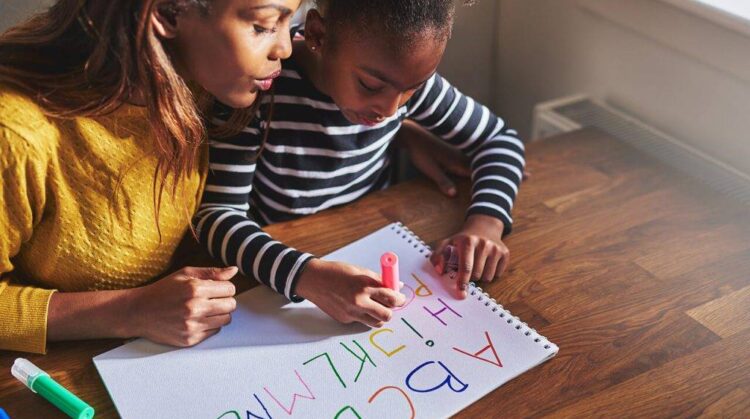
माझे मूल लिहिताना इतके हळू का असते?
The Note from School
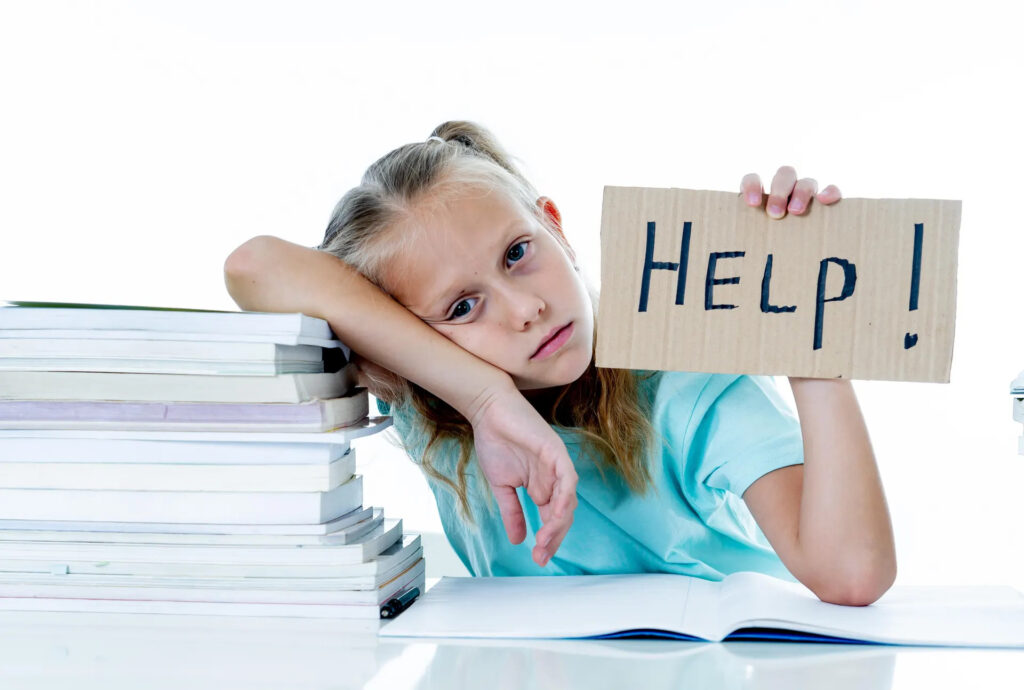
Every term, the same sentence appears in the feedback section. Your child writes slowly and is unable to complete classwork in time. And every parent reads it with that familiar mix of guilt and confusion. Is my child lazy? Should we be doing more at home? Is something wrong?
Last week, one such parent sat across from me with this exact concern. Her son was bright, talkative, curious. He could tell her everything about dinosaurs. But put a pencil in his hand and he stalled. The teacher was worried. She was worried. And nobody had told her why.
Let me try to answer that properly.
शाळेकडून आलेली ती चिठ्ठी

प्रत्येक सत्रात, अभिप्रायाच्या रकान्यात तेच वाक्य असते: "तुमचे मूल हळू लिहिते आणि वर्गातील काम वेळेत पूर्ण करू शकत नाही." आणि प्रत्येक पालक ते वाक्य वाचताना अपराधीपणा आणि गोंधळ अशा मिश्र भावनेने भरून जातो. "माझे मूल आळशी आहे का? आम्ही घरी काही अधिक प्रयत्न करायला हवेत का? काहीतरी गडबड आहे का?"

गेल्या आठवड्यात, अशीच एक पालक याच चिंतेने माझ्यासमोर येऊन बसली होती. तिचा मुलगा हुशार, बोलका आणि जिज्ञासू होता. डायनासोरबद्दलची सर्व माहिती तो तिला सांगू शकत असे. पण त्याच्या हातात पेन्सिल दिली की तो अडखळायचा. शिक्षिका चिंतेत होत्या. ती स्वतःही चिंतेत होती. आणि याचे कारण तिला कोणीच सांगितले नव्हते.

याचे योग्य उत्तर देण्याचा मी प्रयत्न करतो.
Slow Writing Is Not One Thing
Here is what most parents are not told: slow handwriting in children is not a single problem with a single cause. It is more like a symptom. Like saying “my child has a fever” — you still need to figure out what is causing it.
Research published in PMC in 2023 found that between 5% and 27% of school-age children face some form of handwriting difficulty. That is a wide number, and it is wide for a reason. Some children are slow because their fine motor skills are still catching up. Some because of attention. Some because of a specific learning difference called dysgraphia. Some because they were never explicitly taught letter formation. And some, honestly, because writing is tiring when you are gripping a pencil incorrectly and nobody has noticed.
The child who finishes last in the notebook every single day deserves a proper explanation, not just more practice drills.
हळू लिहिणे ही काही एकच समस्या नाही

बहुतेक पालकांना एक गोष्ट सांगितली जात नाही: मुलांचे हळू लिहिणे ही काही एका विशिष्ट कारणाने होणारी एकच समस्या नाही. हे एखाद्या लक्षणासारखे आहे. जसे आपण म्हणतो की "माझ्या मुलाला ताप आला आहे" — तेव्हा ताप येण्याचे नेमके कारण काय आहे, हे शोधावे लागतेच.

२०२३ मध्ये 'पीएमसी' (PMC) मध्ये प्रकाशित झालेल्या संशोधनानुसार, शालेय वयातील ५% ते २७% मुलांना हस्ताक्षराशी संबंधित काही ना काही समस्यांचा सामना करावा लागतो. हा आकडा खूप मोठा आहे आणि त्यामागे ठोस कारणे आहेत. काही मुले हळू लिहितात कारण त्यांची 'फाईन मोटर स्किल्स' (सूक्ष्म स्नायूंची कौशल्ये) अजून विकसित होत असतात. काहींच्या बाबतीत एकाग्रतेचा अभाव हे कारण असते. काहींना 'डिस्ग्राफिया' (dysgraphia) नावाची विशिष्ट अध्ययन-अक्षमता असते. काहींना अक्षरे कशी गिरवायची किंवा काढायची याचे योग्य प्रशिक्षणच मिळालेले नसते. आणि काही मुले, खरे तर, चुकीच्या पद्धतीने पेन्सिल पकडल्यामुळे (आणि कोणाच्याही ते लक्षात न आल्यामुळे) लिहिताना लवकर थकतात.

जी मुले दररोज वहीतील काम पूर्ण करण्यात सर्वात मागे राहतात, त्यांना केवळ अधिक सरावाचा भडिमार नको, तर त्यांच्या समस्येचे योग्य स्पष्टीकरण मिळायला हवे.
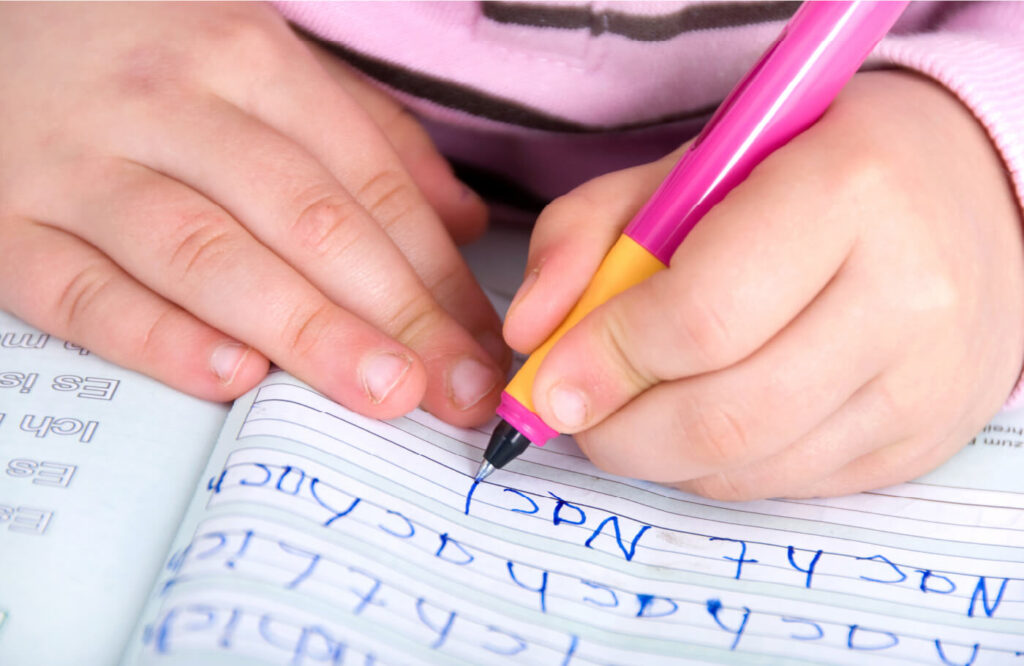
What the Hands Are Actually Doing
Writing is not just a brain skill. It is a full motor task.
To form a single letter, a child needs grip strength, finger coordination, visual-motor integration (the hand and eye talking to each other), sustained attention, motor memory, and something researchers call graphomotor planning. That is the ability to plan, execute, and monitor every stroke of the pencil in real time.
A 1999 study that still holds up remarkably well found that slow writers rely heavily on visual sequential memory and visual-motor integration to complete the same writing task that faster writers do almost automatically. What that means in plain language is this: the slow child is thinking about each letter. The fast child is not. Writing has not yet become unconscious for them, and that makes everything take longer.
हात प्रत्यक्षात काय करत असतात

लिहिणे हे केवळ मेंदूचे कौशल्य नाही. हे एक संपूर्ण शारीरिक हालचालींचे कार्य आहे.

एक अक्षर तयार करण्यासाठी, मुलाला पकडीची ताकद, बोटांचा समन्वय, दृक्-शारीरिक हालचालींचे एकत्रीकरण (हात आणि डोळ्यांचा एकमेकांशी संवाद), दीर्घकाळ टिकणारे लक्ष, शारीरिक हालचालींची स्मृती आणि संशोधक ज्याला 'ग्राफोमोटर प्लॅनिंग' म्हणतात त्याची गरज असते. म्हणजेच, पेन्सिलच्या प्रत्येक फटकाऱ्याचे प्रत्यक्ष वेळेत नियोजन करण्याची, त्याची अंमलबजावणी करण्याची आणि त्यावर लक्ष ठेवण्याची क्षमता.

१९९९ सालच्या एका अभ्यासात, जो आजही आश्चर्यकारकपणे समर्पक ठरतो, असे आढळून आले की, जलद गतीने लिहिणारी मुले जे लेखनाचे काम जवळजवळ आपोआप करतात, तेच काम पूर्ण करण्यासाठी हळू लिहिणारी मुले दृक् अनुक्रमिक स्मृती आणि दृक्-शारीरिक हालचालींच्या एकत्रीकरणावर मोठ्या प्रमाणावर अवलंबून असतात. सोप्या भाषेत याचा अर्थ असा आहे: हळू लिहिणारे मूल प्रत्येक अक्षराचा विचार करत असते. जलद गतीने लिहिणारे मूल तसे करत नाही. त्यांच्यासाठी लिहिणे अजून अचेतन झालेले नसते आणि त्यामुळे प्रत्येक गोष्टीला जास्त वेळ लागतो.
The Three Most Common Reasons, Honestly
Fine motor immaturity. The small muscles of the hand are still developing. For most children, these muscles mature fully between the ages of 6 and 9. Some kids, especially boys, run a little behind. A child whose grip is weak, who tires quickly after writing a few lines, or who holds the pencil in an unusual way is often just working significantly harder than his peers to produce the same output. Not lazy. Fatigued.
Developmental Coordination Disorder, or DCD. This is far more common than parents know. DCD affects approximately 5 to 6% of school-aged children and it causes difficulty with tasks that require motor coordination, of which handwriting is one of the most demanding. Research from 2025 confirms that children with DCD show handwriting disorders in up to 89% of cases, though actual dysgraphia — the more defined writing disability — is present in only about 17% of that group. That distinction matters because the approaches differ.
ADHD. Research published by WebMD and confirmed by peer-reviewed studies found that among children diagnosed with ADHD, 59% had dysgraphia and 92% had weaknesses in graphomotor skills. Children with ADHD often know exactly what they want to write. The problem is bridging the gap between the thought and the page — the sustained attention and motor pacing that writing requires. Their ideas outrun their hand, and then they give up.
प्रामाणिकपणे सांगायचे तर, याची तीन सर्वात सामान्य कारणे खालीलप्रमाणे आहेत:

सूक्ष्म स्नायूंच्या (fine motor muscles) विकासातील अपरिपक्वता. हाताचे लहान स्नायू अजूनही विकसित होत असतात. बहुतेक मुलांमध्ये हे स्नायू वयाच्या ६ ते ९ वर्षांच्या दरम्यान पूर्णपणे विकसित होतात. काही मुले, विशेषतः मुले (boys), या बाबतीत थोडी मागे असू शकतात. ज्या मुलांची पकड कमकुवत असते, जी काही ओळी लिहिल्यानंतर लवकर थकतात किंवा जी पेन्सिल वेगळ्याच पद्धतीने धरतात, ती मुले बऱ्याचदा आपल्या वयाच्या इतर मुलांच्या तुलनेत तितकेच काम पूर्ण करण्यासाठी खूप जास्त कष्ट घेत असतात. ती मुले आळशी नसतात, तर थकलेली असतात.

डेव्हलपमेंटल कोऑर्डिनेशन डिसऑर्डर (DCD). पालकांना कल्पना असते त्यापेक्षा ही समस्या अधिक सामान्य आहे. DCD चा परिणाम शालेय वयातील सुमारे ५ ते ६% मुलांवर होतो. यामुळे शारीरिक हालचालींचा ताळमेळ (motor coordination) आवश्यक असलेल्या कामांमध्ये अडचण येते; आणि हस्तलेखन (handwriting) हे अशा कामांपैकी सर्वात आव्हानात्मक काम आहे. २०२५ मधील संशोधनानुसार, DCD असलेल्या मुलांमध्ये ८९% प्रकरणांमध्ये हस्तलेखनाशी संबंधित समस्या दिसून येतात; मात्र त्यापैकी केवळ १७% मुलांमध्ये 'डिस्ग्राफिया' (dysgraphia) — म्हणजेच लेखनाशी संबंधित एक विशिष्ट अक्षमता — असल्याचे आढळते. हा फरक महत्त्वाचा आहे कारण या दोन्ही समस्यांवरील उपाययोजना किंवा दृष्टिकोन वेगळे असतात.

ADHD. WebMD द्वारे प्रकाशित आणि तज्ज्ञांनी पडताळलेल्या (peer-reviewed) संशोधनात असे आढळून आले आहे की, ADHD चे निदान झालेल्या मुलांपैकी ५९% मुलांमध्ये डिस्ग्राफिया होता आणि ९२% मुलांमध्ये 'ग्राफोमोटर' कौशल्यांमध्ये (लेखनासाठी आवश्यक असलेल्या हाताच्या हालचालींच्या कौशल्यांमध्ये) कमतरता होती. ADHD असलेली मुले बऱ्याचदा नेमके काय लिहायचे आहे हे जाणत असतात. समस्या ही विचार आणि कागद यांमधील दुवा साधण्याची असते — म्हणजेच लेखनासाठी आवश्यक असलेले सातत्यपूर्ण लक्ष आणि हाताच्या हालचालींचा योग्य वेग राखणे त्यांना कठीण जाते. त्यांचे विचार हाताच्या गतीपेक्षा वेगाने पुढे जातात आणि मग ती मुले प्रयत्न सोडून देतात.
When It Is Dysgraphia
Dysgraphia is a developmental disorder that affects writing acquisition. Not just speed — spelling, spacing, letter formation, pencil pressure, writing posture, all of it. It is estimated to affect 6.3% of children in India. In Indian primary schools, one study reported 14% of children showing signs of writing difficulty, with roughly 24% of those at-risk children identified as having dysgraphia specifically.
The signs are pretty specific if you know what to look for. A child with dysgraphia does not just write slowly. They write with visible effort. Their grip is tight or awkward. They complain that their hand hurts. Letters are inconsistent — sometimes correctly formed, sometimes reversed. They avoid writing whenever possible. And crucially, their verbal ability often dramatically outstrips their written output. They can tell you a story fluently but cannot write four sentences without genuine distress.
This is not a discipline problem. It is a neurological one. Dysgraphia involves impairments in motor planning at the cortical level — the brain’s ability to programme and execute fine movements — and research links it in many cases to minor neurological dysfunction along the corticospinal motor pathway.
जेव्हा हे डिस्ग्राफिया असते

डिस्ग्राफिया हा एक विकासात्मक विकार आहे जो लिहिण्याच्या प्रक्रियेवर परिणाम करतो. केवळ गतीवरच नाही, तर स्पेलिंग, अक्षरांमधील अंतर, अक्षरांची रचना, पेन्सिलवरील दाब, लिहिण्याची पद्धत, या सर्वांवर परिणाम होतो. भारतातील अंदाजे ६.३% मुलांना याचा त्रास होतो. भारतीय प्राथमिक शाळांमधील एका अभ्यासानुसार, १४% मुलांमध्ये लिहिण्यात अडचण असल्याची लक्षणे दिसून आली, आणि यापैकी सुमारे २४% धोका असलेल्या मुलांना विशेषतः डिस्ग्राफिया असल्याचे निदान झाले.

जर तुम्हाला काय पाहायचे आहे हे माहित असेल, तर याची लक्षणे बरीच विशिष्ट असतात. डिस्ग्राफिया असलेले मूल केवळ हळू लिहित नाही. ते लिहिताना स्पष्ट प्रयत्न करत असल्याचे दिसते. त्यांची पकड घट्ट किंवा विचित्र असते. त्यांचा हात दुखत असल्याची ते तक्रार करतात. अक्षरे विसंगत असतात — कधी बरोबर लिहिलेली, तर कधी उलट. शक्य असेल तेव्हा ते लिहिणे टाळतात. आणि महत्त्वाचे म्हणजे, त्यांची बोलण्याची क्षमता अनेकदा त्यांच्या लेखी क्षमतेपेक्षा खूप जास्त असते. ते तुम्हाला अस्खलितपणे गोष्ट सांगू शकतात, पण खऱ्या त्रासाशिवाय चार वाक्येही लिहू शकत नाहीत.

ही शिस्तीची समस्या नाही. ही एक मज्जासंस्थेची समस्या आहे. डिस्ग्राफियामध्ये कॉर्टिकल स्तरावर मोटर प्लॅनिंगमध्ये (म्हणजेच, सूक्ष्म हालचालींचे नियोजन करण्याची आणि त्या पार पाडण्याची मेंदूची क्षमता) बिघाड होतो आणि अनेक प्रकरणांमध्ये याचा संबंध कॉर्टिकोस्पाइनल मोटर मार्गावरील किरकोळ न्यूरोलॉजिकल बिघाडाशी जोडला जातो.
What You Can Do at Home Right Now
You do not need a formal diagnosis to start helping. Here are things that genuinely work, backed by occupational therapy evidence.
Build hand strength outside of writing. This is the one most parents miss entirely. Children need strong hands before they can write well, and you do not build hand strength by writing more. You build it by squeezing, pinching, and manipulating things with their fingers.
Everyday activities that are actually effective:
• Rolling, pinching, and shaping clay or playdough for 10 minutes a day
• Picking up small objects like coins or dried pulses with the thumb and index finger
• Cutting with scissors along curved lines, not just straight ones
• Threading beads or lacing cards
• Wrapping a rubber band around all five fingers and stretching them open, repeatedly.
Fix the grip before fixing the writing. If a child is holding the pencil with four fingers, a fist, or with the thumb wrapped over the top, writing will always feel effortful. A proper tripod grip — thumb, index finger, and middle finger — distributes the work correctly. Pencil grips available at any stationery shop in India cost less than twenty rupees and genuinely help.
Try writing on different surfaces. Sand trays, chalkboards, and even writing in shaving cream in the bathroom sink are not gimmicks. Sensory-rich writing surfaces enhance motor planning and letter formation because they provide more physical feedback to the child’s nervous system.
Short sessions, not long ones. A child with handwriting difficulty who is forced to write for forty minutes will not improve. They will develop a relationship with writing that involves dread. Ten focused minutes of deliberate, calm practice is worth infinitely more than an hour of frustration.
तुम्ही घरी आत्ता काय करू शकता

मदत सुरू करण्यासाठी तुम्हाला औपचारिक निदानाची गरज नाही. येथे अशा काही गोष्टी आहेत ज्या खरोखरच प्रभावी ठरतात आणि ज्यांना ऑक्युपेशनल थेरपीच्या पुराव्यांचा आधार आहे.

लिखाणाव्यतिरिक्त हातांची ताकद वाढवा. ही एक अशी गोष्ट आहे जी बहुतेक पालक पूर्णपणे विसरतात. मुलांना चांगले लिहिता यावे यासाठी त्यांचे हात मजबूत असणे आवश्यक आहे, आणि जास्त लिहून तुम्ही हातांची ताकद वाढवत नाही. तुम्ही त्यांच्या बोटांनी वस्तू दाबून, चिमटा काढून आणि हाताळून ती वाढवता.

प्रत्यक्षात प्रभावी असलेले दैनंदिन उपक्रम:
• दररोज १० मिनिटे चिकणमाती किंवा प्ले-डोहला लाटणे, चिमटा काढणे आणि आकार देणे
• अंगठा आणि तर्जनीने नाणी किंवा वाळलेली कडधान्ये यांसारख्या लहान वस्तू उचलणे
• कात्रीने फक्त सरळ रेषांवरच नव्हे, तर वक्र रेषांवरही कापणे
• मणी ओवणे किंवा कार्डांना लेस लावणे
• पाचही बोटांभोवती रबर बँड गुंडाळून ती वारंवार ताणून उघडणे

लिखाण सुधारण्याआधी पकड सुधारा. जर मूल पेन्सिल चार बोटांनी, मुठीने किंवा अंगठा वरच्या बाजूला गुंडाळून धरत असेल, तर त्याला लिहिताना नेहमीच कष्टाचे वाटेल. अंगठा, तर्जनी आणि मधले बोट वापरून केलेली योग्य तिपाई पकड (ट्रायपॉड ग्रिप) कामाची योग्य विभागणी करते. भारतातील कोणत्याही स्टेशनरीच्या दुकानात वीस रुपयांपेक्षा कमी किमतीत मिळणारे पेन्सिल ग्रिप खरोखरच मदत करतात.

वेगवेगळ्या पृष्ठभागांवर लिहिण्याचा प्रयत्न करा. वाळूचे ट्रे, फळ्या आणि बाथरूमच्या सिंकमध्ये शेव्हिंग क्रीमने लिहिणे या काही दिखाऊ गोष्टी नाहीत. संवेदनांनी समृद्ध असलेले लिहिण्याचे पृष्ठभाग मोटर प्लॅनिंग (हालचालींचे नियोजन) आणि अक्षर-रचना सुधारतात, कारण ते मुलाच्या मज्जासंस्थेला अधिक शारीरिक प्रतिसाद देतात.

सत्र लहान असावेत, मोठी नसावीत. ज्या मुलाला हस्ताक्षर लिहिण्यात अडचण आहे, त्याला चाळीस मिनिटे लिहिण्यास भाग पाडल्यास त्याच्यात सुधारणा होणार नाही. उलट, लिहिण्याबद्दल त्याच्या मनात एक भीतीचे नाते निर्माण होईल. एका तासाच्या निराशेपेक्षा, दहा मिनिटांचा जाणीवपूर्वक आणि शांतपणे केलेला एकाग्र सराव कितीतरी पटीने अधिक मौल्यवान आहे.
What Not to Do
Do not tell them to just try harder. Do not compare them to a sibling or a cousin. Do not make handwriting the battleground for every evening at home. Research specifically noted that writing practice alone did not improve handwriting in children with ADHD and motor-based difficulties — it helped typical writers, but not these kids.
The expectation that effort alone will bridge a neurological or motor gap is not fair to your child. It does not match the science.
काय करू नये

त्यांना केवळ 'अधिक प्रयत्न कर' असे सांगू नका. त्यांची तुलना त्यांच्या भावंडांशी किंवा चुलत भावंडांशी करू नका. घरी दररोज संध्याकाळी हस्ताक्षरावरून वाद किंवा संघर्ष ओढवून घेऊ नका. संशोधनातून असे स्पष्ट झाले आहे की, केवळ लेखनाचा सराव केल्याने ADHD आणि हालचालींशी संबंधित अडचणी (motor-based difficulties) असलेल्या मुलांचे हस्ताक्षर सुधारत नाही; सामान्य मुलांना याचा फायदा होतो, पण अशा मुलांना नाही.
केवळ प्रयत्नांच्या जोरावर मज्जासंस्थेशी किंवा शारीरिक हालचालींशी संबंधित त्रुटी भरून काढता येतील, अशी अपेक्षा करणे तुमच्या मुलाच्या बाबतीत योग्य नाही. ही अपेक्षा वैज्ञानिक वस्तुस्थितीशी सुसंगत नाही.
When to Come See Me
Most parents wait far too long. I understand why — nobody wants to think something is wrong, and the school usually says let’s see how it goes. But early intervention is dramatically more effective than late intervention for these conditions. That is consistent across the research.
Bring your child in if:
• Writing difficulty has persisted for more than one full academic year despite effort at home
• Your child actively avoids all writing and drawing tasks, not just dislikes them
• Hand pain, cramping, or fatigue appear consistently after very short writing tasks
• You notice letter reversals, inconsistent sizing, or inability to stay within lines in a child aged 7 and above
• Teachers are reporting the same concern term after term with no improvement
• Your child is noticeably frustrated, has low confidence about their schoolwork, or is reluctant to go to school because of written tasks
• There are other motor concerns as well — clumsiness, difficulty with buttons, shoe laces, or physical activities requiring coordination
What happens in clinic? A thorough developmental and motor assessment. We look at grip, posture, pencil pressure, letter formation, fine motor coordination, and when needed, we refer for a detailed occupational therapy evaluation. Occupational therapy has meaningful evidence behind it for handwriting improvement in children. The earlier we start, the better the outcome.
मला भेटायला कधी यावे

बहुतेक पालक खूप जास्त वेळ वाट पाहतात. मला याचे कारण समजते — कोणालाही काहीतरी चुकीचे आहे असे वाटायला आवडत नाही, आणि शाळा सहसा म्हणते की बघूया पुढे काय होते. परंतु या समस्यांसाठी उशिरा केलेल्या उपचारांपेक्षा लवकर केलेले उपचार खूपच जास्त प्रभावी ठरतात. हे संशोधनातून सातत्याने सिद्ध झाले आहे.

तुमच्या मुलाला/मुलीला खालील परिस्थितीत घेऊन या:
• घरी प्रयत्न करूनही लिहिण्यातील अडचण एका पूर्ण शैक्षणिक वर्षापेक्षा जास्त काळ टिकून राहिली असेल
• तुमचे मूल लिहिण्याची आणि चित्र काढण्याची सर्व कामे केवळ नापसंत करत नाही, तर ती सक्रियपणे टाळत असेल
• अगदी थोड्या वेळासाठी लिहिण्याचे काम केल्यावर हाताला सतत वेदना, पेटके किंवा थकवा जाणवत असेल
• ७ वर्षे किंवा त्याहून अधिक वयाच्या मुलामध्ये अक्षरे उलट लिहिलेली, आकारात विसंगती असलेली किंवा ओळीच्या आत लिहिण्यास असमर्थता तुमच्या लक्षात येत असेल
• शिक्षक प्रत्येक सत्रात तीच समस्या नोंदवत असतील आणि त्यात कोणतीही सुधारणा होत नसेल
• तुमचे मूल/तुमची मुलगी स्पष्टपणे निराश दिसत असेल, शाळेच्या अभ्यासाबद्दल आत्मविश्वास कमी असेल किंवा लिहिण्याच्या कामांमुळे शाळेत जाण्यास तयार नसेल
• इतर शारीरिक हालचालींसंबंधी समस्या देखील असतील — जसे की अवघडलेपणा, बटणे, बुटांच्या लेस बांधण्यात अडचण किंवा समन्वयाची आवश्यकता असलेल्या शारीरिक हालचाली.

क्लिनिकमध्ये काय होते? विकासात्मक आणि शारीरिक हालचालींचे सखोल मूल्यांकन केले जाते. आम्ही पेन्सिल पकडण्याची पद्धत, बसण्याची स्थिती, पेन्सिलवरील दाब, अक्षरलेखन, सूक्ष्म हालचालींमधील समन्वय या गोष्टी तपासतो आणि गरज भासल्यास, सविस्तर व्यावसायिक उपचार मूल्यांकनासाठी पाठवतो. मुलांचे हस्ताक्षर सुधारण्यासाठी व्यावसायिक उपचारांमागे महत्त्वपूर्ण पुरावे आहेत. आपण जितक्या लवकर सुरुवात करू, तितका चांगला परिणाम मिळेल.
The Bigger Picture
There is a sentence I keep coming back to from a 2023 review in PMC: instructors and parents typically attribute the difficulties to laziness or insufficient effort.
That kills me a little, every time I read it.
These are children working as hard as they possibly can with a set of tools that are not yet developed. They are not slow because they do not care. They are slow because the motor, cognitive, or neurological foundations for writing have not fully assembled yet — and with the right support, they often do.
Your child is not the problem. The gap between what is expected of them and what they have been helped to develop — that is the problem. And it is one we can absolutely work on together.
व्यापक दृष्टिकोन

PMC मधील २०२३ च्या एका आढाव्यातील एक वाक्य माझ्या वारंवार लक्षात येते: शिक्षक आणि पालक सहसा या अडचणींचे कारण 'आळस' किंवा 'अपुरे प्रयत्न' हेच मानतात.

जेव्हा जेव्हा मी ते वाचते, तेव्हा मला खूप अस्वस्थ वाटते.

ही मुले अशा साधनांचा (क्षमतांचा) वापर करून शक्य तितके कठोर परिश्रम करत असतात, जी साधने अजून पूर्णपणे विकसित झालेली नाहीत. त्यांना रस नाही म्हणून त्यांचा वेग कमी असतो, असे नाही; तर लिहिण्यासाठी आवश्यक असलेले शारीरिक हालचालींचे (motor), बोधात्मक (cognitive) किंवा मज्जासंस्थेसंबंधीचे (neurological) पायाभूत घटक अजून पूर्णपणे तयार झालेले नसतात, म्हणून त्यांचा वेग कमी असतो — आणि योग्य आधार मिळाल्यास ते घटक बऱ्याचदा विकसित होतात.

तुमचे मूल ही समस्या नाही. त्यांच्याकडून जी अपेक्षा केली जाते आणि त्यांच्या क्षमता विकसित करण्यासाठी त्यांना जी मदत दिली जाते, यांमधील जी तफावत आहे — तीच खरी समस्या आहे. आणि यावर आपण नक्कीच मिळून काम करू शकतो.
About the Author
Dr. Suhas Sodal, MBBS, MD (Pediatrics), brings over 15 years of experience caring for children in Pimple Gurav, Pimpri, and surrounding areas.
He specializes in pediatric infectious diseases, childhood allergies and asthma, vaccines, and nutrition.
Dr. Sodal has led multiple clinical trials on vaccine safety and efficacy, ensuring evidence-based care.
His passion for pediatric nutrition drives innovative, child-friendly dietary guidance rooted in Indian traditions.
Families in Pimple Gurav, Pimple Saudagar, Rahatani, Wakad, Aundh, Dapodi, Sangvi, Bhosari, Pimpri, and Vallabh Nagar trust his expertise.
He practices at IRA Children’s Clinic in Pimple Gurav, offering personalized treatment plans for every child.
Dr. Sodal’s holistic approach blends modern medicine with practical nutritional advice for optimal growth.
His clinic is known for compassionate care, helping children thrive through preventive and curative services.
Parents seeking reliable pediatric advice can reach IRA Children’s Clinic at 7276012600.
Dr. Sodal remains dedicated to advancing child health and wellness in the Pune region.
लेखकाबद्दल

डॉ. सुहास सोडल, एमबीबीएस, एमडी (बालरोगशास्त्र) यांना पिंपळे गुरव, पिंपरी आणि आसपासच्या परिसरातील मुलांची काळजी घेण्याचा १५ वर्षांहून अधिक अनुभव आहे.
ते बालरोग संसर्गजन्य रोग, बालपणीच्या ऍलर्जी आणि दमा, लस आणि पोषण या विषयांमध्ये तज्ज्ञ आहेत.
डॉ. सोडल यांनी लसीची सुरक्षितता आणि परिणामकारकता यावर अनेक क्लिनिकल चाचण्यांचे नेतृत्व केले आहे, ज्यामुळे पुराव्यावर आधारित काळजी सुनिश्चित होते.
बालरोग पोषणाबद्दलची त्यांची आवड भारतीय परंपरांमध्ये रुजलेली नाविन्यपूर्ण, बाल-अनुकूल आहार मार्गदर्शन करते.
पिंपळे गुरव, पिंपळे सौदागर, रहाटणी, वाकड, औंध, दापोडी, सांगवी, भोसरी, पिंपरी आणि वल्लभ नगरमधील कुटुंबे त्यांच्या कौशल्यावर विश्वास ठेवतात.
ते पिंपळे गुरव येथील इरा चिल्ड्रन्स क्लिनिकमध्ये प्रॅक्टिस करतात, प्रत्येक मुलासाठी वैयक्तिकृत उपचार योजना देतात.
डॉ. सोडल यांचा समग्र दृष्टिकोन आधुनिक औषधांना इष्टतम वाढीसाठी व्यावहारिक पौष्टिक सल्ल्यासह एकत्रित करतो.
त्यांचे क्लिनिक दयाळू काळजीसाठी ओळखले जाते, प्रतिबंधात्मक आणि उपचारात्मक सेवांद्वारे मुलांना भरभराट करण्यास मदत करते.
विश्वसनीय बालरोग सल्ला मिळवणाऱ्या पालकांना इरा चिल्ड्रन्स क्लिनिकशी ७२७६०१२६०० या क्रमांकावर संपर्क साधता येईल.
डॉ. सोडल पुणे प्रदेशात बाल आरोग्य आणि निरोगीपणा वाढवण्यासाठी समर्पित आहेत.
Disclaimer:
काळजीपूर्वक लक्षात घ्या:





Leave a comment