
August 22, 2026
Fever That Won’t Break: What to Do When Paracetamol Just Isn’t Cutting It
बेडकासारख्या स्थितीत बसणे: भारतीय पालकांनी बेडकाच्या स्थितीबद्दल काळजी करावी का?
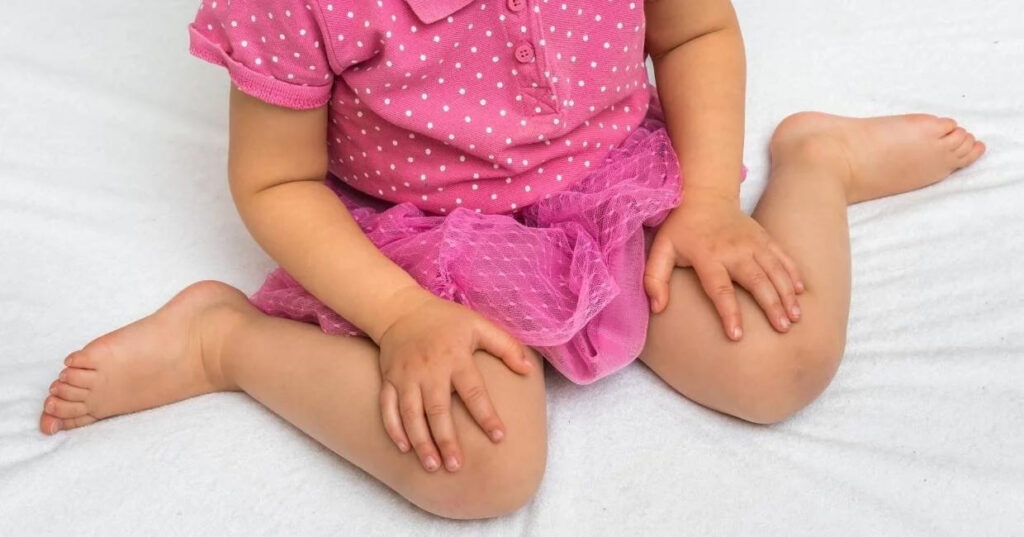
That Familiar Sight on Your Living Room Floor
You walk into the room and your 3 year old is sitting on the floor playing with blocks. Their knees are together, feet splayed out on both sides, bottom flat on the ground. From above, their legs look like the letter W.
In India we often call this the “frog sitting” position. Almost every parent has seen it. And almost every parent has heard someone say don’t let your child sit like that, it will damage their hips.
But is that actually true? Let me walk you through what the latest research says, when this is perfectly normal, and when you should actually be concerned.
तुमच्या बैठकीच्या खोलीच्या जमिनीवर ते परिचित दृश्य

तुम्ही खोलीत प्रवेश करता आणि तुमचा ३ वर्षांचा मुलगा जमिनीवर ब्लॉक्सशी खेळत बसलेला असतो. त्यांचे गुडघे एकत्र असतात, दोन्ही बाजूंनी पाय पसरलेले असतात, तळाशी जमिनीवर सपाट असतो. वरून त्यांचे पाय W अक्षरासारखे दिसतात.
भारतात आपण याला "बेडूक बसण्याची" स्थिती म्हणतो. जवळजवळ प्रत्येक पालकाने हे पाहिले आहे. आणि जवळजवळ प्रत्येक पालकाने एखाद्याला असे म्हणताना ऐकले आहे की तुमच्या मुलाला असे बसू देऊ नका, त्यामुळे त्यांच्या कंबरेला नुकसान होईल.
पण हे खरोखर खरे आहे का? हे पूर्णपणे सामान्य असताना आणि तुम्ही खरोखर काळजी केली पाहिजे तेव्हा नवीनतम संशोधन काय म्हणते ते मी तुम्हाला सांगतो.
What Exactly Is W Sitting?
W sitting is when a child sits with their bottom on the floor between their legs, knees bent and pointing forward, feet flared out to both sides of the hips. When you look down from above, the legs form the shape of the letter W.
It is also called frog sitting or simply sitting between the legs.
Children love this position because it gives them a very wide, stable base of support. They don’t need to engage their core muscles much to stay upright. This makes it easier to use both hands for playing, drawing, or building things.
W बसणे म्हणजे नेमके काय?

W बसणे म्हणजे जेव्हा मूल जमिनीवर पायांच्या मध्ये तळाशी बसते, गुडघे वाकवून आणि पुढे निर्देशित करते, पाय कंबरेच्या दोन्ही बाजूंना बाहेर काढलेले असतात. वरून खाली पाहिल्यावर पाय W अक्षराचा आकार तयार करतात.
याला बेडूक बसणे किंवा फक्त पायांच्या मध्ये बसणे असेही म्हणतात.
मुलांना ही स्थिती आवडते कारण यामुळे त्यांना खूप रुंद, स्थिर आधार मिळतो. त्यांना सरळ राहण्यासाठी त्यांच्या कोर स्नायूंना जास्त काम करण्याची आवश्यकता नाही. यामुळे खेळण्यासाठी, चित्र काढण्यासाठी किंवा वस्तू बांधण्यासाठी दोन्ही हात वापरणे सोपे होते.
Why Do Children Sit This Way?
There are a few reasons and most of them are completely innocent.
Their bones are built for it. Young children naturally have more inward twist in their thigh bone, called femoral anteversion. This makes the W position surprisingly comfortable for them. Adults cannot do it because as we grow, this twist naturally reduces by around age 8.
Their core is still developing. Toddlers and preschoolers have weaker trunk muscles compared to older children. W sitting gives them stability without effort. It is a shortcut their body takes so they can focus on playing instead of balancing.
Some children have low muscle tone or loose joints. Kids with hypotonia or joint hypermobility find W sitting especially comfortable because it requires the least muscular effort.
Sometimes it is just habit. A child discovers it feels easy and keeps doing it. No deeper reason.
मुले असे का बसतात?

काही कारणे आहेत आणि त्यापैकी बहुतेक पूर्णपणे निष्पाप असतात.
त्यांची हाडे त्यासाठीच बांधलेली असतात. लहान मुलांच्या मांडीच्या हाडात नैसर्गिकरित्या जास्त आतील वळणे असतात, ज्याला फेमोरल अँटीव्हर्जन म्हणतात. यामुळे त्यांच्यासाठी W स्थिती आश्चर्यकारकपणे आरामदायक बनते. प्रौढ ते करू शकत नाहीत कारण आपण वाढतो तसे, हे वळणे नैसर्गिकरित्या 8 वर्षांच्या आसपास कमी होते.
त्यांचा गाभा अजूनही विकसित होत असतो. लहान मुले आणि प्रीस्कूलर्समध्ये मोठ्या मुलांच्या तुलनेत धडाचे स्नायू कमकुवत असतात. W बसणे त्यांना प्रयत्नांशिवाय स्थिरता देते. हा एक शॉर्टकट आहे ज्यामुळे ते संतुलन साधण्याऐवजी खेळण्यावर लक्ष केंद्रित करू शकतात.
काही मुलांमध्ये स्नायूंचा टोन कमी असतो किंवा सांधे सैल असतात. हायपोटोनिया किंवा सांधे हायपरमोबिलिटी असलेल्या मुलांना W बसणे विशेषतः आरामदायक वाटते कारण त्यासाठी कमीत कमी स्नायूंचा प्रयत्न करावा लागतो.
कधीकधी ते फक्त सवय असते. मुलाला ते सोपे वाटते आणि ते करत राहते. कोणतेही सखोल कारण नाही.
The Good News: What Latest Research Says
Here is where things have changed a lot in recent years.
A 2024 systematic review published in a peer reviewed orthopedic journal reviewed 3,641 articles on W sitting. After filtering, seven studies met the criteria for analysis. The conclusion was clear: there is no scientific evidence to advise against W sitting in children and no association was found between W sitting and hip dysplasia.
The same review found that muscular activation remains the same regardless of sitting position. W sitting did not cause weaker core muscles compared to other sitting styles.
A study from Children’s Hospital Los Angeles (CHLA) examined children’s hip X rays and compared them with their sitting habits. About 46% of children were W sitters. The researchers found that children who W sat were not more likely to have hip dysplasia.
Dr. Rachel Goldstein, Director of the Hip Preservation Program at CHLA, said it clearly: there is pretty much no scenario in which W sitting is really a concern in typically developing children.
The International Hip Dysplasia Institute also confirms that W sitting does not cause harm to developing hips and does not contribute to hip dysplasia.
आनंदाची बातमी: नवीनतम संशोधन काय म्हणते

अलिकडच्या वर्षांत गोष्टी खूप बदलल्या आहेत.
पीअर रिव्ह्यूड ऑर्थोपेडिक जर्नलमध्ये प्रकाशित झालेल्या २०२४ च्या पद्धतशीर पुनरावलोकनात W बसण्याबद्दल ३,६४१ लेखांचे पुनरावलोकन केले गेले. फिल्टरिंगनंतर, सात अभ्यास विश्लेषणाच्या निकषांवर पूर्ण झाले. निष्कर्ष स्पष्ट होता: मुलांमध्ये W बसण्याविरुद्ध सल्ला देण्यासाठी कोणतेही वैज्ञानिक पुरावे नाहीत आणि W बसणे आणि हिप डिसप्लेसिया यांच्यात कोणताही संबंध आढळला नाही.
त्याच पुनरावलोकनात असे आढळून आले की बसण्याच्या स्थितीकडे दुर्लक्ष करून स्नायू सक्रिय होणे सारखेच राहते. इतर बसण्याच्या शैलींच्या तुलनेत W बसण्यामुळे कोर स्नायू कमकुवत झाले नाहीत.
चिल्ड्रन्स हॉस्पिटल लॉस एंजेलिस (CHLA) च्या एका अभ्यासात मुलांच्या हिप एक्स रेची तपासणी केली गेली आणि त्यांची त्यांच्या बसण्याच्या सवयींशी तुलना केली गेली. सुमारे ४६% मुले W बसणारी होती. संशोधकांना असे आढळून आले की W बसलेल्या मुलांना हिप डिसप्लेसिया होण्याची शक्यता जास्त नव्हती.
CHLA येथील हिप प्रिझर्वेशन प्रोग्रामच्या संचालक डॉ. राहेल गोल्डस्टाईन यांनी स्पष्टपणे सांगितले: सामान्यतः विकसनशील मुलांमध्ये W बसणे खरोखरच चिंतेचा विषय आहे अशी कोणतीही परिस्थिती नाही.
इंटरनॅशनल हिप डिस्प्लेसिया इन्स्टिट्यूट देखील पुष्टी करते की डब्ल्यू बसल्याने कंबरेचा विकास होण्यास हानी होत नाही आणि हिप डिस्प्लेसियामध्ये योगदान देत नाही.
So Is It Completely Harmless?
Not exactly. The research says occasional W sitting is fine. But there are valid clinical concerns when a child sits exclusively in this position for long periods, every single day.
Core muscles don’t get challenged. If W sitting is the only way your child sits, their trunk muscles miss out on the work they need to grow stronger. Over time this can affect balance, coordination, and posture.
Trunk rotation gets limited. In the W position, it is hard for children to twist their upper body and reach across their midline. This crossing motion is important for developing hand dominance and later for writing skills.
Bone alignment may shift over long term. Prolonged extreme internal rotation at the hip can contribute to intoeing, where children walk with feet turned inward. Some clinical reports also mention tibial torsion and flat feet as possible concerns in habitual W sitters.
Joint stress over years. Cleveland Clinic notes that W sitting places force on soft, flexible bones and joints in a direction that is opposite to what is naturally ideal. Over time this can contribute to hip, knee, and ankle joint issues.
The key word in all of this is habitual. A child who moves in and out of W sitting during play is not at risk. A child who sits only in this position for hours every day over months and years is worth watching more carefully.
तर ते पूर्णपणे निरुपद्रवी आहे का?

नाही. संशोधनात असे म्हटले आहे की कधीकधी W बसणे ठीक आहे. परंतु जेव्हा मूल दररोज दीर्घकाळ या स्थितीत बसते तेव्हा काही वैध क्लिनिकल चिंता आहेत.
कोर स्नायूंना आव्हान दिले जात नाही. जर W बसणे हा तुमच्या मुलाचा एकमेव मार्ग असेल तर त्यांच्या धडाच्या स्नायूंना त्यांना मजबूत होण्यासाठी आवश्यक असलेले काम चुकते. कालांतराने याचा संतुलन, समन्वय आणि पवित्रा प्रभावित होऊ शकतो.
ट्रंक रोटेशन मर्यादित होते. W स्थितीत, मुलांना त्यांचे वरचे शरीर वळवणे आणि त्यांच्या मध्यरेषेवर पोहोचणे कठीण होते. हाताचे वर्चस्व विकसित करण्यासाठी आणि नंतर लेखन कौशल्यांसाठी ही क्रॉसिंग हालचाल महत्त्वाची आहे.
हाडांची संरेखन दीर्घकाळात बदलू शकते. कंबरेवर दीर्घकाळापर्यंत अत्यंत अंतर्गत फिरणे आत येण्यास कारणीभूत ठरू शकते, जिथे मुले पाय आत वळवून चालतात. काही क्लिनिकल अहवालांमध्ये टिबिअल टॉर्शन आणि सपाट पायांचा देखील नेहमीच्या W बसणाऱ्यांमध्ये संभाव्य चिंता म्हणून उल्लेख आहे.
वर्षानुवर्षे सांधे ताण. क्लीव्हलँड क्लिनिकमध्ये असे नमूद केले आहे की W बसणे मऊ, लवचिक हाडे आणि सांध्यावर अशा दिशेने दबाव आणते जे नैसर्गिकरित्या आदर्श आहे त्याविरुद्ध आहे. कालांतराने हे कंबर, गुडघा आणि घोट्याच्या सांध्याच्या समस्यांना कारणीभूत ठरू शकते.
या सर्वांमध्ये मुख्य गोष्ट म्हणजे सवयी. खेळताना बसून आत-बाहेर हलणारे मूल धोक्यात नसते. जे मूल महिने आणि वर्षे दररोज तासन्तास या स्थितीत बसते ते अधिक काळजीपूर्वक पाहण्यासारखे आहे.
When W Sitting Is Normal
Your child is absolutely fine if:
• They move in and out of W sitting during play and also sit in other positions like cross legged, side sitting, or legs stretched forward.
• They are meeting all their motor milestones on time, walking, running, climbing, and balancing normally.
• They have no underlying neurological or muscular condition.
• They can sit cross legged comfortably when asked.
• The W sitting happens occasionally, not as the dominant pattern every single time.
Most children naturally outgrow W sitting by age 6 to 8 as their femoral anteversion decreases and the position becomes physically less comfortable.
जेव्हा W बसणे सामान्य असते

तुमचे मूल पूर्णपणे ठीक असते जर:
• खेळताना ते W बसण्याच्या आत आणि बाहेर हालचाल करतात आणि क्रॉस लेग्ज, साइड सिटिंग किंवा पाय पुढे पसरवण्यासारख्या इतर स्थितीत देखील बसतात.
• ते त्यांचे सर्व मोटर टप्पे वेळेवर पूर्ण करत आहेत, चालणे, धावणे, चढणे आणि सामान्यपणे संतुलन साधत आहेत.
• त्यांना कोणताही अंतर्निहित न्यूरोलॉजिकल किंवा स्नायूंचा आजार नाही.
• विचारले असता ते आरामात क्रॉस लेग्ज बसू शकतात.
• W बसणे कधीकधी होते, प्रत्येक वेळी प्रबळ पॅटर्न म्हणून नाही.
बहुतेक मुले 6 ते 8 वर्षांच्या वयात नैसर्गिकरित्या W बसणे वाढवतात कारण त्यांचे फेमोरल अॅन्टव्हर्शन कमी होते आणि स्थिती शारीरिकदृष्ट्या कमी आरामदायी होते.
When W Sitting Is a Red Flag
Pay closer attention if:
• W sitting is the only position your child ever uses for floor play and they cannot or refuse to sit any other way.
• Your child cannot sit cross legged at all, even when encouraged.
• You notice intoeing, frequent tripping, clumsy coordination, or poor balance.
• Your child has a known condition like cerebral palsy, Down syndrome, autism spectrum disorder, or global developmental delay. Children with these conditions often have low muscle tone and W sitting can worsen existing postural problems.
• Your child seems to have very loose or hypermobile joints throughout their body.
• There is a noticeable delay in motor milestones like walking, running, or climbing stairs.
• Despite gentle correction over a few months, the habit does not change at all.
जेव्हा W बसणे धोकादायक असते

जर:
• W बसणे ही एकमेव अशी स्थिती असेल जिथे तुमचे मूल जमिनीवर खेळण्यासाठी वापरते आणि ते इतर कोणत्याही प्रकारे बसू शकत नाहीत किंवा बसण्यास नकार देऊ शकत नाहीत.
• तुमचे मूल अजिबात पाय ओलांडून बसू शकत नाही, जरी प्रोत्साहन दिले तरीही.
• तुम्हाला आत शिरणे, वारंवार अडखळणे, अनाठायी समन्वय किंवा खराब संतुलन लक्षात येते.
तुमच्या मुलाला सेरेब्रल पाल्सी, डाउन सिंड्रोम, ऑटिझम स्पेक्ट्रम डिसऑर्डर किंवा जागतिक विकासात्मक विलंब यासारखे ज्ञात आजार आहेत. या आजार असलेल्या मुलांमध्ये बहुतेकदा स्नायूंचा टोन कमी असतो आणि W बसणे विद्यमान पोश्चरल समस्या वाढवू शकते.
तुमच्या मुलाच्या शरीरात खूप सैल किंवा हायपरमोबाइल सांधे असल्याचे दिसून येते.
• चालणे, धावणे किंवा पायऱ्या चढणे यासारख्या मोटर टप्पे लक्षणीयरीत्या विलंबित होतात.
• काही महिन्यांत सौम्य सुधारणा करूनही, सवय अजिबात बदलत नाही.
What You Can Do at Home
You do not need to panic every time you see your child in a W position. But you can gently encourage variety.
Encourage Alternative Sitting Positions
When you notice W sitting, use a simple verbal cue like “feet in front” or “criss cross please” and help them shift.
Good alternatives include:
• Cross legged sitting (the classic criss cross applesauce)
• Long sitting with legs stretched straight in front
• Side sitting with both legs bent to one side
• Kneeling or tall kneeling while playing at a low table
Rotate between these. Sitting in any one position for too long is not ideal. Variety is what builds different muscle groups.
Build Core Strength Through Play
Make core strengthening fun, not a chore.
• Animal walks. Bear crawls, crab walks, and frog jumps are fantastic for trunk muscles.
• Climbing. Playground ladders, climbing frames, and even climbing up slides builds core stability.
• Wheelbarrow walking. Hold your child’s legs while they walk on their hands. Great for arms and core.
• Tummy time play. Even for older toddlers, lying on the tummy while coloring or reading strengthens back muscles.
• Simple planks and balance games. Standing on one foot, walking on a line, or holding a plank position for a few seconds.
• Swimming. One of the best full body activities for core strength in children.
तुम्ही घरी काय करू शकता

तुमच्या मुलाला W स्थितीत पाहिल्यावर तुम्हाला प्रत्येक वेळी घाबरण्याची गरज नाही. परंतु तुम्ही हळूवारपणे विविधतेला प्रोत्साहन देऊ शकता.
पर्यायी बसण्याच्या स्थितींना प्रोत्साहन द्या
जेव्हा तुम्हाला W बसलेले दिसेल तेव्हा "पाय समोर" किंवा "कृपया क्रिस क्रॉस करा" असे साधे शाब्दिक संकेत वापरा आणि त्यांना हलण्यास मदत करा.
चांगले पर्याय म्हणजे:
• क्रॉस लेग्ड सिटिंग (क्लासिक क्रिस क्रॉस)
• सरळ समोर पाय पसरून लांब बसणे
• दोन्ही पाय एका बाजूला वाकवून बाजूला बसणे
• कमी टेबलावर खेळताना गुडघे टेकणे किंवा उंच गुडघे टेकणे
या दरम्यान फिरवा. जास्त वेळ कोणत्याही एकाच स्थितीत बसणे आदर्श नाही. विविधता ही विविध स्नायू गट तयार करते.
खेळातून कोर स्ट्रेंथ तयार करा
कोर मजबूत करणे मजेदार बनवा, काम नाही.
• प्राण्यांचे चालणे. अस्वल रांगणे, खेकडा चालणे आणि बेडूक उड्या मारणे हे धडाच्या स्नायूंसाठी उत्तम आहेत.
• चढणे. खेळाच्या मैदानाच्या शिड्या, चढाईच्या चौकटी आणि अगदी स्लाईडवर चढणे देखील कोर स्थिरता निर्माण करते.
* चाकगाडी चालणे. तुमचे मूल हातावर चालत असताना त्याचे पाय धरा. हात आणि गाभ्यासाठी उत्तम.
• पोटावर खेळताना वेळ घालवा. मोठ्या मुलांसाठीही, रंगवताना किंवा वाचताना पोटावर झोपल्याने पाठीचे स्नायू बळकट होतात.
• साधे प्लँक्स आणि बॅलन्स गेम. एका पायावर उभे राहणे, रेषेवर चालणे किंवा काही सेकंदांसाठी प्लँक्स पोझिशन धरणे.
• पोहणे. मुलांमध्ये गाभ्याची ताकद वाढवण्यासाठी सर्वोत्तम पूर्ण शरीर क्रियाकलापांपैकी एक.
When to See Your Pediatrician
Book a visit if:
• Your child sits exclusively in W position and cannot sit any other way despite weeks of gentle correction.
• You notice their feet turning inward while walking.
• They seem unusually clumsy, fall frequently, or struggle with balance compared to other children their age.
• Motor milestones are delayed, like not walking by 15 months or suddenly changing the way they walk.
• They can do something on one side of the body but not the other.
• There is known low muscle tone, joint hypermobility, or a neurological condition.
Your pediatrician may refer your child to a pediatric physiotherapist or occupational therapist who can assess core strength, hip flexibility, and overall motor development. Early intervention, when truly needed, gives excellent results.
तुमच्या बालरोगतज्ञांना कधी भेटायचे

जर खालील गोष्टी असतील तर भेट बुक करा:
• तुमचे मूल फक्त W स्थितीत बसते आणि आठवडे सौम्य सुधारणा करूनही ते इतर कोणत्याही प्रकारे बसू शकत नाही.
• चालताना त्यांचे पाय आतल्या बाजूला वळताना तुम्हाला दिसून येतात.
• ते त्यांच्या वयाच्या इतर मुलांच्या तुलनेत असामान्यपणे अनाड़ी दिसतात, वारंवार पडतात किंवा संतुलन बिघडवण्यास त्रास देतात.
• मोटर माइलस्टोन उशीरा होतात, जसे की १५ महिने चालत नसणे किंवा अचानक त्यांची चालण्याची पद्धत बदलणे.
• ते शरीराच्या एका बाजूला काहीतरी करू शकतात पण दुसऱ्या बाजूला नाही.
• स्नायूंचा टोन कमी असणे, सांधे हायपरमोबिलिटी किंवा न्यूरोलॉजिकल स्थिती ज्ञात आहे.
तुमचे बालरोगतज्ञ तुमच्या मुलाला बालरोगतज्ञ फिजिओथेरपिस्ट किंवा ऑक्युपेशनल थेरपिस्टकडे पाठवू शकतात जे कोर स्ट्रेंथ, कंबरेची लवचिकता आणि एकूण मोटर विकासाचे मूल्यांकन करू शकतात. जेव्हा खरोखर गरज असेल तेव्हा लवकर हस्तक्षेप उत्कृष्ट परिणाम देतो.
W sitting looks alarming. The internet makes it sound dangerous. But the latest scientific evidence from 2024 and 2025 tells us that for most typically developing children, occasional W sitting is not harmful and does not cause hip dysplasia.
The concern is valid only when W sitting is the sole sitting position, it continues for very long periods daily, or your child has an underlying condition that affects muscle tone or joint stability.
Your job is simple. Encourage variety. Build core strength through active play. Watch for red flags. And if something feels off, talk to your pediatrician.
Do not make W sitting a daily battle with your child. You have bigger things to focus on. Just gently guide them toward other positions and keep them active and moving. Their growing body will do the rest.
W बसणे भयानक दिसते. इंटरनेटमुळे ते धोकादायक वाटते. परंतु २०२४ आणि २०२५ मधील नवीनतम वैज्ञानिक पुरावे आपल्याला सांगतात की बहुतेक सामान्यतः विकसनशील मुलांसाठी, अधूनमधून W बसणे हानिकारक नाही आणि त्यामुळे हिप डिसप्लेसिया होत नाही.
ही चिंता फक्त तेव्हाच वैध आहे जेव्हा W बसणे ही एकमेव बसण्याची स्थिती असते, ती दररोज खूप काळ चालू राहते किंवा तुमच्या मुलाला स्नायूंच्या टोन किंवा सांध्याच्या स्थिरतेवर परिणाम करणारी अंतर्निहित स्थिती असते.
तुमचे काम सोपे आहे. विविधतेला प्रोत्साहन द्या. सक्रिय खेळाद्वारे कोर स्ट्रेंथ तयार करा. धोक्याची सूचना द्या. आणि जर काही चुकीचे वाटत असेल तर तुमच्या बालरोगतज्ञांशी बोला.
W बसणे तुमच्या मुलाशी दररोजचा संघर्ष बनवू नका. तुमच्याकडे लक्ष केंद्रित करण्यासाठी मोठ्या गोष्टी आहेत. फक्त त्यांना इतर पोझिशन्सकडे हळूवारपणे मार्गदर्शन करा आणि त्यांना सक्रिय आणि हालचाल करत ठेवा. त्यांचे वाढणारे शरीर उर्वरित काम करेल.
About the Author
Dr. Suhas Sodal, MBBS, MD (Pediatrics), brings over 15 years of experience caring for children in Pimple Gurav, Pimpri, and surrounding areas.
He specializes in pediatric infectious diseases, childhood allergies and asthma, vaccines, and nutrition.
Dr. Sodal has led multiple clinical trials on vaccine safety and efficacy, ensuring evidence-based care.
His passion for pediatric nutrition drives innovative, child-friendly dietary guidance rooted in Indian traditions.
Families in Pimple Gurav, Pimple Saudagar, Rahatani, Wakad, Aundh, Dapodi, Sangvi, Bhosari, Pimpri, and Vallabh Nagar trust his expertise.
He practices at IRA Children’s Clinic in Pimple Gurav, offering personalized treatment plans for every child.
Dr. Sodal’s holistic approach blends modern medicine with practical nutritional advice for optimal growth.
His clinic is known for compassionate care, helping children thrive through preventive and curative services.
Parents seeking reliable pediatric advice can reach IRA Children’s Clinic at 7276012600.
Dr. Sodal remains dedicated to advancing child health and wellness in the Pune region.
लेखकाबद्दल

डॉ. सुहास सोडल, एमबीबीएस, एमडी (बालरोगशास्त्र) यांना पिंपळे गुरव, पिंपरी आणि आसपासच्या परिसरातील मुलांची काळजी घेण्याचा १५ वर्षांहून अधिक अनुभव आहे.
ते बालरोग संसर्गजन्य रोग, बालपणीच्या ऍलर्जी आणि दमा, लस आणि पोषण या विषयांमध्ये तज्ज्ञ आहेत.
डॉ. सोडल यांनी लसीची सुरक्षितता आणि परिणामकारकता यावर अनेक क्लिनिकल चाचण्यांचे नेतृत्व केले आहे, ज्यामुळे पुराव्यावर आधारित काळजी सुनिश्चित होते.
बालरोग पोषणाबद्दलची त्यांची आवड भारतीय परंपरांमध्ये रुजलेली नाविन्यपूर्ण, बाल-अनुकूल आहार मार्गदर्शन करते.
पिंपळे गुरव, पिंपळे सौदागर, रहाटणी, वाकड, औंध, दापोडी, सांगवी, भोसरी, पिंपरी आणि वल्लभ नगरमधील कुटुंबे त्यांच्या कौशल्यावर विश्वास ठेवतात.
ते पिंपळे गुरव येथील इरा चिल्ड्रन्स क्लिनिकमध्ये प्रॅक्टिस करतात, प्रत्येक मुलासाठी वैयक्तिकृत उपचार योजना देतात.
डॉ. सोडल यांचा समग्र दृष्टिकोन आधुनिक औषधांना इष्टतम वाढीसाठी व्यावहारिक पौष्टिक सल्ल्यासह एकत्रित करतो.
त्यांचे क्लिनिक दयाळू काळजीसाठी ओळखले जाते, प्रतिबंधात्मक आणि उपचारात्मक सेवांद्वारे मुलांना भरभराट करण्यास मदत करते.
विश्वसनीय बालरोग सल्ला मिळवणाऱ्या पालकांना इरा चिल्ड्रन्स क्लिनिकशी ७२७६०१२६०० या क्रमांकावर संपर्क साधता येईल.
डॉ. सोडल पुणे प्रदेशात बाल आरोग्य आणि निरोगीपणा वाढवण्यासाठी समर्पित आहेत.
Disclaimer:
काळजीपूर्वक लक्षात घ्या:




Leave a comment