
September 4, 2026
Do You Want Your Child to Enjoy Dahi Handi? Start With What’s in the Handi.
व्हिडिओ गेम्स आणि तुमचे मूल: आरोग्यावरील परिणामांबद्दल नवीनतम संशोधन काय दर्शवते
Why Parents Are Getting More Worried About Gaming
Every parent in India is dealing with this now. Your child wants to play video games all day. You hear about gaming addiction on news channels. You wonder if you should let them play at all. Is it really that bad?
I want to be honest with you. The latest medical research from 2024 and 2025 shows real concerns. But it’s not as simple as games being completely bad or completely good. Let me break down what the science actually says.
पालकांना गेमिंगबद्दल अधिक चिंता का वाटत आहे?

भारतातील प्रत्येक पालक सध्या या समस्येचा सामना करत आहे. तुमच्या मुलाला दिवसभर व्हिडिओ गेम्स खेळायचे असतात. तुम्ही न्यूज चॅनलवर गेमिंगच्या व्यसनाबद्दल ऐकता. त्यांना खेळू द्यावे की नाही, असा प्रश्न तुम्हाला पडतो. हे खरंच इतकं वाईट आहे का?
मला तुमच्याशी प्रामाणिकपणे बोलायचं आहे. २०२४ आणि २०२५ मधील नवीनतम वैद्यकीय संशोधनातून काही गंभीर चिंता समोर आल्या आहेत. पण ही गोष्ट इतकी सोपी नाही की खेळ पूर्णपणे वाईट आहेत किंवा पूर्णपणे चांगले आहेत. विज्ञान नेमकं काय सांगतं, हे मी तुम्हाला सविस्तरपणे सांगतो.
What the Latest Research Actually Found
A major study from the National Institutes of Health in 2025 looked at children aged 2 to 18 years. The findings were clear. Increased time playing video games was linked to depression, anxiety, behavioral problems, and even concerning behaviors like self-harm in some cases.
Here’s the specific numbers. Children aged 9 to 11 who played video games more than usual had a 1.18 times higher risk of thinking about harming themselves over the next two years. Each additional hour of gaming was linked to a 15% higher risk of developing obsessive-compulsive disorder.
Another study looked at 159,000 children under 12 years old. The result was straightforward. More screen time meant more aggression, more anxiety, and more depression. It wasn’t huge effects, but the relationship was real and consistent across studies.
नवीन संशोधनातून नेमके काय समोर आले

२०२५ मध्ये नॅशनल इन्स्टिट्यूट्स ऑफ हेल्थने केलेल्या एका मोठ्या अभ्यासात २ ते १८ वर्षे वयोगटातील मुलांचा अभ्यास करण्यात आला. निष्कर्ष स्पष्ट होते. व्हिडिओ गेम्स खेळण्यासाठी वाढवलेला वेळ नैराश्य, चिंता, वर्तणुकीतील समस्या आणि काही प्रकरणांमध्ये आत्म-नुकसान करण्यासारख्या चिंताजनक वर्तनाशी संबंधित होता.
येथे विशिष्ट आकडेवारी दिली आहे. ९ ते ११ वयोगटातील जी मुले सामान्यपेक्षा जास्त व्हिडिओ गेम्स खेळत होती, त्यांना पुढील दोन वर्षांत स्वतःला इजा करण्याचा विचार करण्याचा धोका १.१८ पट जास्त होता. गेमिंगच्या प्रत्येक अतिरिक्त तासामुळे ऑब्सेसिव्ह-कम्पल्सिव्ह डिसऑर्डर (ओसीडी) विकसित होण्याचा धोका १५% जास्त होता.
दुसऱ्या एका अभ्यासात १२ वर्षांखालील १५९,००० मुलांचा अभ्यास करण्यात आला. त्याचा परिणाम सरळ होता. स्क्रीन टाइम जास्त म्हणजे जास्त आक्रमकता, जास्त चिंता आणि जास्त नैराश्य. हे परिणाम खूप मोठे नव्हते, परंतु हा संबंध खरा होता आणि सर्व अभ्यासांमध्ये सातत्यपूर्ण आढळला.
The Physical Problems That Show Up
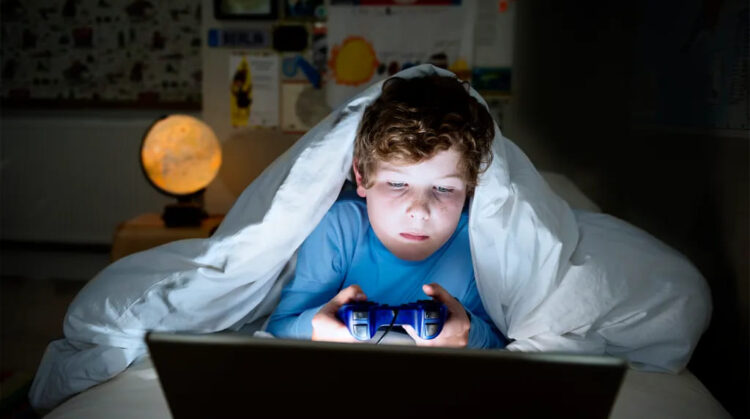
Gaming affects your child’s body, not just their mind. Kids who game excessively sit for hours. They don’t move. They develop poor posture. Back and neck pain show up. Obesity increases. Eye strain happens. Their eyes hurt. Vision gets blurry.
Sleep gets destroyed. Games, especially action games with fast-paced graphics, keep the brain overstimulated. The blue light from screens messes with melatonin production. Your child can’t fall asleep. They stay up till midnight gaming. Next morning they’re exhausted. Their whole day is affected.
दिसून येणाऱ्या शारीरिक समस्या

गेमिंगचा तुमच्या मुलाच्या केवळ मनावरच नाही, तर शरीरावरही परिणाम होतो. जे मुले जास्त वेळ गेम खेळतात, ती तासन्तास बसून राहतात. ते अजिबात हालचाल करत नाहीत. त्यांची बसण्याची स्थिती बिघडते. पाठ आणि मानेचे दुखणे सुरू होते. लठ्ठपणा वाढतो. डोळ्यांवर ताण येतो. त्यांचे डोळे दुखतात. दृष्टी धूसर होते.
झोपेचे वेळापत्रक बिघडते. गेम्स, विशेषतः वेगवान ग्राफिक्स असलेले ॲक्शन गेम्स, मेंदूला सतत उत्तेजित ठेवतात. स्क्रीनमधून निघणारा निळा प्रकाश मेलाटोनिनच्या निर्मितीमध्ये अडथळा आणतो. तुमच्या मुलाला झोप लागत नाही. ते मध्यरात्रीपर्यंत गेम खेळत जागे राहतात. दुसऱ्या दिवशी सकाळी ते थकलेले असतात. त्यांच्या संपूर्ण दिवसावर याचा परिणाम होतो.
The Mental Health Pieces That Worry Doctors
Gaming addiction is now officially recognized by the World Health Organization. It’s in the disease classification manual. That’s how serious it’s considered.
When children use gaming to escape feelings like sadness, anxiety, or anger, they’re not learning how to handle emotions. They’re avoiding them. This makes everything worse. They get more depressed. More anxious. The gaming becomes a cycle.
Your child starts skipping homework. Grades fall. This makes them feel worse. So they game more. Social skills suffer because they’re not practicing real conversations. They’re only talking to strangers online or not talking at all.
Some kids become aggressive. Not because they’re bad kids, but because violent games combined with poor emotional control and isolation can trigger aggressive thoughts and behaviors.
मानसिक आरोग्याच्या ज्या गोष्टी डॉक्टरांना चिंतेत टाकतात

गेमिंगच्या व्यसनाला आता जागतिक आरोग्य संघटनेने अधिकृतपणे मान्यता दिली आहे. त्याचा रोगांच्या वर्गीकरण पुस्तिकेत समावेश करण्यात आला आहे. यावरूनच ते किती गंभीर मानले जाते हे लक्षात येते.
जेव्हा मुले दुःख, चिंता किंवा राग यांसारख्या भावनांपासून दूर पळण्यासाठी गेमिंगचा वापर करतात, तेव्हा ते भावना कशा हाताळायच्या हे शिकत नाहीत. ते त्या भावना टाळत असतात. यामुळे परिस्थिती आणखी बिघडते. ते अधिक नैराश्यग्रस्त होतात. अधिक चिंताग्रस्त होतात. गेमिंग हे एक दुष्टचक्र बनते.
तुमचे मूल गृहपाठ करणे टाळू लागते. त्याचे गुण कमी होतात. यामुळे त्यांना अधिक वाईट वाटते. त्यामुळे ते अधिक गेम खेळतात. सामाजिक कौशल्यांवर परिणाम होतो कारण ते प्रत्यक्ष संवाद साधण्याचा सराव करत नाहीत. ते फक्त ऑनलाइन अनोळखी लोकांशी बोलतात किंवा अजिबात बोलत नाहीत.
काही मुले आक्रमक होतात. कारण ते वाईट मुले आहेत असे नाही, तर हिंसक खेळ, खराब भावनिक नियंत्रण आणि एकाकीपणा यांच्या संयोगामुळे आक्रमक विचार आणि वर्तन ट्रिगर होऊ शकते.
What Worries Me Most as a Pediatrician
Here’s what I see in my clinic. Boys are getting affected much more than girls. Around 80% of adolescent boys with gaming problems show severe sleep disturbance. They’re irritable, moody, fighting with parents.
Children under five are particularly vulnerable. A study showed that even one to three hours of screen time daily increased behavioral problems by 30%. More than three hours increased problems by 50-60%.
Kids with ADHD, anxiety, or depression are using games as self-medication. They think it’s helping. It’s not. It’s making things worse while their actual problems go untreated.
एक बालरोगतज्ञ म्हणून मला सर्वात जास्त कशाची चिंता वाटते

माझ्या क्लिनिकमध्ये मी जे पाहतो ते येथे आहे. मुलींपेक्षा मुलांना याचा जास्त त्रास होत आहे. गेमिंगची समस्या असलेल्या सुमारे ८०% किशोरवयीन मुलांमध्ये झोपेचा गंभीर त्रास दिसून येतो. ते चिडचिडे, मूडी होतात, पालकांशी भांडतात.
पाच वर्षांखालील मुले विशेषतः असुरक्षित आहेत. एका अभ्यासात असे दिसून आले की, दररोज एक ते तीन तास स्क्रीन टाइममुळे वर्तणुकीच्या समस्यांमध्ये ३०% वाढ झाली. तीन तासांपेक्षा जास्त वेळामुळे समस्यांमध्ये ५०-६०% वाढ झाली.
एडीएचडी, चिंता किंवा नैराश्य असलेल्या मुलांना गेमिंगचा वापर स्व-उपचार म्हणून करत आहेत. त्यांना वाटते की यामुळे मदत होत आहे. पण तसे नाही. यामुळे परिस्थिती आणखी बिघडत आहे, तर त्यांच्या मूळ समस्यांवर उपचार होत नाहीत.
It’s Not All Black and White
I want to be fair here. Some gaming is okay. Games can build problem-solving skills. Some games are educational. Online gaming can create friendships. Playing together can be social.
The problem is when it becomes excessive. When your child is gaming five hours a day. When they’re gaming late into the night. When they’re choosing games over school, sports, friends, and family. That’s when it becomes harmful.
सर्व काही इतके सरळ नसते.

मला इथे निष्पक्ष राहायचे आहे. काही प्रमाणात गेमिंग करणे ठीक आहे. गेम्समुळे समस्या सोडवण्याची कौशल्ये विकसित होऊ शकतात. काही गेम्स शैक्षणिक असतात. ऑनलाइन गेमिंगमुळे मैत्री निर्माण होऊ शकते. एकत्र खेळणे सामाजिक असू शकते.
समस्या तेव्हा निर्माण होते, जेव्हा त्याचे प्रमाण जास्त होते. जेव्हा तुमचे मूल दिवसातून पाच तास गेम खेळते. जेव्हा ते रात्री उशिरापर्यंत गेम खेळतात. जेव्हा ते शाळा, खेळ, मित्र आणि कुटुंबापेक्षा गेम्सना प्राधान्य देतात. तेव्हा ते हानिकारक ठरते.
What You Can Actually Do
Set clear rules and stick to them. Your child will fight you. That’s normal. Be consistent anyway.
Encourage other activities. Sports, music, reading, art, time with family. These things compete with gaming for your child’s attention.
Watch what games they’re playing. Know the content. Violent games are linked to more aggression. Addictive games are designed to keep them hooked.
Notice changes in behavior. Increased irritability, mood swings, declining grades, isolation from family and friends. These are warning signs.
If your child seems depressed, anxious, or is having thoughts of self-harm, talk to your pediatrician. This needs professional attention.
तुम्ही प्रत्यक्षात काय करू शकता

स्पष्ट नियम ठरवा आणि त्यांचे पालन करा. तुमचा मुलगा/मुलगी तुमच्याशी वाद घालेल. हे सामान्य आहे. तरीही सातत्य ठेवा.
इतर उपक्रमांना प्रोत्साहन द्या. खेळ, संगीत, वाचन, कला, कुटुंबासोबत वेळ घालवणे. या गोष्टी तुमच्या मुलाचे/मुलीचे लक्ष वेधण्यासाठी गेमिंगशी स्पर्धा करतात.
ते कोणते खेळ खेळत आहेत ते पहा. त्या खेळांमधील सामग्री जाणून घ्या. हिंसक खेळांचा संबंध अधिक आक्रमकतेशी असतो. व्यसन लावणारे खेळ मुलांना त्यात गुंतवून ठेवण्यासाठीच तयार केलेले असतात.
वर्तनातील बदलांकडे लक्ष द्या. वाढलेली चिडचिड, मनःस्थितीतील बदल, अभ्यासातील घसरण, कुटुंब आणि मित्रांपासून दूर राहणे. ही धोक्याची चिन्हे आहेत.
जर तुमचा मुलगा/मुलगी निराश, चिंताग्रस्त दिसत असेल किंवा त्याला/तिला स्वतःला इजा करण्याचे विचार येत असतील, तर तुमच्या बालरोगतज्ञांशी बोला. याकडे व्यावसायिक लक्ष देण्याची गरज आहे.
When It’s Addiction and Not Just Gaming
Your child becomes restless when they can’t game. They lie about how much they’re playing. They stop enjoying other activities. Gaming becomes their main way to deal with emotions. Grades collapse. They’re withdrawn from the family.
These are signs that professional help is needed. Gaming disorder clinics exist in India now. Nimhans in Bangalore and AIIMS in New Delhi have specialists. Early intervention works.
जेव्हा ही केवळ गेमिंग नसून व्यसन असते

जेव्हा तुमचे मूल गेम खेळू शकत नाही, तेव्हा ते अस्वस्थ होते. ते किती वेळ खेळतात याबद्दल खोटे बोलतात. त्यांना इतर गोष्टींमध्ये आनंद वाटेनासा होतो. भावनांना सामोरे जाण्यासाठी गेमिंग हाच त्यांचा मुख्य मार्ग बनतो. अभ्यासातील गुण घसरतात. ते कुटुंबापासून दूर जातात.
ही अशी चिन्हे आहेत की व्यावसायिक मदतीची आवश्यकता आहे. भारतात आता गेमिंग विकारासाठी दवाखाने अस्तित्वात आहेत. बंगळूरमधील निमहंस आणि नवी दिल्लीतील एम्समध्ये विशेषज्ञ आहेत. लवकर उपचार केल्यास फायदा होतो.
Video games aren’t going away. Your child will game. That’s reality. But you’re the parent. You have authority over how much they game. Use it.
The latest research is clear. Excessive gaming harms children’s mental and physical health. But moderate gaming with clear limits and parental involvement is manageable.
Know what your child is doing. Notice changes. Set boundaries. Encourage other activities. If you see real problems, don’t wait. Get professional help.
Your child’s future depends on the habits they build now. Gaming is just one part of their life. Make sure it stays a small part.
व्हिडिओ गेम्स कुठेही जाणार नाहीत. तुमचे मूल गेम्स खेळणारच. हेच वास्तव आहे. पण तुम्ही पालक आहात. ते किती वेळ गेम्स खेळतात, यावर तुमचा अधिकार आहे. त्याचा वापर करा.
नवीनतम संशोधन स्पष्टपणे सांगते की, जास्त गेमिंगमुळे मुलांच्या मानसिक आणि शारीरिक आरोग्याला हानी पोहोचते. परंतु स्पष्ट मर्यादा आणि पालकांच्या सहभागासह मर्यादित गेमिंग व्यवस्थापित करणे शक्य आहे.
तुमचे मूल काय करत आहे हे जाणून घ्या. बदलांकडे लक्ष द्या. मर्यादा निश्चित करा. इतर कामांना प्रोत्साहन द्या. जर तुम्हाला खऱ्या समस्या दिसल्या, तर वाट पाहू नका. व्यावसायिक मदत घ्या.
तुमच्या मुलाचे भविष्य आताच्या सवयींवर अवलंबून आहे. गेमिंग हा त्यांच्या आयुष्याचा फक्त एक भाग आहे. तो एक छोटासाच भाग राहील याची खात्री करा.
About the Author
Dr. Suhas Sodal, MBBS, MD (Pediatrics), brings over 15 years of experience caring for children in Pimple Gurav, Pimpri, and surrounding areas.
He specializes in pediatric infectious diseases, childhood allergies and asthma, vaccines, and nutrition.
Dr. Sodal has led multiple clinical trials on vaccine safety and efficacy, ensuring evidence-based care.
His passion for pediatric nutrition drives innovative, child-friendly dietary guidance rooted in Indian traditions.
Families in Pimple Gurav, Pimple Saudagar, Rahatani, Wakad, Aundh, Dapodi, Sangvi, Bhosari, Pimpri, and Vallabh Nagar trust his expertise.
He practices at IRA Children’s Clinic in Pimple Gurav, offering personalized treatment plans for every child.
Dr. Sodal’s holistic approach blends modern medicine with practical nutritional advice for optimal growth.
His clinic is known for compassionate care, helping children thrive through preventive and curative services.
Parents seeking reliable pediatric advice can reach IRA Children’s Clinic at 7276012600.
Dr. Sodal remains dedicated to advancing child health and wellness in the Pune region.
लेखकाबद्दल

डॉ. सुहास सोडल, एमबीबीएस, एमडी (बालरोगशास्त्र) यांना पिंपळे गुरव, पिंपरी आणि आसपासच्या परिसरातील मुलांची काळजी घेण्याचा १५ वर्षांहून अधिक अनुभव आहे.
ते बालरोग संसर्गजन्य रोग, बालपणीच्या ऍलर्जी आणि दमा, लस आणि पोषण या विषयांमध्ये तज्ज्ञ आहेत.
डॉ. सोडल यांनी लसीची सुरक्षितता आणि परिणामकारकता यावर अनेक क्लिनिकल चाचण्यांचे नेतृत्व केले आहे, ज्यामुळे पुराव्यावर आधारित काळजी सुनिश्चित होते.
बालरोग पोषणाबद्दलची त्यांची आवड भारतीय परंपरांमध्ये रुजलेली नाविन्यपूर्ण, बाल-अनुकूल आहार मार्गदर्शन करते.
पिंपळे गुरव, पिंपळे सौदागर, रहाटणी, वाकड, औंध, दापोडी, सांगवी, भोसरी, पिंपरी आणि वल्लभ नगरमधील कुटुंबे त्यांच्या कौशल्यावर विश्वास ठेवतात.
ते पिंपळे गुरव येथील आयआरए चिल्ड्रन्स क्लिनिकमध्ये प्रॅक्टिस करतात, प्रत्येक मुलासाठी वैयक्तिकृत उपचार योजना देतात.
डॉ. सोडल यांचा समग्र दृष्टिकोन आधुनिक औषधांना इष्टतम वाढीसाठी व्यावहारिक पौष्टिक सल्ल्यासह एकत्रित करतो.
त्यांचे क्लिनिक दयाळू काळजीसाठी ओळखले जाते, प्रतिबंधात्मक आणि उपचारात्मक सेवांद्वारे मुलांना भरभराट करण्यास मदत करते.
विश्वसनीय बालरोग सल्ला मिळवणाऱ्या पालकांना इरा चिल्ड्रन्स क्लिनिकशी ७२७६०१२६०० या क्रमांकावर संपर्क साधता येईल.
डॉ. सोडल पुणे प्रदेशात बाल आरोग्य आणि निरोगीपणा वाढवण्यासाठी समर्पित आहेत.
Disclaimer:
काळजीपूर्वक लक्षात घ्या:




Leave a comment