
September 4, 2026
Do You Want Your Child to Enjoy Dahi Handi? Start With What’s in the Handi.
मुलांमधील पोटदुखी: जेव्हा ती मेसेंटेरिक लिम्फॅडेनायटिसमुळे होते आणि त्याबद्दल तुम्हाला काय माहित असले पाहिजे
When Your Child Complains About Belly Pain
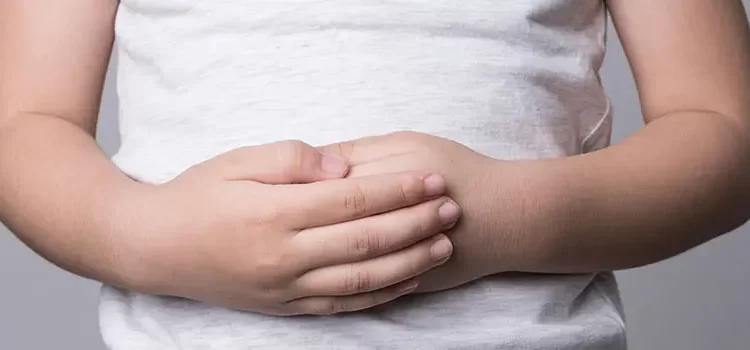
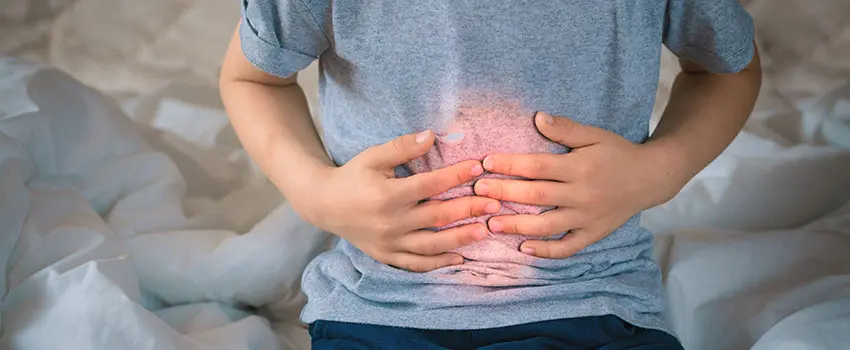
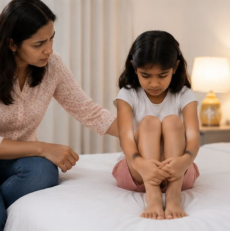
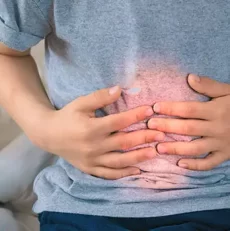
Your child wakes up with stomach pain. You can’t see anything obviously wrong. They have fever. Maybe some nausea or loose motions. You’re worried. Is it appendicitis? Is it something serious?
Here’s what happens in many Indian households. Parents immediately rush to the hospital thinking surgery might be needed. But more often than not, it’s something called mesenteric lymphadenitis. It sounds scary but it’s actually quite common and usually harmless.
Let me explain what it is and what you need to do about it.
जेव्हा तुमचे मूल पोटदुखीची तक्रार करते

तुमचे मूल पोटदुखीने जागे होते. तुम्हाला वरवर पाहता काहीही गंभीर दिसत नाही. त्याला ताप आहे. कदाचित मळमळ किंवा जुलाबही होत आहेत. तुम्हाला काळजी वाटते. हे अपेंडिसायटिस आहे का? ही काही गंभीर गोष्ट आहे का?
अनेक भारतीय घरांमध्ये असेच घडते. शस्त्रक्रियेची गरज भासेल या विचाराने पालक लगेच रुग्णालयात धाव घेतात. पण बहुतेक वेळा, ही मेसेंटेरिक लिम्फॅडेनायटिस नावाची एक स्थिती असते. हे नाव ऐकायला भीतीदायक वाटते, पण प्रत्यक्षात ही एक सामान्य आणि सहसा निरुपद्रवी स्थिती आहे.
मी तुम्हाला समजावून सांगतो की ही स्थिती काय आहे आणि त्यावर तुम्हाला काय करण्याची गरज आहे.
What Is Mesenteric Lymphadenitis
Your child has small glands called lymph nodes throughout their body. These nodes fight infections. They’re like your body’s defense system. When an infection happens, these nodes swell up to help fight the germs.
Inside your abdomen, there are lymph nodes in the tissue that holds the intestines to the abdominal wall. This tissue is called mesentery. When these lymph nodes swell up from fighting an infection, you get mesenteric lymphadenitis. That’s just a fancy way of saying swollen belly lymph nodes.
About 4.5% of children who come to the emergency room with belly pain actually have mesenteric lymphadenitis instead of appendicitis. And here’s the important part. Most of these children get better on their own without any surgery or medication.
मेसेंटेरिक लिम्फॅडेनायटिस म्हणजे काय?

तुमच्या मुलाच्या शरीरात सर्वत्र लिम्फ नोड्स नावाच्या लहान ग्रंथी असतात. या ग्रंथी संसर्गाशी लढतात. त्या तुमच्या शरीराच्या संरक्षण प्रणालीसारख्या असतात. जेव्हा संसर्ग होतो, तेव्हा या ग्रंथी जंतूंशी लढण्यास मदत करण्यासाठी सुजतात.
तुमच्या पोटाच्या आत, आतड्यांना पोटाच्या भिंतीला जोडून ठेवणाऱ्या ऊतींमध्ये लिम्फ नोड्स असतात. या ऊतींना मेसेंटरी म्हणतात. जेव्हा या लिम्फ नोड्स संसर्गाशी लढताना सुजतात, तेव्हा मेसेंटेरिक लिम्फॅडेनायटिस होतो. हा पोटातील लिम्फ नोड्स सुजल्याचे सांगण्याचा एक वैद्यकीय शब्द आहे.
पोटदुखीमुळे आपत्कालीन विभागात येणाऱ्या सुमारे ४.५% मुलांना ॲपेन्डिसाइटिसऐवजी प्रत्यक्षात मेसेंटेरिक लिम्फॅडेनायटिस असतो. आणि महत्त्वाचा भाग हा आहे की, यापैकी बहुतेक मुले कोणत्याही शस्त्रक्रियेशिवाय किंवा औषधांशिवाय स्वतःहून बरी होतात.
Symptoms Your Child Will Have
The pain usually shows up in the lower right part of the belly. Sound familiar? That’s exactly where appendicitis pain shows up too. That’s why it gets confusing.
But there are signs that help tell them apart. With mesenteric lymphadenitis, the belly is tender but not extremely rigid. Your child can move around a bit more easily than they would with appendicitis.
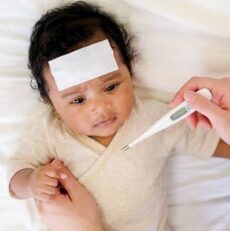
You’ll see fever. Usually mild to moderate. Around 38 to 39 degrees Celsius. Your child might feel nauseous or actually vomit. Many children have loose stools or diarrhea. They feel generally sick and tired.
The pain is real. It’s not made up. Your child isn’t being dramatic. But unlike appendicitis where the pain keeps getting worse, with mesenteric lymphadenitis the pain tends to stay the same or get slowly better.
तुमच्या मुलामध्ये दिसणारी लक्षणे

वेदना सहसा पोटाच्या खालच्या उजव्या भागात जाणवते. हे ओळखीचे वाटतेय का? अपेंडिसायटीसची वेदना देखील नेमकी त्याच ठिकाणी होते. म्हणूनच गोंधळ निर्माण होतो.
पण काही चिन्हे आहेत जी या दोन्हींमधील फरक ओळखायला मदत करतात. मेसेंटेरिक लिम्फॅडेनायटिसमध्ये, पोट दाबल्यावर दुखते, पण ते खूप कडक नसते. अपेंडिसायटीसच्या तुलनेत तुमचे मूल थोडे अधिक सहजपणे हालचाल करू शकते.
तुम्हाला ताप दिसेल. सहसा सौम्य ते मध्यम स्वरूपाचा. सुमारे ३८ ते ३९ अंश सेल्सिअस. तुमच्या मुलाला मळमळ होऊ शकते किंवा उलट्याही होऊ शकतात. अनेक मुलांना पातळ शौचास किंवा जुलाब होतात. त्यांना सर्वसाधारणपणे आजारी आणि थकल्यासारखे वाटते.
वेदना खरी असते. ती बनावट नसते. तुमचे मूल नाटक करत नसते. पण अपेंडिसायटीसमध्ये वेदना सतत वाढत जाते, याउलट मेसेंटेरिक लिम्फॅडेनायटिसमध्ये वेदना तशीच राहते किंवा हळूहळू कमी होते.
What Causes It
Viruses are the biggest culprit. Your child catches a stomach virus or a respiratory virus. It spreads to the lymph nodes in the belly. Those lymph nodes swell up fighting the infection. Pain happens.
Adenovirus is a common one. Rotavirus can cause it. Even a simple cold virus can trigger swollen belly lymph nodes. Bacterial infections also cause it. Yersinia bacteria, which sometimes contaminates undercooked pork or unpasteurised milk, is known for this.
The timing usually tells you something happened before. Your child had diarrhea. Or maybe a cold. Or they seemed unwell. Then the belly pain starts.
याचे कारण काय आहे

व्हायरस हे सर्वात मोठे गुन्हेगार आहेत. तुमच्या मुलाला पोटातील विषाणू किंवा श्वसन विषाणूची लागण होते. ते पोटातील लिम्फ नोड्समध्ये पसरते. संसर्गाशी लढताना त्या लिम्फ नोड्स फुगतात. वेदना होतात.
एडेनोव्हायरस हा एक सामान्य आजार आहे. रोटाव्हायरसमुळे ते होऊ शकते. अगदी साध्या सर्दी विषाणूमुळेही पोटातील लिम्फ नोड्स सुजतात. बॅक्टेरियाच्या संसर्गामुळेही ते होऊ शकते. येर्सिनिया बॅक्टेरिया, जे कधीकधी कमी शिजवलेले डुकराचे मांस किंवा पाश्चराइज्ड न केलेले दूध दूषित करते, यासाठी ओळखले जाते.
वेळ सहसा तुम्हाला आधी काहीतरी घडल्याचे सांगते. तुमच्या मुलाला अतिसार झाला होता. किंवा कदाचित सर्दी झाली होती. किंवा ते आजारी दिसत होते. मग पोटदुखी सुरू होते.
When You Should Worry
Here’s the thing. If your child has mesenteric lymphadenitis, most of the time you don’t need surgery. Most of the time you don’t need antibiotics. Your child’s own immune system handles it.
But you do need to see your pediatrician to make sure it’s actually mesenteric lymphadenitis and not appendicitis or something else that needs surgery.
Call your doctor if your child has severe pain that doesn’t improve in a couple of hours. If they’re vomiting so much they can’t keep any fluids down. If they have high fever that won’t come down. If they seem extremely unwell or confused. If the pain lasts more than a few days and keeps getting worse.
Get emergency care if your child has a rigid, board-like belly that’s very tender. If they scream when you touch it. If they’re lying completely still and won’t move. These are signs of something serious.
तुम्ही कधी काळजी करावी

मुद्दा असा आहे की, जर तुमच्या मुलाला मेसेंटेरिक लिम्फॅडेनायटिस झाला असेल, तर बहुतेक वेळा शस्त्रक्रियेची गरज नसते. बहुतेक वेळा प्रतिजैविकांचीही गरज नसते. तुमच्या मुलाची स्वतःची रोगप्रतिकारशक्तीच यावर मात करते.
पण हे खरंच मेसेंटेरिक लिम्फॅडेनायटिस आहे आणि अपेंडिसायटिस किंवा शस्त्रक्रियेची गरज असलेल्या इतर कोणताही आजार नाही, याची खात्री करण्यासाठी तुम्ही तुमच्या बालरोगतज्ञांना भेटणे आवश्यक आहे.
जर तुमच्या मुलाला तीव्र वेदना होत असतील आणि त्या काही तासांत कमी होत नसतील, तर तुमच्या डॉक्टरांना फोन करा. जर त्यांना इतकी उलट्या होत असतील की ते काहीही द्रवपदार्थ पोटात ठेवू शकत नसतील. जर त्यांना खूप ताप असेल जो कमी होत नसेल. जर ते खूपच अस्वस्थ किंवा गोंधळलेले दिसत असतील. जर वेदना काही दिवसांपेक्षा जास्त काळ टिकून राहिल्या आणि वाढतच गेल्या, तर डॉक्टरांना फोन करा.
जर तुमच्या मुलाचे पोट कडक, फळीसारखे झाले असेल आणि त्याला स्पर्श केल्यास खूप दुखत असेल, तर तातडीने वैद्यकीय मदत घ्या. जर स्पर्श केल्यावर ते ओरडत असतील. जर ते पूर्णपणे शांत पडून असतील आणि अजिबात हालचाल करत नसतील. ही काहीतरी गंभीर आजाराची चिन्हे आहेत.
Treatment Is Simple
Here’s the good news. Most of the time treatment is rest and fluids. That’s it. No surgery. No antibiotics unless it’s definitely bacterial.
Keep your child comfortable. Give pain relief medications if needed. Not aspirin, but other over-the-counter options work fine. Encourage them to drink plenty of water and electrolyte solutions. This prevents dehydration from fever and vomiting.
Apply a warm compress to the belly area. This gives comfort and relief. Let your child rest as much as possible. Most children start feeling better within a few days. Complete recovery usually takes 1-2 weeks.
If your doctor determines it’s definitely bacterial infection, then antibiotics help. But this is rare.
उपचार सोपा आहे

ही चांगली बातमी आहे. बहुतेक वेळा उपचारांमध्ये फक्त आराम करणे आणि भरपूर द्रव पदार्थ घेणे यांचा समावेश असतो. बस इतकेच. कोणतीही शस्त्रक्रिया नाही. जर संसर्ग निश्चितपणे जिवाणूजन्य असेल, तरच प्रतिजैविके (अँटीबायोटिक्स) दिली जातात.
तुमच्या मुलाला आराम मिळेल याची काळजी घ्या. आवश्यक असल्यास वेदनाशामक औषधे द्या. ॲस्पिरिन नाही, पण इतर ओव्हर-द-काउंटर औषधे चालतील. त्यांना भरपूर पाणी आणि इलेक्ट्रोलाइट द्रावण पिण्यास प्रोत्साहित करा. यामुळे ताप आणि उलट्यांमुळे होणारी पाण्याची कमतरता (निर्जलीकरण) टाळता येते.
पोटावर कोमट शेक द्या. यामुळे आराम मिळतो. तुमच्या मुलाला शक्य तितका आराम करू द्या. बहुतेक मुलांना काही दिवसांत बरे वाटू लागते. पूर्ण बरे होण्यासाठी सहसा १-२ आठवडे लागतात.
जर तुमच्या डॉक्टरांनी तो निश्चितपणे जिवाणूजन्य संसर्ग असल्याचे ठरवले, तर प्रतिजैविके (अँटीबायोटिक्स) उपयुक्त ठरतात. पण असे क्वचितच घडते.
Prevention Matters
Good hand hygiene is the biggest thing. Teach your child to wash hands with soap for at least 20 seconds. Especially before eating and after using the toilet.
Cook meat thoroughly. Never serve undercooked pork or chicken to your children. This prevents bacterial infections like Yersinia.
Use only pasteurised milk products. Never give raw or unpasteurised milk.
When your child is sick with a stomach virus, keep them home from school. This prevents spreading to other children.
Make sure vaccinations are up to date. Some vaccines help prevent infections that can cause this problem.
प्रतिबंध महत्त्वाचा आहे

चांगली हात स्वच्छता ही सर्वात महत्त्वाची गोष्ट आहे. तुमच्या मुलाला किमान २० सेकंद साबणाने हात धुवायला शिकवा. विशेषतः जेवण्यापूर्वी आणि शौचालय वापरल्यानंतर.
मांस पूर्णपणे शिजवा. तुमच्या मुलांना कधीही अर्धवट शिजवलेले डुकराचे किंवा कोंबडीचे मांस देऊ नका. यामुळे येर्सिनियासारख्या जिवाणू संसर्गास प्रतिबंध होतो.
केवळ पाश्चराइज्ड दुग्धजन्य पदार्थांचा वापर करा. कच्चे किंवा पाश्चराइज्ड न केलेले दूध कधीही देऊ नका.
जेव्हा तुमचे मूल पोटाच्या विषाणूमुळे आजारी असेल, तेव्हा त्याला शाळेत पाठवू नका. यामुळे इतर मुलांमध्ये संसर्ग पसरण्यास प्रतिबंध होतो.
लसीकरण अद्ययावत असल्याची खात्री करा. काही लसी या समस्येस कारणीभूत ठरू शकणाऱ्या संसर्गांना प्रतिबंध करण्यास मदत करतात.
The Bottom Line
Belly pain in children is scary for parents. But most of the time it’s not appendicitis. It’s often something like mesenteric lymphadenitis that your child’s body handles on its own.
The key is getting your child checked by a pediatrician. We can tell the difference between serious problems and things that will get better. Once you know it’s mesenteric lymphadenitis, you can relax. No surgery needed. Just rest, fluids, and comfort measures.
Most children feel much better in 3-5 days. Complete recovery in 1-2 weeks. Your child returns to normal activities once the symptoms are gone.
If you ever have doubt about whether to bring your child in, bring them in. It’s always better to check and be sure. That’s what we’re here for.
सारांश

लहान मुलांच्या पोटदुखीमुळे पालकांना काळजी वाटते. पण बहुतेक वेळा ते अपेंडिसायटिस नसते. अनेकदा ती मेसेंटेरिक लिम्फॅडेनायटिससारखी एखादी साधी समस्या असते, जी मुलाचे शरीर स्वतःच बरी करते.
महत्त्वाची गोष्ट म्हणजे तुमच्या मुलाला बालरोगतज्ञांकडून तपासून घेणे. गंभीर समस्या आणि आपोआप बऱ्या होणाऱ्या गोष्टींमधील फरक आम्ही ओळखू शकतो. एकदा तुम्हाला कळले की हे मेसेंटेरिक लिम्फॅडेनायटिस आहे, की तुम्ही निश्चिंत होऊ शकता. शस्त्रक्रियेची गरज नसते. फक्त आराम, पुरेसे द्रव पदार्थ आणि आरामदायी उपाय पुरेसे आहेत.
बहुतेक मुलांना ३-५ दिवसांत खूप बरे वाटते. १-२ आठवड्यांत पूर्णपणे बरे होतात. लक्षणे नाहीशी झाल्यावर तुमचे मूल सामान्य दिनचर्या सुरू करते.
तुमच्या मुलाला डॉक्टरांकडे आणावे की नाही याबद्दल तुम्हाला कधीही शंका असल्यास, त्याला नक्की आणा. तपासणी करून खात्री करून घेणे नेहमीच चांगले असते. आम्ही त्यासाठीच येथे आहोत.
About the Author
Dr. Suhas Sodal, MBBS, MD (Pediatrics), brings over 15 years of experience caring for children in Pimple Gurav, Pimpri, and surrounding areas.
He specializes in pediatric infectious diseases, childhood allergies and asthma, vaccines, and nutrition.
Dr. Sodal has led multiple clinical trials on vaccine safety and efficacy, ensuring evidence-based care.
His passion for pediatric nutrition drives innovative, child-friendly dietary guidance rooted in Indian traditions.
Families in Pimple Gurav, Pimple Saudagar, Rahatani, Wakad, Aundh, Dapodi, Sangvi, Bhosari, Pimpri, and Vallabh Nagar trust his expertise.
He practices at IRA Children’s Clinic in Pimple Gurav, offering personalized treatment plans for every child.
Dr. Sodal’s holistic approach blends modern medicine with practical nutritional advice for optimal growth.
His clinic is known for compassionate care, helping children thrive through preventive and curative services.
Parents seeking reliable pediatric advice can reach IRA Children’s Clinic at 7276012600.
Dr. Sodal remains dedicated to advancing child health and wellness in the Pune region.
लेखकाबद्दल

डॉ. सुहास सोडल, एमबीबीएस, एमडी (बालरोगशास्त्र) यांना पिंपळे गुरव, पिंपरी आणि आसपासच्या परिसरातील मुलांची काळजी घेण्याचा १५ वर्षांहून अधिक अनुभव आहे.
ते बालरोग संसर्गजन्य रोग, बालपणीच्या ऍलर्जी आणि दमा, लस आणि पोषण या विषयांमध्ये तज्ज्ञ आहेत.
डॉ. सोडल यांनी लसीची सुरक्षितता आणि परिणामकारकता यावर अनेक क्लिनिकल चाचण्यांचे नेतृत्व केले आहे, ज्यामुळे पुराव्यावर आधारित काळजी सुनिश्चित होते.
बालरोग पोषणाबद्दलची त्यांची आवड भारतीय परंपरांमध्ये रुजलेली नाविन्यपूर्ण, बाल-अनुकूल आहार मार्गदर्शन करते.
पिंपळे गुरव, पिंपळे सौदागर, रहाटणी, वाकड, औंध, दापोडी, सांगवी, भोसरी, पिंपरी आणि वल्लभ नगरमधील कुटुंबे त्यांच्या कौशल्यावर विश्वास ठेवतात.
ते पिंपळे गुरव येथील आयआरए चिल्ड्रन्स क्लिनिकमध्ये प्रॅक्टिस करतात, प्रत्येक मुलासाठी वैयक्तिकृत उपचार योजना देतात.
डॉ. सोडल यांचा समग्र दृष्टिकोन आधुनिक औषधांना इष्टतम वाढीसाठी व्यावहारिक पौष्टिक सल्ल्यासह एकत्रित करतो.
त्यांचे क्लिनिक दयाळू काळजीसाठी ओळखले जाते, प्रतिबंधात्मक आणि उपचारात्मक सेवांद्वारे मुलांना भरभराट करण्यास मदत करते.
विश्वसनीय बालरोग सल्ला मिळवणाऱ्या पालकांना इरा चिल्ड्रन्स क्लिनिकशी ७२७६०१२६०० या क्रमांकावर संपर्क साधता येईल.
डॉ. सोडल पुणे प्रदेशात बाल आरोग्य आणि निरोगीपणा वाढवण्यासाठी समर्पित आहेत.
Disclaimer:
काळजीपूर्वक लक्षात घ्या:



Leave a comment