

August 22, 2026
Fever That Won’t Break: What to Do When Paracetamol Just Isn’t Cutting It
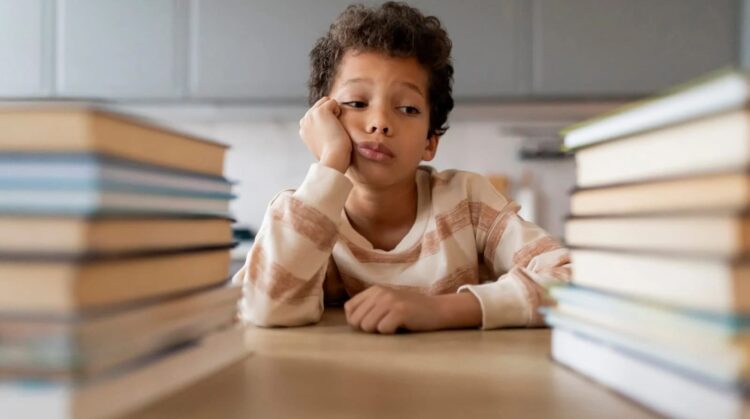
मुलांमध्ये शैक्षणिक दबाव आणि मानसिक आरोग्य

I had a parent in my clinic last week whose 14-year-old daughter couldn’t sleep. She’d lie awake thinking about her board exam which was still five months away. Another parent told me his son had started having panic attacks during study time. A third parent confessed she couldn’t even talk to her daughter about anything other than marks anymore.
This is what academic pressure looks like in India today. And honestly, it’s becoming a serious mental health crisis.
गेल्या आठवड्यात माझ्या क्लिनिकमध्ये एक पालक होते ज्यांची १४ वर्षांची मुलगी झोपू शकत नव्हती. पाच महिने बाकी असलेल्या तिच्या बोर्ड परीक्षेबद्दल विचार करत ती जागे राहायची. दुसऱ्या पालकाने मला सांगितले की त्याच्या मुलाला अभ्यासादरम्यान पॅनिक अटॅक येऊ लागले होते. तिसऱ्या पालकाने कबूल केले की ती आता तिच्या मुलीशी गुणांव्यतिरिक्त इतर कोणत्याही गोष्टीबद्दल बोलू शकत नाही.
आज भारतात शैक्षणिक दबाव असाच दिसतो. आणि प्रामाणिकपणे सांगायचे तर, ते एक गंभीर मानसिक आरोग्य संकट बनत चालले आहे.
The Real Numbers (And They’re Scary)
Let me give you the facts straight up. In 2023, India lost 13,892 students to suicide. That’s 38 students every single day. One every hour and a half.
When researchers looked at school children, they found that 68% are experiencing high academic stress and 45% have significant anxiety. One in five students rarely feel calm or motivated.Depression affects about 26% of school-going adolescents, and anxiety affects 14%. These aren’t small numbers. These are your neighbors’ kids. Possibly your own kid.
The worst part? Many parents don’t even realize their child is struggling because the child learned to hide it.
खरे आकडे (आणि ते भयानक आहेत)

मी तुम्हाला वस्तुस्थिती सरळ सांगतो. २०२३ मध्ये, भारतात १३,८९२ विद्यार्थ्यांनी आत्महत्या केल्या. म्हणजे दररोज ३८ विद्यार्थी. दर दीड तासाला एक.

संशोधकांनी शालेय मुलांकडे पाहिले तेव्हा त्यांना आढळले की ६८% विद्यार्थी उच्च शैक्षणिक ताण अनुभवत आहेत आणि ४५% लोकांमध्ये लक्षणीय चिंता आहे. पाचपैकी एक विद्यार्थी क्वचितच शांत किंवा प्रेरित वाटतो.
शाळेत जाणाऱ्या किशोरवयीन मुलांपैकी सुमारे २६% लोकांना नैराश्याचा त्रास होतो आणि १४% लोकांना चिंताचा त्रास होतो. ही छोटी संख्या नाही. ही तुमच्या शेजाऱ्यांची मुले आहेत. कदाचित तुमचे स्वतःचे मूल.

सर्वात वाईट गोष्ट? अनेक पालकांना हे देखील कळत नाही की त्यांचे मूल संघर्ष करत आहे कारण मुलाने ते लपवायला शिकले आहे.
Why India’s Pressure is Uniquely Brutal
Here’s what makes India different from other countries. In America or Europe, if a kid gets a B grade, parents say “that’s good.” In India, parents ask “why not an A?”.
This happens because of something deeper in our culture. We’ve turned academic achievement into a measure of a child’s worth. If your child doesn’t get into IIT or medical school, society (and often parents) makes them feel like they’ve failed at life itself.
Parents put enormous expectations on their kids – to top the class, crack competitive exams, secure a “safe” career. Over time, the child starts believing that if they don’t perform, they’re not good enough as a person.
4 or more tutors? That’s linked to even higher stress and anxiety.
भारताचा दबाव अद्वितीयपणे क्रूर का आहे

भारत इतर देशांपेक्षा वेगळे आहे हे येथे आहे. अमेरिका किंवा युरोपमध्ये, जर एखाद्या मुलाला बी ग्रेड मिळाला तर पालक म्हणतात "ते चांगले आहे." भारतात, पालक विचारतात "ए का नाही?"

हे आपल्या संस्कृतीत खोलवर असलेल्या गोष्टीमुळे घडते. आपण शैक्षणिक कामगिरीला मुलाच्या मूल्याचे मोजमाप बनवले आहे. जर तुमचे मूल आयआयटी किंवा वैद्यकीय शाळेत प्रवेश घेत नसेल, तर समाज (आणि बहुतेकदा पालक) त्यांना असे वाटू देतो की ते आयुष्यातच अपयशी ठरले आहेत.

पालक त्यांच्या मुलांवर मोठ्या अपेक्षा ठेवतात - वर्गात अव्वल होण्यासाठी, स्पर्धा परीक्षा उत्तीर्ण होण्यासाठी, "सुरक्षित" करिअर मिळवण्यासाठी. कालांतराने, मुलाला असे वाटू लागते की जर त्यांनी कामगिरी केली नाही तर ते एक व्यक्ती म्हणून पुरेसे चांगले नाहीत.
४ किंवा त्याहून अधिक शिक्षक? हे आणखी जास्त ताण आणि चिंताशी जोडलेले आहे.
What Happens to a Child Under This Pressure
The stress doesn’t just stay in their head. It shows up everywhere.
Sleep gets destroyed. Grade 12 students are sleeping less than 7 hours on school nights. Many can’t sleep at all because their brain is stuck in exam mode.
Physical health suffers. Kids complain of stomach problems, headaches, muscle tension – but when you check them medically, there’s nothing wrong. It’s stress manifesting as physical pain.
They lose interest in everything. That child who loved drawing or playing cricket? They stop doing it because studying has consumed their entire life.
School avoidance kicks in. Some kids start making excuses not to go to school because they can’t handle the pressure.
And then comes the dangerous part. Anxiety spirals. Depression deepens. Some kids start thinking that life isn’t worth living.
या दबावाखाली असलेल्या मुलाचे काय होते

ताण फक्त त्यांच्या डोक्यातच राहत नाही. तो सर्वत्र दिसून येतो.

झोप नष्ट होते. बारावीचे विद्यार्थी शाळेतील रात्री ७ तासांपेक्षा कमी झोपतात. अनेकांना त्यांचा मेंदू परीक्षेच्या गोंधळात अडकल्यामुळे अजिबात झोप येत नाही.

शारीरिक आरोग्य बिघडते. मुले पोटाच्या समस्या, डोकेदुखी, स्नायूंच्या ताणाची तक्रार करतात - परंतु जेव्हा तुम्ही त्यांची वैद्यकीय तपासणी करता तेव्हा काहीही चुकीचे नसते. शारीरिक वेदना म्हणून दिसून येणारा ताण.

ते सर्व गोष्टींमध्ये रस गमावतात. ज्या मुलाला चित्रकला किंवा क्रिकेट खेळायला आवडते ते मूल? ते ते करणे थांबवतात कारण अभ्यासाने त्यांचे संपूर्ण आयुष्य वाया घालवले आहे.

शाळेतील टाळाटाळ सुरू होते. काही मुले दबाव सहन करू शकत नाहीत म्हणून शाळेत न जाण्याचे निमित्त करू लागतात.

आणि मग धोकादायक भाग येतो. चिंता वाढते. नैराश्य वाढते. काही मुले असे विचार करू लागतात की जीवन जगण्यासारखे नाही.
The Dangerous Belief That Kills
Here’s what breaks my heart about these numbers. When a student fails an exam or doesn’t get the marks they wanted, they often start believing one thing: “I’m a failure. My life is over. I’m not worth anything.”
That belief – that a single exam or a single failure means your entire life is ruined – is what turns exam stress into something fatal.
And where does this belief come from? Usually from hearing parents, teachers, and society reinforce it over and over: “Your marks define you. If you don’t succeed academically, you’ll have no future.”
धोकादायक श्रद्धा जी जीवघेणी ठरते

या आकड्यांबद्दल माझे मन हे ऐकून दुखते. जेव्हा एखादा विद्यार्थी परीक्षेत नापास होतो किंवा त्याला हवे असलेले गुण मिळत नाहीत, तेव्हा ते अनेकदा एकाच गोष्टीवर विश्वास ठेवू लागतात: “मी नापास झालो आहे. माझे आयुष्य संपले आहे. मी कोणत्याही गोष्टीला लायक नाही.”

एक परीक्षा किंवा एक नापास म्हणजे तुमचे संपूर्ण आयुष्य उद्ध्वस्त होते असा हा विश्वास परीक्षेच्या ताणाला घातक बनवतो.

आणि हा विश्वास कुठून येतो? सहसा पालक, शिक्षक आणि समाजाकडून वारंवार ऐकून ते बळकट होते: “तुमचे गुण तुम्हाला परिभाषित करतात. जर तुम्ही शैक्षणिकदृष्ट्या यशस्वी झाला नाही तर तुमचे भविष्य राहणार नाही.”
The Education System Isn’t Helping
I’m not blaming teachers. Most of them are doing their best within a broken system.
But here’s the problem: Our education system focuses on ranks, marks, and cut-offs – not on effort, curiosity, or actual learning.
It teaches kids to memorize, not to think. It teaches them to fear failure, not to learn from it. And it rarely has trained counselors or teachers trained in emotional support.
Many schools still use corporal punishment. Kids who get hit or humiliated for poor performance? They develop even higher anxiety and depression.
शिक्षण व्यवस्था मदत करत नाहीये

मी शिक्षकांना दोष देत नाहीये. बहुतेक जण एका तुटलेल्या व्यवस्थेत आपले सर्वोत्तम काम करत आहेत.

पण समस्या अशी आहे: आपली शिक्षण व्यवस्था रँक, गुण आणि कट-ऑफवर लक्ष केंद्रित करते - प्रयत्न, कुतूहल किंवा प्रत्यक्ष शिक्षणावर नाही.

ती मुलांना लक्षात ठेवण्यास शिकवते, विचार करू नये. ती त्यांना अपयशाची भीती बाळगण्यास शिकवते, त्यातून शिकू नये. आणि त्यात क्वचितच प्रशिक्षित समुपदेशक किंवा भावनिक आधारासाठी प्रशिक्षित शिक्षक असतात.

बऱ्याच शाळा अजूनही शारीरिक शिक्षा वापरतात. ज्या मुलांना खराब कामगिरीसाठी मारहाण किंवा अपमानित केले जाते? त्यांच्यात चिंता आणि नैराश्य आणखी वाढते.
The Parent’s Role (The Honest Part)
I know you want your child to succeed. You’re not trying to harm them. You genuinely believe that pushing hard is what will help them.
But here’s the truth: Parental pressure is actually the primary source of stress for children – even more than peer pressure.
When you constantly ask “Why didn’t you get 95?”, when you compare them to their cousin who scored higher, when you express disappointment instead of understanding – that’s what pushes them over the edge.
And ironically, children under extreme parental pressure actually perform worse academically, not better.
पालकांची भूमिका (प्रामाणिक भाग)

मला माहित आहे की तुम्हाला तुमच्या मुलाला यशस्वी व्हायचे आहे. तुम्ही त्यांना हानी पोहोचवण्याचा प्रयत्न करत नाही आहात. तुम्हाला खरोखरच असे वाटते की कठोर परिश्रम करणे हे त्यांना मदत करेल.

पण सत्य हे आहे: पालकांचा दबाव हा मुलांसाठी तणावाचा मुख्य स्रोत आहे - समवयस्कांच्या दबावापेक्षाही जास्त.

जेव्हा तुम्ही सतत विचारता "तुम्हाला ९५ का मिळाले नाहीत?", जेव्हा तुम्ही त्यांची तुलना त्यांच्या चुलत भावाशी करता ज्याने जास्त गुण मिळवले, जेव्हा तुम्ही समजून घेण्याऐवजी निराशा व्यक्त करता - तेव्हा तेच त्यांना मागे ढकलते.

आणि विडंबना म्हणजे, पालकांच्या अति दबावाखाली असलेली मुले प्रत्यक्षात शैक्षणिकदृष्ट्या वाईट कामगिरी करतात, चांगली कामगिरी करत नाहीत.
What Actually Happens in a Child’s Brain
When a child is constantly under pressure, their brain stays in survival mode. The stress hormone cortisol keeps flowing. Their nervous system never gets to relax.
Over time, this literally damages their ability to learn. It impairs memory, reduces focus, and makes it harder to think clearly.
So the more you push, the worse they actually perform. It’s a vicious cycle.
मुलाच्या मेंदूत प्रत्यक्षात काय घडते

जेव्हा एखाद्या मुलावर सतत दबाव असतो, तेव्हा त्याचा मेंदू जगण्याच्या स्थितीत राहतो. तणाव संप्रेरक कॉर्टिसोल सतत वाहत राहतो. त्यांची मज्जासंस्था कधीही आराम करू शकत नाही.

कालांतराने, हे अक्षरशः त्यांची शिकण्याची क्षमता खराब करते. यामुळे स्मरणशक्ती कमी होते, लक्ष केंद्रित करणे कमी होते आणि स्पष्टपणे विचार करणे कठीण होते.

म्हणून तुम्ही जितके जास्त ढकलता तितके ते प्रत्यक्षात वाईट कामगिरी करतात. हे एक दुष्टचक्र आहे.
What You Can Actually Do
Stop measuring your child’s worth by marks. Your love should not be conditional on their grades.
Ask about their day differently. Instead of “How many marks did you get?”, ask “What did you enjoy learning today?” or “Did anything make you smile in class?”
Notice the warning signs: Sleep changes, appetite changes, withdrawal from activities they loved, talking about being worthless, giving away possessions, increased irritability or sadness.
If you see these signs, get them professional help immediately. Not medicine to “improve performance” – counseling or therapy to address the anxiety and depression.
Reduce the tutor load. If they have 4+ tutors and they’re still anxious, more tutors won’t help. It’ll make it worse.
Let them fail sometimes. Failure is how kids learn resilience. If you rescue them from every mistake, they’ll be fragile adults.
Tell them this: “I love you whether you get 50 or 95. Your worth is not your marks. You are enough just as you are.”
And mean it.
तुम्ही प्रत्यक्षात काय करू शकता

गुणांवरून तुमच्या मुलाचे मूल्य मोजणे थांबवा. तुमचे प्रेम त्यांच्या ग्रेडवर अवलंबून नसावे.

त्यांच्या दिवसाबद्दल वेगळ्या पद्धतीने विचारा. “तुम्हाला किती गुण मिळाले?” ऐवजी, “आज तुम्हाला काय शिकायला आवडले?” किंवा “वर्गात तुम्हाला कशामुळे हसू आले?” असे विचारा.

चेतावणीची चिन्हे लक्षात घ्या: झोपेत बदल, भूक बदल, त्यांना आवडणाऱ्या क्रियाकलापांपासून माघार घेणे, निरुपयोगी असल्याबद्दल बोलणे, वस्तू देणे, वाढलेली चिडचिड किंवा दुःख.

जर तुम्हाला ही चिन्हे दिसली तर त्यांना ताबडतोब व्यावसायिक मदत घ्या. "कामगिरी सुधारण्यासाठी" औषध नाही - चिंता आणि नैराश्याला तोंड देण्यासाठी समुपदेशन किंवा थेरपी.

ट्यूटरचा भार कमी करा. जर त्यांच्याकडे ४+ ट्यूटर असतील आणि ते अजूनही चिंताग्रस्त असतील, तर अधिक ट्यूटर मदत करणार नाहीत. त्यामुळे परिस्थिती आणखी बिकट होईल.

त्यांना कधीकधी अपयशी होऊ द्या. अपयश म्हणजे मुले लवचिकता कशी शिकतात. जर तुम्ही त्यांना प्रत्येक चुकीपासून वाचवले तर ते नाजूक प्रौढ असतील.

त्यांना हे सांगा: “तुम्हाला ५० किंवा ९५ मिळाले तरी मी तुमच्यावर प्रेम करतो. तुमचे मूल्य तुमच्या गुणांवर नाही. तुम्ही जसे आहात तसे पुरेसे आहात.”
The System Needs to Change
Schools need trained counselors. Teachers need training in mental health first aid. Exams need to be restructured with less high-stakes testing and more continuous assessment.
But while waiting for the system to change, you can change what happens at home.
व्यवस्था बदलण्याची गरज आहे
शाळांना प्रशिक्षित समुपदेशकांची गरज आहे. शिक्षकांना मानसिक आरोग्य प्राथमिक उपचाराचे प्रशिक्षण आवश्यक आहे. कमी उच्च-पैशांच्या चाचण्या आणि अधिक सतत मूल्यांकनासह परीक्षांची पुनर्रचना करणे आवश्यक आहे.

पण व्यवस्था बदलण्याची वाट पाहत असताना, तुम्ही घरी जे घडते ते बदलू शकता.
The Bottom Line
Your child’s marks will fade in a few years. But the memory of how you made them feel – that stays forever.
If you made them feel like love was conditional on achievement, that’s a wound that’ll take years to heal.
If you made them feel seen, supported, and loved regardless of performance, that’s armor for life.
The choice is yours. And the stakes are higher than you think.
निष्कर्ष

तुमच्या मुलाचे गुण काही वर्षांत कमी होतील. पण तुम्ही त्यांना कसे वाटवले याची आठवण कायम राहते.

जर तुम्ही त्यांना असे वाटवले की प्रेम हे यशावर अवलंबून आहे, तर ती एक जखम आहे जी बरी होण्यासाठी वर्षानुवर्षे लागतील.

जर तुम्ही त्यांना कामगिरीची पर्वा न करता पाहिले, पाठिंबा दिला आणि प्रेम केले तर ते आयुष्यभराचे कवच आहे.

निवड तुमची आहे. आणि तुमच्या विचारांपेक्षा दावे जास्त आहेत.
About the Author
Dr. Suhas Sodal, MBBS, MD (Pediatrics), brings over 15 years of experience caring for children in Pimple Gurav, Pimpri, and surrounding areas.
He specializes in pediatric infectious diseases, childhood allergies and asthma, vaccines, and nutrition.
Dr. Sodal has led multiple clinical trials on vaccine safety and efficacy, ensuring evidence-based care.
His passion for pediatric nutrition drives innovative, child-friendly dietary guidance rooted in Indian traditions.
Families in Pimple Gurav, Pimple Saudagar, Rahatani, Wakad, Aundh, Dapodi, Sangvi, Bhosari, Pimpri, and Vallabh Nagar trust his expertise.
He practices at IRA Children’s Clinic in Pimple Gurav, offering personalized treatment plans for every child.
Dr. Sodal’s holistic approach blends modern medicine with practical nutritional advice for optimal growth.
His clinic is known for compassionate care, helping children thrive through preventive and curative services.
Parents seeking reliable pediatric advice can reach IRA Children’s Clinic at 7276012600.
Dr. Sodal remains dedicated to advancing child health and wellness in the Pune region.
लेखकाबद्दल
डॉ. सुहास सोडल, एमबीबीएस, एमडी (बालरोगशास्त्र) यांना पिंपळे गुरव, पिंपरी आणि आसपासच्या परिसरातील मुलांची काळजी घेण्याचा १५ वर्षांहून अधिक अनुभव आहे.
ते बालरोग संसर्गजन्य रोग, बालपणीच्या ऍलर्जी आणि दमा, लस आणि पोषण या विषयांमध्ये तज्ज्ञ आहेत.
डॉ. सोडल यांनी लसीची सुरक्षितता आणि परिणामकारकता यावर अनेक क्लिनिकल चाचण्यांचे नेतृत्व केले आहे, ज्यामुळे पुराव्यावर आधारित काळजी सुनिश्चित होते.
बालरोग पोषणाबद्दलची त्यांची आवड भारतीय परंपरांमध्ये रुजलेली नाविन्यपूर्ण, बाल-अनुकूल आहार मार्गदर्शन करते.
पिंपळे गुरव, पिंपळे सौदागर, रहाटणी, वाकड, औंध, दापोडी, सांगवी, भोसरी, पिंपरी आणि वल्लभ नगरमधील कुटुंबे त्यांच्या कौशल्यावर विश्वास ठेवतात.
ते पिंपळे गुरव येथील आयआरए चिल्ड्रन्स क्लिनिकमध्ये प्रॅक्टिस करतात, प्रत्येक मुलासाठी वैयक्तिकृत उपचार योजना देतात.
डॉ. सोडल यांचा समग्र दृष्टिकोन आधुनिक औषधांना इष्टतम वाढीसाठी व्यावहारिक पौष्टिक सल्ल्यासह एकत्रित करतो.
त्यांचे क्लिनिक दयाळू काळजीसाठी ओळखले जाते, प्रतिबंधात्मक आणि उपचारात्मक सेवांद्वारे मुलांना भरभराट करण्यास मदत करते.
विश्वसनीय बालरोग सल्ला मिळवणाऱ्या पालकांना इरा चिल्ड्रन्स क्लिनिकशी ७२७६०१२६०० या क्रमांकावर संपर्क साधता येईल.
डॉ. सोडल पुणे प्रदेशात बाल आरोग्य आणि निरोगीपणा वाढवण्यासाठी समर्पित आहेत.
Disclaimer:
काळजीपूर्वक लक्षात घ्या:







Leave a comment