

August 22, 2026
Fever That Won’t Break: What to Do When Paracetamol Just Isn’t Cutting It
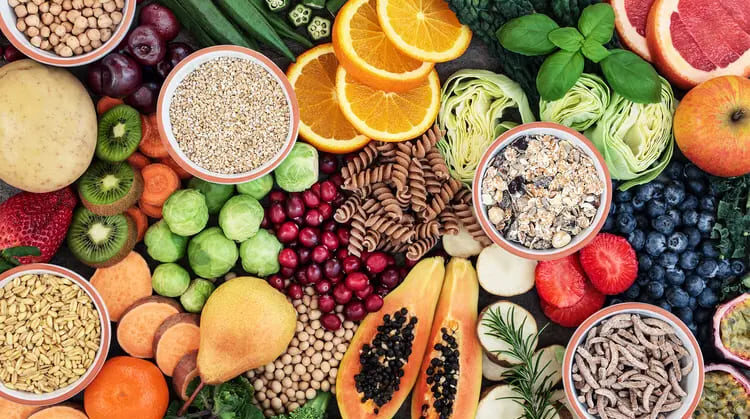
बद्धकोष्ठतेमध्ये आहार
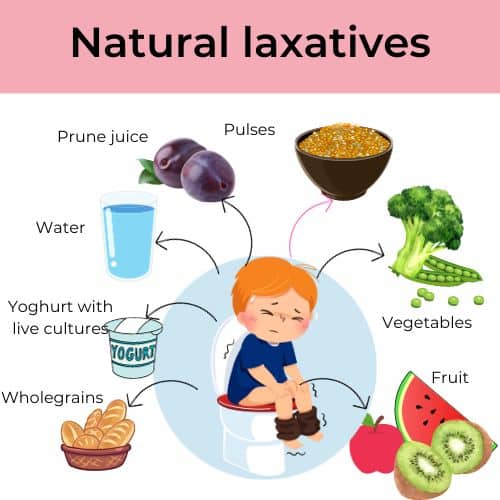
As a pediatrician, I often meet worried parents whose little ones are struggling with constipation. It’s heartbreaking to see your child uncomfortable, and you’re not alone in wondering what you can do to help. Let me share what years of practice and scientific research have taught us about managing childhood constipation through proper nutrition.
एका बालरोगतज्ञ म्हणून, अनेक चिंताग्रस्त पालक मला भेटतात, ज्यांची मुले बद्धकोष्ठतेने त्रस्त असतात. आपल्या मुलाला अस्वस्थ बघणे दुःखद असते आणि तुम्ही काय करू शकता हा प्रश्न पडणे स्वाभाविक आहे. वर्षांतील अनुभव आणि शास्त्रीय संशोधन यांच्या आधारे मुलांमधील बद्धकोष्ठता आहाराने कशी नियंत्रित करावी, हे आपण जाणून घेणार आहोत.
The Power of Fiber: Your Child’s Best Friend
Think of fiber as nature’s broom for your child’s digestive system. Research shows that children need between 14 to 31 grams of fiber daily, depending on their age and sex. A simple formula many pediatricians use is: your child’s age plus 5 grams equals their daily fiber requirement.
There are two types of fiber working together:
Soluble fiber absorbs water and becomes gel-like in the intestines, softening stools and making them easier to pass. You’ll find this in oats, barley, apples, and citrus fruits.
Insoluble fiber adds bulk to stools and helps food move through the digestive tract more quickly. Whole grains, vegetables, and nuts are excellent sources.
तंतुमय पदार्थाचे महत्व
तंतू हे आपल्या मुलाच्या पचनसंस्थेचे झाडू आहेत. संशोधनानुसार, वयानुसार मुलांना दररोज १४ ते ३१ ग्रॅम तंतू आवश्यक असतात. साधारण नियम – आपल्या मुलाचे वय + ५ ग्रॅम म्हणजे दररोज आवश्यक तंतू.
तंतू दोन प्रकारचे:
• विद्राव्य तंतू: ओट्स, बार्ली, सफरचंद, संत्री यात सापडतात. हे पाणी शोषून जेलीसारखे बनतात व शौच मऊ करतात.
• अविद्राव्य तंतू: गहू, भाज्या, कडधान्ये यात असतात. ते शौचाच्या प्रमाणात वाढ करतात व आतड्यातून अन्न पुढे ढकलतात.
Top 10 Vegetables That Must Be Included in Your Child’s Diet
Here are the fiber powerhouse vegetables that can significantly help with constipation relief:
1. Artichokes – 7 grams per medium artichoke. These are among the highest-fiber vegetables available and excellent for digestive health.
2. Green Peas (Matar) – 9 grams per cup cooked. A favorite among Indian children and easily incorporated into pulao, curries, or as a side dish.
3. Sweet Potatoes – 4 grams per half cup cooked. Rich in both fiber and essential nutrients, these can be roasted, boiled, or made into healthy snacks.
4. Broccoli – 5 grams per cup cooked. Contains powerful plant compounds that support gut health and can be added to pasta, soups, or eaten as florets.
5. Brussels Sprouts – 4 grams per cup cooked. These miniature cabbages are packed with fiber and can be roasted with Indian spices for better acceptance.
6. Spinach (Palak) – 4 grams per cup cooked. A traditional Indian vegetable rich in fiber and iron, perfect for dal palak or palak paneer.
7. Carrots – 5 grams per cup cooked. Sweet, crunchy, and fiber-rich, carrots can be eaten raw, cooked in curries, or added to khichdi.
8. Okra (Bhindi) – 4 grams per cup cooked. A popular Indian vegetable that’s high in fiber and can be prepared in various delicious ways.
9. Collard Greens – 8 grams per cup cooked. Similar to sarson ka saag, these leafy greens are excellent sources of fiber and nutrients.
10. Beetroot – High fiber content. Can be boiled, grated in salads, or made into healthy juices for children.
बद्धकोष्ठतेविरुद्ध १० सर्वोच्च भाज्या
१. आर्टिचोक
२. हिरवे वाटाणे (मटार)
३. राताळे (स्वीट पोटॅटो)
४. ब्रोकली
५. ब्रसल स्प्राऊट्स
६. पालक
७. गाजर
८. भेंडी/ओक्रा
९. कोलार्ड ग्रीन्स/सारसों
१०. बीट/बीटरूट
या भाज्यांमध्ये प्रचंड प्रमाणात तंतू असतात व रोजच्या जेवणात शक्य तितक्या प्रमाणात समाविष्ट करा.
Top 10 Fruits That Must Be Included in Your Child’s Diet
These fiber-rich fruits can make constipation relief both delicious and nutritious:
1. Prunes (Dried Plums) – 7 grams per 100g. The ultimate constipation-fighting fruit containing fiber, sorbitol, and natural laxative compounds.
2. Raspberries – 8 grams per cup. The highest fiber content among common fruits, though less available in India.
3. Pears – 5.5 grams per medium pear. Contain sorbitol and fructose which act as mild natural laxatives.
4. Apples (with skin) – 4.5 grams per medium apple. The pectin in apples helps soften stools and improve bowel regularity.
5. Guava – 5.4 grams per fruit. Widely available in India and one of the highest fiber fruits, excellent for digestive health.
6. Oranges – 3 grams per medium orange. Citrus fruits provide both fiber and natural sugars that help with bowel movements.
7. Bananas – 3 grams per medium banana. Easy to digest and popular with children, bananas provide gentle fiber and potassium.
8. Strawberries – 3 grams per cup. Rich in fiber and vitamin C, these can be added to smoothies or eaten as snacks.
9. Kiwi – 3 grams per fruit. Contains both soluble and insoluble fiber, plus enzymes that aid digestion.
10. Papaya – High fiber content. A tropical fruit that’s gentle on the stomach and naturally aids digestion with its enzymes.
बद्धकोष्ठतेविरुद्ध १० सर्वोच्च फळे
१. प्रून्स (सुक्या मनुका/आंजिरे/द्राक्षे)
२. रास्पबेरी
३. नाशपती
४. सफरचंद (सालासह)
५. पेरू
६. संत्री
७. केळी
८. स्ट्रॉबेरी
९. कीवी
१०. पपई
या फळांमध्ये तंतू, नैसर्गिक साखर व पचनास मदत करणारे घटक आहेत.
Indian Guidelines for Fiber Requirements in Children
Official IAP Recommendations for Constipation Management
Daily Fiber Requirement: 0.5 grams per kg body weight per day
Alternative IAP Formula
“Age of child + 5 grams per day” – widely accepted by Indian pediatricians
Safe Range Recommended by IAP
• Minimum: Age + 5 grams per day
• Maximum: Age + 10 grams per day
भारतातील मुलांसाठी तंतुमय अन्नाच्या शिफारशी (दैनिक)
बद्धकोष्ठता व्यवस्थापनात अधिकृत शिफारशी
• दैनिक तंतू आवश्यकता: 0.5 ग्रॅम तंतू प्रति किलोग्रॅम शरीरवजन
पर्यायी IAP सूत्र
• “वय + 5 ग्रॅम तंतू” ही सूत्रे भारतीय बालरोगतज्ञांमध्ये लोकप्रिय
IAP चा सुरक्षित श्रेणी
• किमान: वय + 5 ग्रॅम प्रति दिवस
• कमाल: वय + 10 ग्रॅम प्रति दिवस
Dos and Don’ts for Managing Childhood Constipation
DO:
• Include vegetables from our top 10 list daily in your child’s meals
• Offer fruits from our recommended list as snacks and desserts
• Ensure adequate water intake throughout the day
• Encourage regular meal times and toilet habits
• Choose whole grains over refined ones
• Include traditional Indian foods like dal, vegetables, and fruits
• Make mealtimes pleasant and stress-free
• Consult your pediatrician if symptoms persist
• Keep a stool diary to track patterns
• Reward positive toilet behaviors
DON’T:
• Rely solely on milk as the primary nutrition source
• Rush the process – dietary changes take time
• Ignore your child’s discomfort or delay seeking help
• Force foods your child strongly dislikes
• Give excessive amounts of processed or fried foods
• Use harsh toilet training methods
• Stop medications prescribed by your doctor without consultation
• Expect immediate results – consistency is key
• Skip the high-fiber vegetables and fruits from our recommended lists
काय करावे आणि काय टाळावे
करावे:
• रोज आहारात वरील भाज्यांपैकी बहुतेक समाविष्ट करा.
• फळे स्नॅक्स किंवा जेवणानंतर द्या.
• पुरेसे पाणी द्या.
• शौचास नियमित वेळ द्या, न गडबडता.
• साबूत धान्ये निवडा.
• पारंपरिक पदार्थ तयार करा.
• डॉक्टरशी संपर्क ठेवा.
टाळावे:
• दूधावरच अवलंबून राहू नका.
• आहार बदल अचानक करू नका.
• वेदना किंवा रक्त दिसल्यास दुर्लक्ष करू नका.
• मुलाला जबरदस्ती करू नका/भीती दाखवू नका.
• टिक-मार्गाचा वापर/औषधे बंद करू नका (डॉक्टर सल्ल्याशिवाय).
• संयम आणि सातत्य ठेवा.
Key Points from Indian Guidelines
1. No children under 2 years should consume fiber-rich foods at the expense of energy-dense foods
2. Gradual introduction of fiber is essential to prevent digestive discomfort
3. Adequate water intake must accompany increased fiber consumption
4. Traditional Indian thali naturally provides adequate fiber when properly balanced
5. Regional variations are considered – wheat/millet-based diets provide more fiber than rice-based diets
महत्त्वाच्या मुद्द्यांवर थोडक्यात
1. 2 वर्षांखालील मुलांना उर्जा-घनदाते पदार्थ कमी होत नाहीत अशा प्रकारे तंतुमय अन्न पुरेसे द्या.
2. तंतू हळूहळू वाढवा म्हणजे पोटातील गॅस-फुगवट टाळता येईल.
3. पुरेसे पाणी तंतू वाढवताना खूप आवश्यक.
4. भारतीय थाळी संतुलित असता नैसर्गिकरित्या तंतू पुरवते.
5. आहार भौगोलिक फरक लक्षात घ्या – गव्हात आधारीत आहारात तंतू अधिक, पांढर्या तांदळात कमी.
About the Author
Dr. Suhas Sodal, MBBS, MD (Pediatrics), brings over 15 years of experience caring for children in Pimple Gurav, Pimpri, and surrounding areas.
He specializes in pediatric infectious diseases, childhood allergies and asthma, vaccines, and nutrition.
Dr. Sodal has led multiple clinical trials on vaccine safety and efficacy, ensuring evidence-based care.
His passion for pediatric nutrition drives innovative, child-friendly dietary guidance rooted in Indian traditions.
Families in Pimple Gurav, Pimple Saudagar, Rahatani, Wakad, Aundh, Dapodi, Sangvi, Bhosari, Pimpri, and Vallabh Nagar trust his expertise.
He practices at IRA Children’s Clinic in Pimple Gurav, offering personalized treatment plans for every child.
Dr. Sodal’s holistic approach blends modern medicine with practical nutritional advice for optimal growth.
His clinic is known for compassionate care, helping children thrive through preventive and curative services.
Parents seeking reliable pediatric advice can reach IRA Children’s Clinic at 7276012600.
Dr. Sodal remains dedicated to advancing child health and wellness in the Pune region.
लेखकाबद्दल
डॉ. सुहास सोडल, एमबीबीएस, एमडी (बालरोगशास्त्र) यांना पिंपळे गुरव, पिंपरी आणि आसपासच्या परिसरातील मुलांची काळजी घेण्याचा १५ वर्षांहून अधिक अनुभव आहे.
ते बालरोग संसर्गजन्य रोग, बालपणीच्या ऍलर्जी आणि दमा, लस आणि पोषण या विषयांमध्ये तज्ज्ञ आहेत.
डॉ. सोडल यांनी लसीची सुरक्षितता आणि परिणामकारकता यावर अनेक क्लिनिकल चाचण्यांचे नेतृत्व केले आहे, ज्यामुळे पुराव्यावर आधारित काळजी सुनिश्चित होते.
बालरोग पोषणाबद्दलची त्यांची आवड भारतीय परंपरांमध्ये रुजलेली नाविन्यपूर्ण, बाल-अनुकूल आहार मार्गदर्शन करते.
पिंपळे गुरव, पिंपळे सौदागर, रहाटणी, वाकड, औंध, दापोडी, सांगवी, भोसरी, पिंपरी आणि वल्लभ नगरमधील कुटुंबे त्यांच्या कौशल्यावर विश्वास ठेवतात.
ते पिंपळे गुरव येथील आयआरए चिल्ड्रन्स क्लिनिकमध्ये प्रॅक्टिस करतात, प्रत्येक मुलासाठी वैयक्तिकृत उपचार योजना देतात.
डॉ. सोडल यांचा समग्र दृष्टिकोन आधुनिक औषधांना इष्टतम वाढीसाठी व्यावहारिक पौष्टिक सल्ल्यासह एकत्रित करतो.
त्यांचे क्लिनिक दयाळू काळजीसाठी ओळखले जाते, प्रतिबंधात्मक आणि उपचारात्मक सेवांद्वारे मुलांना भरभराट करण्यास मदत करते.
विश्वसनीय बालरोग सल्ला मिळवणाऱ्या पालकांना इरा चिल्ड्रन्स क्लिनिकशी ७२७६०१२६०० या क्रमांकावर संपर्क साधता येईल.
डॉ. सोडल पुणे प्रदेशात बाल आरोग्य आणि निरोगीपणा वाढवण्यासाठी समर्पित आहेत.
Disclaimer:
काळजीपूर्वक लक्षात घ्या:









Leave a comment