

February 27, 2026
Intentional Family Time: A Simple Habit That Changes Your Child’s Life
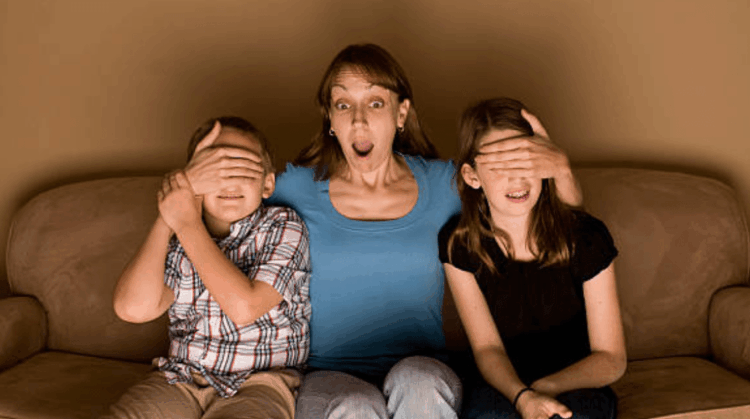
चित्रपटांमधील हिंसाचार आणि तुमचे वाढणारे मूल
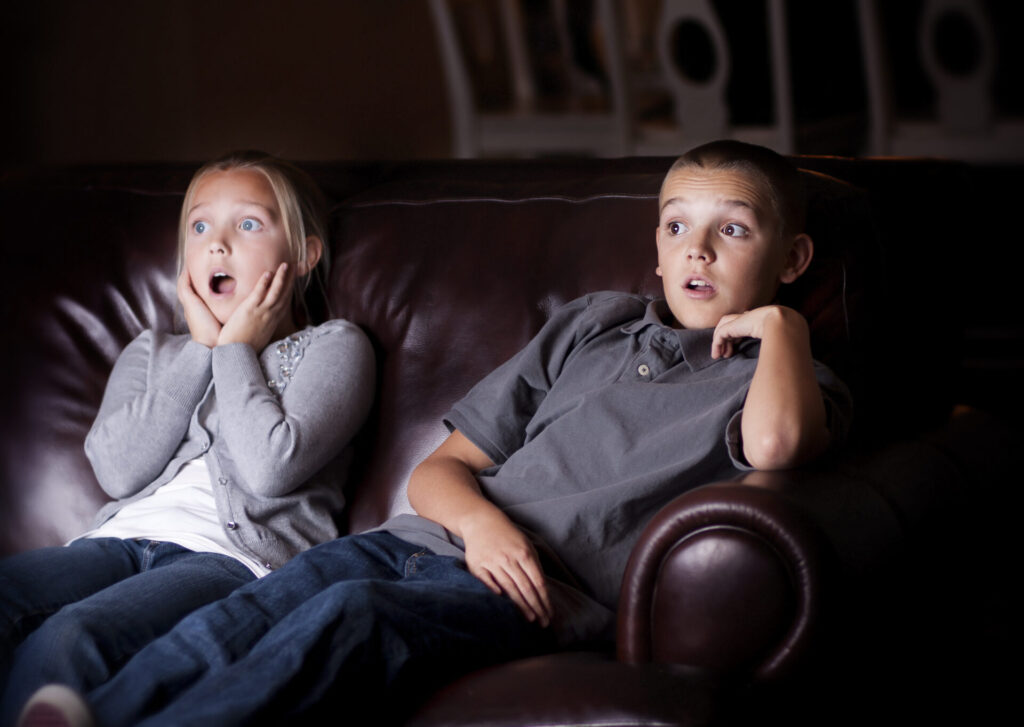
The Problem on Every Screen in Your Home
Parents, let me tell you what I see happening in homes across India right now. Your 8-year-old sits on the sofa watching Pushpa or KGF on the TV. Your 12-year-old binge-watches Mirzapur or Sacred Games on a phone under the blanket at night. Your teenager thinks Kabir Singh’s rage is cool.
Violence in Indian cinema has changed. It moved from storytelling-driven depictions to gratuitous spectacles designed to shock and entertain. A 2025 study from India specifically noted this shift and called it dangerous for young viewers.
This is not a small issue. OTT subscribers in India are projected to hit 627 million in 2025. Your child has access to more violent content than any previous generation ever had.
तुमच्या घरातील प्रत्येक स्क्रीनवरील समस्या

पालकांनो, मी तुम्हाला सांगतो की सध्या भारतातील घरांमध्ये मी काय घडताना पाहतो. तुमचा ८ वर्षांचा मुलगा सोफ्यावर बसून टीव्हीवर पुष्पा किंवा केजीएफ पाहतो. तुमचा १२ वर्षांचा मुलगा रात्री ब्लँकेटखाली फोनवर मिर्झापूर किंवा सेक्रेड गेम्स पाहतो. तुमच्या किशोरवयीन मुलाला कबीर सिंगचा राग मस्त वाटतो.
भारतीय चित्रपटसृष्टीतील हिंसाचार बदलला आहे. तो कथाकथनावर आधारित चित्रणांपासून धक्का देण्यासाठी आणि मनोरंजन करण्यासाठी डिझाइन केलेल्या अनावश्यक चष्म्यांकडे वळला. २०२५ च्या भारतातील एका अभ्यासात या बदलाची विशेषतः नोंद घेण्यात आली आणि तरुण प्रेक्षकांसाठी तो धोकादायक असल्याचे म्हटले आहे.
ही छोटी समस्या नाही. २०२५ मध्ये भारतातील ओटीटी सबस्क्राइबर्सची संख्या ६२७ दशलक्षांपर्यंत पोहोचण्याचा अंदाज आहे. तुमच्या मुलाला मागील कोणत्याही पिढीपेक्षा जास्त हिंसक कंटेंटचा वापर करता येईल.
What Happens Inside Your Child’s Brain
Here’s where it gets serious. Over 1,000 scientific studies now point to a causal connection between media violence and aggressive behavior in children. The American Academy of Pediatrics, the American Medical Association, and the American Psychological Association all agree on this.
A 2025 meta-analysis confirmed that all forms of media violence are positively associated with aggression in children. Young children mostly display aggression through direct imitation. Older adolescents develop desensitization and cognitive changes related to aggression.
A landmark 2026 brain imaging study found that violence exposure physically alters brain connectivity in children aged 9 to 13. It disrupts networks responsible for emotional regulation, cognitive control, and threat detection. The brain literally rewires itself in response to what your child watches.
तुमच्या मुलाच्या मेंदूत काय घडते

येथेच ते गंभीर होते. आता १,००० हून अधिक वैज्ञानिक अभ्यास मुलांमध्ये मीडिया हिंसाचार आणि आक्रमक वर्तन यांच्यातील कारणात्मक संबंध दर्शवितात. अमेरिकन अकादमी ऑफ पेडियाट्रिक्स, अमेरिकन मेडिकल असोसिएशन आणि अमेरिकन सायकॉलॉजिकल असोसिएशन हे सर्व यावर सहमत आहेत.
२०२५ च्या मेटा-विश्लेषणाने पुष्टी केली की सर्व प्रकारच्या मीडिया हिंसाचाराचा मुलांमध्ये आक्रमकतेशी सकारात्मक संबंध आहे. लहान मुले बहुतेकदा थेट अनुकरणाद्वारे आक्रमकता दाखवतात. मोठ्या किशोरवयीन मुलांमध्ये असंवेदनशीलता आणि आक्रमकतेशी संबंधित संज्ञानात्मक बदल विकसित होतात.
२०२६ च्या एका ऐतिहासिक ब्रेन इमेजिंग अभ्यासात असे आढळून आले की हिंसाचाराच्या संपर्कात येण्यामुळे ९ ते १३ वयोगटातील मुलांमध्ये मेंदूची कनेक्टिव्हिटी शारीरिकरित्या बदलते. ते भावनिक नियमन, संज्ञानात्मक नियंत्रण आणि धोक्याच्या शोधासाठी जबाबदार असलेल्या नेटवर्कमध्ये व्यत्यय आणते. तुमचे मूल जे पाहते त्या प्रतिसादात मेंदू अक्षरशः स्वतःला पुन्हा वायर करतो.
The Four Ways Movie Violence Harms Children
Research over decades has identified four clear effects. I see all four in my clinic regularly.
चित्रपट हिंसाचारामुळे मुलांना हानी पोहोचते असे चार मार्ग

दशकांपासूनच्या संशोधनात चार स्पष्ट परिणाम आढळून आले आहेत. मी माझ्या क्लिनिकमध्ये हे चारही परिणाम नियमितपणे पाहतो.

१. तुमचे मूल अधिक आक्रमक बनते
हा सर्वात दस्तऐवजीकरण केलेला परिणाम आहे. हिंसक चित्रपट पाहणाऱ्या मुलांमध्ये आक्रमक विचार, रागीट भावना आणि आक्रमक वर्तन वाढते. एका राष्ट्रीय अनुदैर्ध्य अभ्यासात असे आढळून आले आहे की मुलाचा हिंसक मीडिया आहार वाढत असताना, त्यांच्या गंभीर हिंसक वर्तनाची शक्यता कालांतराने ७०% वाढते.
८ वर्षांच्या ज्या मुलांनी अनेक तास हिंसक सामग्री पाहिली त्यांना प्रौढ म्हणून गुन्हेगारी कृत्यांसाठी अटक होण्याची शक्यता जास्त होती. आक्रमक मुले जास्त हिंसा पाहतात म्हणून असे नव्हते. उलट होते. हिंसाचार पाहण्यामुळे आक्रमकता निर्माण झाली.
भारतात, संशोधकांनी केरळमधील तरुणांच्या हिंसाचाराच्या घटनांचे थेट चित्रपट प्रभावाशी संबंध असल्याचे दस्तऐवजीकरण केले. विद्यार्थी ओळख कामगिरी आणि संघर्ष निराकरणाच्या स्वरूपात पडद्यावर जे पाहिले त्याचे अनुकरण करत होते.
२. तुमचे मूल असंवेदनशील बनते
यामुळे मला सर्वात जास्त भीती वाटते. तुमचे मूल मारहाणीचे दृश्य पाहते आणि डगमगत नाही. ते रक्त पाहतात आणि काहीही जाणवत नाही. एखाद्याला दुखापत झाल्यावर ते हसतात.
एम्सच्या २०२३ च्या अभ्यासात असे दिसून आले आहे की व्यापक हिंसाचार पाहिल्याने हिंसाचाराबद्दल संवेदनशीलता कमी होते आणि समाजात हिंसाचाराचे वाढते प्रमाण सहन करण्याची इच्छा वाढते.
प्रायोगिक अभ्यासातून असे दिसून आले आहे की हिंसक सामग्री पाहिल्यानंतर, वास्तविक हिंसाचाराचे दृश्य दाखविल्यावर मुले शारीरिकदृष्ट्या कमी उत्तेजित होतात. त्यांच्या हृदयाचे ठोके वाढत नाहीत. त्यांची सहानुभूती कमी होते. ते काळजी करणे थांबवतात.
किशोरावस्थेच्या सुरुवातीच्या काळात होणारे हे असंवेदनशीलीकरण पाच वर्षांनंतर किशोरावस्थेच्या उत्तरार्धात हिंसक वर्तनाचा अंदाज लावते.
३. तुमचे मूल भीतीने जगते
काही मुले आक्रमक होत नाहीत. ते घाबरतात. त्यांना भीती वाटते की जग एक धोकादायक ठिकाण आहे. त्यांना चिंता, भयानक स्वप्ने आणि झोपेच्या समस्या निर्माण होतात.
अमेरिकन अकादमी ऑफ पेडियाट्रिक्स ही एक मोठी चिंता म्हणून ओळखते. हिंसक सामग्री पाहिल्यानंतर मुले त्यांच्या सभोवतालच्या जगाबद्दल अधिक घाबरू शकतात.
भारतीय मानसशास्त्रज्ञांनी नोंदवले आहे की जरी आपल्या मेंदूला माहित आहे की स्क्रीनवरील धोके काल्पनिक आहेत, तरीही आपले शरीर ते खरे असल्यासारखे प्रतिक्रिया देते. विद्यमान चिंता असलेली मुले विशेषतः असुरक्षित असतात.
४. तुमचे मूल चुकीचे धडे शिकते
चित्रपटांमध्ये हिंसाचाराचे उदात्तीकरण केले जाते. नायक २० लोकांना मारहाण करतो आणि सर्वजण जयजयकार करतात. खलनायक गैरवर्तन आणि धमकीचा वापर करतो आणि आदर मागतो. तुमच्या मुलाला संदेश स्पष्ट आहे: हिंसाचार समस्या सोडवतो. शक्ती आक्रमकतेतून येते.
भारतीय चित्रपट अनेकदा हिंसाचाराचे शौर्य म्हणून चित्रण करतात. मुले पडद्यावर ऐकू येणारी अपशब्द वापरण्यास सुरुवात करतात. त्यांना वाटते की यामुळे ते फॅशनेबल आणि धाडसी दिसतात. ते चित्रपटांमधून शिकलेल्या अपशब्दांचा वापर करून वडीलधाऱ्यांचा अनादर करण्यास आणि समवयस्कांना धमकावण्यास सुरुवात करतात.
संशोधनातून असे दिसून आले आहे की पडद्यावर हिंसाचार पाहण्यात घालवलेला वेळ मुले आणि मुली दोघांमध्ये वाढत्या गुंडगिरी आणि सायबरबुलिंगशी थेट संबंधित आहे.
The OTT Problem in India
This is India’s biggest challenge right now. OTT platforms like Netflix, Amazon Prime, Hotstar, and MX Player have no gatekeepers. Your child can watch anything.
A 2025 survey of 101 parents in Gujarat found that 95% expressed concern over the content their children access on OTT platforms.
Shows like Mirzapur, Gandi Baat, and Narcos depict graphic violence, explicit language, substance use, and adult themes. These shows desensitize children to aggression, induce fear and anxiety, encourage risky behavior, and normalize inappropriate language.
The Indian government in December 2025 mandated stronger safeguards. OTT platforms must now classify content into five age-based categories and implement parental controls. But enforcement remains weak.
भारतातील ओटीटी समस्या

सध्या भारतातील हे सर्वात मोठे आव्हान आहे. नेटफ्लिक्स, अमेझॉन प्राइम, हॉटस्टार आणि एमएक्स प्लेअर सारख्या ओटीटी प्लॅटफॉर्मवर कोणतेही द्वारपाल नाहीत. तुमचे मूल काहीही पाहू शकते.
२०२५ मध्ये गुजरातमधील १०१ पालकांच्या सर्वेक्षणात असे आढळून आले की ९५% पालकांनी त्यांच्या मुलांनी ओटीटी प्लॅटफॉर्मवर वापरल्या जाणाऱ्या कंटेंटबद्दल चिंता व्यक्त केली.
मिर्झापूर, गांधी बात आणि नार्कोस सारख्या शोमध्ये ग्राफिक हिंसाचार, स्पष्ट भाषा, पदार्थांचा वापर आणि प्रौढ थीम दर्शविल्या जातात. हे शो मुलांना आक्रमकतेकडे दुर्लक्ष करतात, भीती आणि चिंता निर्माण करतात, धोकादायक वर्तनाला प्रोत्साहन देतात आणि अयोग्य भाषा सामान्य करतात.
भारत सरकारने डिसेंबर २०२५ मध्ये अधिक मजबूत सुरक्षा उपाय अनिवार्य केले. ओटीटी प्लॅटफॉर्मवर आता पाच वयोगटातील श्रेणींमध्ये सामग्रीचे वर्गीकरण करावे लागेल आणि पालक नियंत्रणे लागू करावी लागतील. परंतु अंमलबजावणी कमकुवत राहते.
What About CBFC Ratings?
India’s Central Board of Film Certification introduced new rating categories in November 2024. The old system of just U, U/A, and A wasn’t enough. Now there are U7+, 13+, and 16+ categories to give parents more guidance.
But here’s the reality. How many parents actually check the rating before letting their child watch a movie? How many theatres enforce these ratings? When the family sits together to watch a U/A film, your 5-year-old watches it too.
CBFC guidelines clearly state that showing involvement of children in violence as victims or perpetrators should be avoided. Anti-social activities like violence should not be glorified. Yet most blockbuster Indian films glorify exactly that.
CBFC रेटिंग्जबद्दल काय?

भारताच्या सेंट्रल बोर्ड ऑफ फिल्म सर्टिफिकेशनने नोव्हेंबर २०२४ मध्ये नवीन रेटिंग श्रेणी सुरू केल्या. फक्त U, U/A आणि A ची जुनी पद्धत पुरेशी नव्हती. आता पालकांना अधिक मार्गदर्शन करण्यासाठी U7+, 13+ आणि 16+ श्रेणी आहेत.
पण वास्तव हे आहे. किती पालक त्यांच्या मुलाला चित्रपट पाहण्याची परवानगी देण्यापूर्वी प्रत्यक्षात रेटिंग तपासतात? किती थिएटरमध्ये हे रेटिंग लागू केले जातात? जेव्हा कुटुंब U/A चित्रपट पाहण्यासाठी एकत्र बसते तेव्हा तुमचा ५ वर्षांचा मुलगा देखील तो पाहतो.
CBFC मार्गदर्शक तत्त्वांमध्ये स्पष्टपणे म्हटले आहे की हिंसाचारात मुलांना बळी किंवा गुन्हेगार म्हणून सहभागी दाखवणे टाळले पाहिजे. हिंसाचारसारख्या समाजविरोधी कृतींचे गौरव केले जाऊ नये. तरीही बहुतेक ब्लॉकबस्टर भारतीय चित्रपट त्याच गोष्टीचे गौरव करतात.
What You Can Do as a Parent
Watch Before They Watch
Preview content before letting your child see it. Check the rating. Read reviews. Know what violence level the movie contains.
Co-View and Discuss
If your child watches something violent, sit with them. Talk about it. Explain that what they saw isn’t real. Discuss why violence is wrong. Help them process it.
Research confirms that parental mediation and co-viewing significantly moderate the negative effects of violent media exposure.
Set Age-Appropriate Limits
Children under 7 should not watch any violent content. Period. Their brains cannot distinguish fiction from reality.
Children aged 7 to 13 need strict supervision. Use parental controls on every device. Check their watch history on YouTube and OTT apps.
Teenagers need open conversations about why media violence is manufactured entertainment, not real life.
Activate Parental Controls
Every OTT platform has parental controls. Netflix, Amazon Prime, Hotstar, YouTube. Set them up. Create child profiles. Use PIN protection for mature content.
The Indian government now requires OTT platforms to provide these controls. Use them.
Limit Total Screen Time
Less screen time means less exposure to violence. The American Academy of Pediatrics recommends no more than 1 to 2 hours of quality screen time daily for children.
Watch for Warning Signs
Increased aggression at home or school. Using abusive language. Bullying other children. Sleep problems and nightmares. Imitating violent scenes during play. Talking about violence casually.
These are signs your child has absorbed too much violent content.
पालक म्हणून तुम्ही काय करू शकता
त्यांना पाहण्यापूर्वी पहा
तुमच्या मुलाला चित्रपट पाहू देण्यापूर्वी त्याचे पूर्वावलोकन करा. रेटिंग तपासा. पुनरावलोकने वाचा. चित्रपटात हिंसाचाराचे प्रमाण काय आहे ते जाणून घ्या.
सह-पहा आणि चर्चा करा
जर तुमचे मूल हिंसक काहीतरी पाहत असेल तर त्यांच्यासोबत बसा. त्याबद्दल बोला. त्यांनी जे पाहिले ते खरे नाही हे स्पष्ट करा. हिंसा का चुकीची आहे यावर चर्चा करा. त्यांना ते प्रक्रिया करण्यास मदत करा.
संशोधनाने पुष्टी केली आहे की पालकांच्या मध्यस्थी आणि सह-पहा हिंसक मीडिया प्रदर्शनाचे नकारात्मक परिणाम लक्षणीयरीत्या कमी करतात.
वयानुसार योग्य मर्यादा निश्चित करा
७ वर्षाखालील मुलांनी कोणताही हिंसक सामग्री पाहू नये. कालावधी. त्यांचे मेंदू वास्तवापासून काल्पनिक कथा वेगळे करू शकत नाही.
७ ते १३ वयोगटातील मुलांना कडक देखरेखीची आवश्यकता आहे. प्रत्येक डिव्हाइसवर पालक नियंत्रण वापरा. YouTube आणि OTT अॅप्सवर त्यांचा पाहण्याचा इतिहास तपासा.
किशोरवयीन मुलांना मीडिया हिंसाचार हा वास्तविक जीवनाचा नाही तर मनोरंजनाचा विषय का आहे याबद्दल खुल्या संभाषणांची आवश्यकता आहे.
पालक नियंत्रणे सक्रिय करा
प्रत्येक ओटीटी प्लॅटफॉर्मवर पालक नियंत्रणे असतात. नेटफ्लिक्स, अमेझॉन प्राइम, हॉटस्टार, यूट्यूब. ते सेट करा. चाइल्ड प्रोफाइल तयार करा. प्रौढ कंटेंटसाठी पिन संरक्षण वापरा.
भारत सरकारने आता ओटीटी प्लॅटफॉर्मवर ही नियंत्रणे प्रदान करण्याची आवश्यकता आहे. त्यांचा वापर करा.
एकूण स्क्रीन टाइम मर्यादित करा
कमी स्क्रीन टाइम म्हणजे हिंसाचाराचा कमी संपर्क. अमेरिकन अकादमी ऑफ पेडियाट्रिक्स मुलांसाठी दररोज १ ते २ तासांपेक्षा जास्त दर्जेदार स्क्रीन टाइम देऊ नये अशी शिफारस करते.
चेतावणीच्या लक्षणांवर लक्ष ठेवा
घरी किंवा शाळेत वाढलेली आक्रमकता. अपमानास्पद भाषा वापरणे. इतर मुलांना धमकावणे. झोपेच्या समस्या आणि भयानक स्वप्ने. खेळताना हिंसक दृश्यांचे अनुकरण करणे. हिंसाचाराबद्दल सहज बोलणे.
तुमच्या मुलाने खूप जास्त हिंसक सामग्री आत्मसात केल्याची ही चिन्हे आहेत.
Talk to Your Child
Have honest conversations. Your child will encounter violent content. You cannot shield them forever. But you can build their critical thinking.
Explain how movies exaggerate violence for entertainment. Show them real consequences of violence. Help them develop empathy.
Media literacy is the most effective long-term protection. Teach your child to question what they see, not just consume it passively.
तुमच्या मुलाशी बोला

प्रामाणिक संभाषण करा. तुमच्या मुलाला हिंसक सामग्रीचा सामना करावा लागेल. तुम्ही त्यांना कायमचे संरक्षण देऊ शकत नाही. परंतु तुम्ही त्यांची टीकात्मक विचारसरणी निर्माण करू शकता.
चित्रपट मनोरंजनासाठी हिंसाचार कसा वाढवतात हे स्पष्ट करा. त्यांना हिंसाचाराचे खरे परिणाम दाखवा. त्यांना सहानुभूती विकसित करण्यास मदत करा.
माध्यम साक्षरता ही सर्वात प्रभावी दीर्घकालीन संरक्षण आहे. तुमच्या मुलाला ते जे पाहतात त्यावर प्रश्न विचारण्यास शिकवा, फक्त निष्क्रियपणे ते सेवन करू नका.
Movie violence is not harmless entertainment. Over 60 years of research confirms it changes how children think, feel, and behave. It rewires their developing brains. It makes them more aggressive, less empathetic, more fearful, and more accepting of violence as normal.
Your child’s brain is still developing. What they watch now shapes who they become. Be the filter between the screen and your child’s mind.
You cannot control what the film industry produces. But you can control what enters your home and your child’s eyes.
Stay alert. Stay involved. Your child needs you now more than ever.
चित्रपट हिंसाचार हा निरुपद्रवी मनोरंजन नाही. ६० वर्षांहून अधिक काळ झालेल्या संशोधनातून हे सिद्ध झाले आहे की यामुळे मुलांचे विचार, भावना आणि वर्तन बदलते. ते त्यांच्या विकसनशील मेंदूला पुन्हा जोडते. ते त्यांना अधिक आक्रमक, कमी सहानुभूतीशील, अधिक भयभीत आणि सामान्य म्हणून हिंसाचार स्वीकारण्यास अधिक सक्षम बनवते.
तुमच्या मुलाचा मेंदू अजूनही विकसित होत आहे. ते आता जे पाहतात ते त्यांच्या बनण्याला आकार देते. स्क्रीन आणि तुमच्या मुलाच्या मनातील फिल्टर बना.
चित्रपट उद्योग काय निर्माण करतो हे तुम्ही नियंत्रित करू शकत नाही. परंतु तुमच्या घरात आणि तुमच्या मुलाच्या डोळ्यांत काय येते हे तुम्ही नियंत्रित करू शकता.
सतर्क रहा. सहभागी रहा. तुमच्या मुलाला आता तुमची गरज पूर्वीपेक्षा जास्त आहे.
About the Author
Dr. Suhas Sodal, MBBS, MD (Pediatrics), brings over 15 years of experience caring for children in Pimple Gurav, Pimpri, and surrounding areas.
He specializes in pediatric infectious diseases, childhood allergies and asthma, vaccines, and nutrition.
Dr. Sodal has led multiple clinical trials on vaccine safety and efficacy, ensuring evidence-based care.
His passion for pediatric nutrition drives innovative, child-friendly dietary guidance rooted in Indian traditions.
Families in Pimple Gurav, Pimple Saudagar, Rahatani, Wakad, Aundh, Dapodi, Sangvi, Bhosari, Pimpri, and Vallabh Nagar trust his expertise.
He practices at IRA Children’s Clinic in Pimple Gurav, offering personalized treatment plans for every child.
Dr. Sodal’s holistic approach blends modern medicine with practical nutritional advice for optimal growth.
His clinic is known for compassionate care, helping children thrive through preventive and curative services.
Parents seeking reliable pediatric advice can reach IRA Children’s Clinic at 7276012600.
Dr. Sodal remains dedicated to advancing child health and wellness in the Pune region.
लेखकाबद्दल

डॉ. सुहास सोडल, एमबीबीएस, एमडी (बालरोगशास्त्र) यांना पिंपळे गुरव, पिंपरी आणि आसपासच्या परिसरातील मुलांची काळजी घेण्याचा १५ वर्षांहून अधिक अनुभव आहे.
ते बालरोग संसर्गजन्य रोग, बालपणीच्या ऍलर्जी आणि दमा, लस आणि पोषण या विषयांमध्ये तज्ज्ञ आहेत.
डॉ. सोडल यांनी लसीची सुरक्षितता आणि परिणामकारकता यावर अनेक क्लिनिकल चाचण्यांचे नेतृत्व केले आहे, ज्यामुळे पुराव्यावर आधारित काळजी सुनिश्चित होते.
बालरोग पोषणाबद्दलची त्यांची आवड भारतीय परंपरांमध्ये रुजलेली नाविन्यपूर्ण, बाल-अनुकूल आहार मार्गदर्शन करते.
पिंपळे गुरव, पिंपळे सौदागर, रहाटणी, वाकड, औंध, दापोडी, सांगवी, भोसरी, पिंपरी आणि वल्लभ नगरमधील कुटुंबे त्यांच्या कौशल्यावर विश्वास ठेवतात.
ते पिंपळे गुरव येथील आयआरए चिल्ड्रन्स क्लिनिकमध्ये प्रॅक्टिस करतात, प्रत्येक मुलासाठी वैयक्तिकृत उपचार योजना देतात.
डॉ. सोडल यांचा समग्र दृष्टिकोन आधुनिक औषधांना इष्टतम वाढीसाठी व्यावहारिक पौष्टिक सल्ल्यासह एकत्रित करतो.
त्यांचे क्लिनिक दयाळू काळजीसाठी ओळखले जाते, प्रतिबंधात्मक आणि उपचारात्मक सेवांद्वारे मुलांना भरभराट करण्यास मदत करते.
विश्वसनीय बालरोग सल्ला मिळवणाऱ्या पालकांना इरा चिल्ड्रन्स क्लिनिकशी ७२७६०१२६०० या क्रमांकावर संपर्क साधता येईल.
डॉ. सोडल पुणे प्रदेशात बाल आरोग्य आणि निरोगीपणा वाढवण्यासाठी समर्पित आहेत.
Disclaimer:
काळजीपूर्वक लक्षात घ्या:








Leave a comment