

March 6, 2026
W Sitting in Children: Should Indian Parents Worry About the Frog Position?
तुमचे मूल चीज खाऊ शकते का?
The Cheese Confusion in Indian Homes
Parents, I hear this question constantly. Can my child eat cheese? How much is too much? Is Amul cheese okay? What about processed cheese slices?
Let me clear up the confusion. Yes, your child can eat cheese. It’s actually a wonderful food for growing children. But the type of cheese matters. And so does the amount.
India’s supermarket shelves are filled with cheese options. Some are great for kids. Others are best avoided. Let me walk you through everything you need to know.
भारतीय घरांमध्ये चीजचा गोंधळ

पालकांनो, मी हा प्रश्न सतत ऐकतो. माझे मूल चीज खाऊ शकते का? किती म्हणजे जास्त? प्रक्रिया केलेल्या चीजच्या तुकड्यांबद्दल काय?
मी गोंधळ दूर करतो. हो, तुमचे मूल चीज खाऊ शकते. वाढत्या मुलांसाठी ते खरोखर एक उत्तम अन्न आहे. पण चीजचा प्रकार महत्त्वाचा आहे. आणि त्याचे प्रमाणही महत्त्वाचे आहे.
भारतातील सुपरमार्केटमधील शेल्फ्स चीजच्या पर्यायांनी भरलेले आहेत. काही मुलांसाठी उत्तम आहेत. तर काही टाळणे चांगले. तुम्हाला जे काही माहित असणे आवश्यक आहे ते मी तुम्हाला सांगतो.
When Can Your Child Start Eating Cheese?
Most babies can start eating cheese around 6 months of age when they begin solid foods. The World Health Organization supports introducing cheese as an early complementary food.
Some experts suggest waiting until 7 to 8 months. Both approaches are fine. What matters is that your baby has already tried a few other foods first like vegetables, fruits, or cereals.
If you have a family history of milk allergies, talk to your pediatrician before introducing cheese. Dairy allergies need careful management.
तुमचे मूल चीज कधीपासून खायला सुरुवात करू शकते?
बहुतेक बाळे ६ महिन्यांच्या आसपास जेव्हा ते घन पदार्थ खाण्यास सुरुवात करतात तेव्हा ते चीज खायला सुरुवात करू शकतात. जागतिक आरोग्य संघटना लवकर पूरक अन्न म्हणून चीजचा समावेश करण्यास समर्थन देते.
काही तज्ञ ७ ते ८ महिने वाट पाहण्याचा सल्ला देतात. दोन्ही पद्धती ठीक आहेत. महत्त्वाचे म्हणजे तुमच्या बाळाने भाज्या, फळे किंवा तृणधान्ये यांसारखे काही इतर पदार्थ आधीच वापरून पाहिले आहेत.
जर तुमच्या कुटुंबात दुधाच्या अॅलर्जीचा इतिहास असेल, तर चीज देण्यापूर्वी तुमच्या बालरोगतज्ञांशी बोला. दुधाच्या अॅलर्जींचे काळजीपूर्वक व्यवस्थापन आवश्यक आहे.
Types of Cheese: What’s Safe and What to Avoid
Best Choices for Children (Low Sodium)
Paneer (Cottage Cheese)
This is your best friend. Paneer is naturally low in sodium, high in protein, and easy to digest. It’s affordable and available everywhere in India. Your child can eat paneer from 6 months onwards.
100 grams of paneer provides about 18 grams of protein and 250 calories. It’s rich in calcium and has virtually no lactose.
Fresh Mozzarella
Not the pizza topping kind. Fresh mozzarella is soft, mild, and lower in sodium than most cheeses. It’s perfect for toddlers.
Ricotta
Creamy and mild, ricotta spreads easily on rotis or parathas. It’s gentle on young stomachs.
Mascarpone
Another soft cheese that works well mixed into fruit purees or spread on toast.
Chenna
If you’re from Bengal or Odisha, you know chenna. It’s similar to paneer but softer. Great for babies.
Moderate Choices (Higher Sodium)
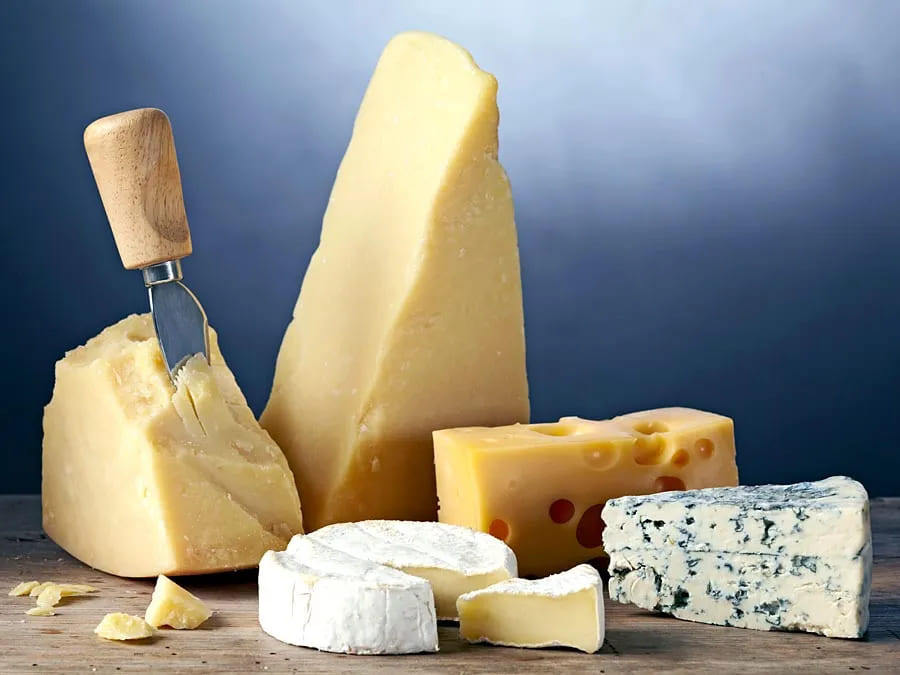
Cheddar
Good nutrition but higher in sodium. Offer small amounts to children above 12 months.
Swiss Cheese
Has a nutty flavor kids often enjoy. Lower in sodium than cheddar but still use in moderation.
Gouda
Mild taste that children like. Higher in sodium, so limit portions.
Parmesan
Great for grating over pasta and vegetables. Very high in calcium. But also high in sodium, so use sparingly.
Avoid or Limit These
Processed Cheese Slices and Cubes
This is the cheese most Indians buy. Amul cheese slices. Britannia cheese cubes. Cheese spread in jars.
Here’s the problem. Processed cheese contains 3 to 4 times more sodium than fresh cheese. One processed cheese cube can have 300 mg of sodium. Your baby under 12 months should have less than 400 mg sodium per day from all foods combined.
Processed cheese also contains preservatives, stabilizers, and sometimes palm oil. It’s convenient but not the healthiest choice.
If you use processed cheese, limit it to once or twice a week for children above 12 months.
Raw Milk Cheese
Cheese made from unpasteurized milk carries infection risk. Avoid for children under 5 years. In India, most commercially available cheese is pasteurized, so this is rarely an issue.
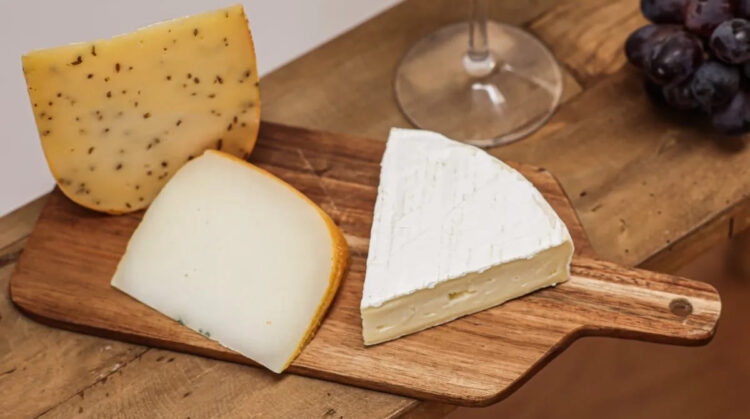
Blue Cheese, Brie, Camembert
Strong flavored, soft-ripened cheeses are not suitable for young children. Wait until they’re older.
चीजचे प्रकार: काय सुरक्षित आहे आणि काय टाळावे

मुलांसाठी सर्वोत्तम पर्याय (कमी सोडियम)
पनीर (कमी सोडियम असलेले चीज)
हा तुमचा सर्वात चांगला मित्र आहे. पनीरमध्ये नैसर्गिकरित्या सोडियमचे प्रमाण कमी, प्रथिने जास्त आणि पचण्यास सोपे असते. ते परवडणारे आणि भारतात सर्वत्र उपलब्ध आहे. तुमचे मूल ६ महिन्यांपासून पनीर खाऊ शकते.
१०० ग्रॅम पनीरमध्ये सुमारे १८ ग्रॅम प्रथिने आणि २५० कॅलरीज असतात. ते कॅल्शियमने समृद्ध असते आणि त्यात जवळजवळ कोणतेही लैक्टोज नसते.
ताजे मोझारेला
पिझ्झा टॉपिंग प्रकार नाही. ताजे मोझारेला बहुतेक चीजपेक्षा मऊ, सौम्य आणि सोडियममध्ये कमी असते. ते लहान मुलांसाठी परिपूर्ण आहे.
रिकोटा
मलईदार आणि सौम्य, रिकोटा रोटी किंवा पराठ्यांवर सहजपणे पसरतो. ते लहान पोटांवर सौम्य असते.
मस्करपोन
आणखी एक मऊ चीज जे फळांच्या प्युरीमध्ये चांगले मिसळते किंवा टोस्टवर पसरते.
चेन्ना
जर तुम्ही बंगाल किंवा ओडिशाचे असाल तर तुम्हाला चेन्ना माहित असेल. हे पनीरसारखेच आहे पण मऊ आहे. बाळांसाठी उत्तम.

मध्यम पर्याय (सोडियम जास्त)
चेडर
चांगले पोषण पण सोडियम जास्त. १२ महिन्यांपेक्षा जास्त वयाच्या मुलांना कमी प्रमाणात द्या.
स्विस चीज
मुलांना अनेकदा नटी चव असते. चेडरपेक्षा सोडियम कमी असते पण तरीही ते माफक प्रमाणात वापरावे.
गौडा
मुलांना आवडणारी सौम्य चव. सोडियम जास्त, म्हणून भाग मर्यादित करा.
परमेसन
पास्ता आणि भाज्यांवर जाळी घालण्यासाठी उत्तम. कॅल्शियम खूप जास्त आहे. पण सोडियम देखील जास्त आहे, म्हणून कमी वापरा.

हे टाळा किंवा मर्यादित करा
प्रक्रिया केलेले चीज स्लाईस आणि क्यूब्स
हे बहुतेक भारतीय खरेदी करतात ते चीज आहे. अमूल चीज स्लाईस. ब्रिटानिया चीज क्यूब्स. जारमध्ये पसरलेले चीज.
येथे समस्या आहे. प्रक्रिया केलेल्या चीजमध्ये ताज्या चीजपेक्षा 3 ते 4 पट जास्त सोडियम असते. एका प्रक्रिया केलेल्या चीज क्यूबमध्ये 300 मिलीग्राम सोडियम असू शकते. तुमच्या 12 महिन्यांपेक्षा कमी वयाच्या बाळाला सर्व पदार्थांमधून दररोज 400 मिलीग्रामपेक्षा कमी सोडियम असावे.
प्रक्रिया केलेल्या चीजमध्ये प्रिझर्व्हेटिव्ह्ज, स्टेबिलायझर्स आणि कधीकधी पाम ऑइल देखील असते. हे सोयीस्कर आहे परंतु आरोग्यदायी पर्याय नाही.
जर तुम्ही प्रक्रिया केलेले चीज वापरत असाल तर 12 महिन्यांपेक्षा जास्त वयाच्या मुलांसाठी आठवड्यातून एक किंवा दोनदा ते मर्यादित करा.
कच्चे दूध चीज
अनपाश्चराइज्ड दुधापासून बनवलेले चीज संसर्गाचा धोका असतो. 5 वर्षांपेक्षा कमी वयाच्या मुलांसाठी टाळा. भारतात, बहुतेक व्यावसायिकरित्या उपलब्ध असलेले चीज पाश्चराइज्ड असते, म्हणून ही क्वचितच समस्या असते.
ब्लू चीज, ब्री, कॅमेम्बर्ट
मजबूत चवीचे, मऊ-पिकलेले चीज लहान मुलांसाठी योग्य नाहीत. ते मोठे होईपर्यंत थांबा.
Paneer vs Cheese: Which Is Better for Indian Children?
This is a question unique to Indian parents. Both come from milk. Both are nutritious. But there are differences.
Paneer has fewer calories (250 per 100g vs 400 for cheese). It has less fat (20g vs 33g per 100g). It’s lower in sodium. It doesn’t melt, making it easier to handle for babies.
Cheese has more protein (25g vs 18g per 100g). It has more calcium in hard varieties. It melts beautifully for cooking.
For weight-conscious adults, paneer wins. But for growing children who need calories and nutrients, both are excellent choices.
My recommendation: Use paneer as your daily go-to. Add other cheeses occasionally for variety and taste development.
पनीर विरुद्ध चीज: भारतीय मुलांसाठी कोणते चांगले आहे?

हा प्रश्न भारतीय पालकांसाठी वेगळा आहे. दोन्ही दुधापासून येतात. दोन्ही पौष्टिक आहेत. पण त्यात फरक आहेत.
पनीरमध्ये कमी कॅलरीज असतात (प्रति १०० ग्रॅम २५० विरुद्ध चीज ४००). त्यात कमी चरबी असते (प्रति १०० ग्रॅम २० ग्रॅम विरुद्ध ३३ ग्रॅम). त्यात सोडियम कमी असते. ते वितळत नाही, ज्यामुळे बाळांना ते हाताळणे सोपे होते.
पनीरमध्ये जास्त प्रथिने असतात (प्रति १०० ग्रॅम २५ ग्रॅम विरुद्ध १८ ग्रॅम). कठीण प्रकारांमध्ये त्यात जास्त कॅल्शियम असते. ते स्वयंपाकासाठी सुंदरपणे वितळते.
वजनाच्या बाबतीत जागरूक प्रौढांसाठी, पनीर जिंकते. परंतु वाढत्या मुलांसाठी ज्यांना कॅलरीज आणि पोषक तत्वांची आवश्यकता असते, दोन्ही उत्तम पर्याय आहेत.
माझी शिफारस: पनीरचा वापर तुमच्या रोजच्या जेवणात करा. विविधता आणि चव विकासासाठी अधूनमधून इतर चीज घाला.
The Nutritional Benefits of Cheese for Children
Cheese is a nutritional powerhouse for growing kids.
Calcium for Strong Bones
Children need calcium for developing bones and teeth. One serving of hard cheese provides 20 to 25 percent of a child’s daily calcium needs. That’s about 200 to 250 mg per serving.
Protein for Growth
Cheese is protein-rich. One serving provides 7 to 8 grams of protein. This helps build muscles, repair tissues, and support immune function.
Vitamin D
Cheese contains vitamin D, which helps absorb calcium. Many Indian children are deficient in vitamin D. Cheese helps fill this gap.
Healthy Fats
Full-fat cheese provides essential fats needed for brain development. Don’t give low-fat cheese to young children. They need those fats.
B Vitamins
Cheese contains B12, riboflavin, and other B vitamins important for energy and nervous system development.
मुलांसाठी चीजचे पौष्टिक फायदे
चीज हे वाढत्या मुलांसाठी पौष्टिक शक्तीस्थान आहे.
मजबूत हाडांसाठी कॅल्शियम
हाडे आणि दातांच्या विकासासाठी मुलांना कॅल्शियमची आवश्यकता असते. हार्ड चीजचा एक सर्व्हिंग मुलाच्या दैनंदिन कॅल्शियमच्या गरजेच्या २० ते २५ टक्के पुरवतो. ते प्रति सर्व्हिंग सुमारे २०० ते २५० मिलीग्राम आहे.
वाढीसाठी प्रथिने
चीज प्रथिनेयुक्त आहे. एका सर्व्हिंगमध्ये ७ ते ८ ग्रॅम प्रथिने असतात. हे स्नायू तयार करण्यास, ऊती दुरुस्त करण्यास आणि रोगप्रतिकारक कार्यास समर्थन देण्यास मदत करते.
व्हिटॅमिन डी
चीजमध्ये व्हिटॅमिन डी असते, जे कॅल्शियम शोषण्यास मदत करते. अनेक भारतीय मुलांमध्ये व्हिटॅमिन डीची कमतरता असते. चीज ही कमतरता भरून काढण्यास मदत करते.
निरोगी चरबी
पूर्ण चरबीयुक्त चीज मेंदूच्या विकासासाठी आवश्यक असलेल्या आवश्यक चरबी प्रदान करते. लहान मुलांना कमी चरबीयुक्त चीज देऊ नका. त्यांना त्या चरबीची आवश्यकता असते.
बी जीवनसत्त्वे
चीजमध्ये बी १२, रिबोफ्लेविन आणि इतर बी जीवनसत्त्वे असतात जी ऊर्जा आणि मज्जासंस्थेच्या विकासासाठी महत्त्वाची असतात.
The Bottom Line
Cheese is a healthy, nutritious food for your child. Start with paneer around 6 months. Expand to other cheeses as they grow. Watch the sodium content. Avoid processed cheese slices and cubes as daily foods.
Choose fresh, pasteurized, low-sodium options. Serve in appropriate portions. And enjoy watching your child develop a love for this wonderful food.
Your child’s nutrition journey is about variety and balance. Cheese is one delicious piece of that puzzle.
निष्कर्ष

चीज हे तुमच्या बाळासाठी एक निरोगी, पौष्टिक अन्न आहे. ६ महिन्यांपासून पनीरपासून सुरुवात करा. इतर चीज वाढतात तसे त्यातही ते वाढवा. सोडियमचे प्रमाण पहा. प्रक्रिया केलेले चीजचे तुकडे आणि क्यूब्स रोजच्या जेवणात टाळा.
ताजे, पाश्चराइज्ड, कमी सोडियम असलेले पर्याय निवडा. योग्य प्रमाणात सर्व्ह करा. आणि तुमच्या मुलाला या अद्भुत अन्नाबद्दल प्रेम निर्माण होताना पाहण्याचा आनंद घ्या.
तुमच्या मुलाचा पोषण प्रवास विविधता आणि संतुलनाचा आहे. चीज हे त्या कोड्याचा एक स्वादिष्ट भाग आहे.
About the Author
Dr. Suhas Sodal, MBBS, MD (Pediatrics), brings over 15 years of experience caring for children in Pimple Gurav, Pimpri, and surrounding areas.
He specializes in pediatric infectious diseases, childhood allergies and asthma, vaccines, and nutrition.
Dr. Sodal has led multiple clinical trials on vaccine safety and efficacy, ensuring evidence-based care.
His passion for pediatric nutrition drives innovative, child-friendly dietary guidance rooted in Indian traditions.
Families in Pimple Gurav, Pimple Saudagar, Rahatani, Wakad, Aundh, Dapodi, Sangvi, Bhosari, Pimpri, and Vallabh Nagar trust his expertise.
He practices at IRA Children’s Clinic in Pimple Gurav, offering personalized treatment plans for every child.
Dr. Sodal’s holistic approach blends modern medicine with practical nutritional advice for optimal growth.
His clinic is known for compassionate care, helping children thrive through preventive and curative services.
Parents seeking reliable pediatric advice can reach IRA Children’s Clinic at 7276012600.
Dr. Sodal remains dedicated to advancing child health and wellness in the Pune region.
लेखकाबद्दल

डॉ. सुहास सोडल, एमबीबीएस, एमडी (बालरोगशास्त्र) यांना पिंपळे गुरव, पिंपरी आणि आसपासच्या परिसरातील मुलांची काळजी घेण्याचा १५ वर्षांहून अधिक अनुभव आहे.
ते बालरोग संसर्गजन्य रोग, बालपणीच्या ऍलर्जी आणि दमा, लस आणि पोषण या विषयांमध्ये तज्ज्ञ आहेत.
डॉ. सोडल यांनी लसीची सुरक्षितता आणि परिणामकारकता यावर अनेक क्लिनिकल चाचण्यांचे नेतृत्व केले आहे, ज्यामुळे पुराव्यावर आधारित काळजी सुनिश्चित होते.
बालरोग पोषणाबद्दलची त्यांची आवड भारतीय परंपरांमध्ये रुजलेली नाविन्यपूर्ण, बाल-अनुकूल आहार मार्गदर्शन करते.
पिंपळे गुरव, पिंपळे सौदागर, रहाटणी, वाकड, औंध, दापोडी, सांगवी, भोसरी, पिंपरी आणि वल्लभ नगरमधील कुटुंबे त्यांच्या कौशल्यावर विश्वास ठेवतात.
ते पिंपळे गुरव येथील आयआरए चिल्ड्रन्स क्लिनिकमध्ये प्रॅक्टिस करतात, प्रत्येक मुलासाठी वैयक्तिकृत उपचार योजना देतात.
डॉ. सोडल यांचा समग्र दृष्टिकोन आधुनिक औषधांना इष्टतम वाढीसाठी व्यावहारिक पौष्टिक सल्ल्यासह एकत्रित करतो.
त्यांचे क्लिनिक दयाळू काळजीसाठी ओळखले जाते, प्रतिबंधात्मक आणि उपचारात्मक सेवांद्वारे मुलांना भरभराट करण्यास मदत करते.
विश्वसनीय बालरोग सल्ला मिळवणाऱ्या पालकांना इरा चिल्ड्रन्स क्लिनिकशी ७२७६०१२६०० या क्रमांकावर संपर्क साधता येईल.
डॉ. सोडल पुणे प्रदेशात बाल आरोग्य आणि निरोगीपणा वाढवण्यासाठी समर्पित आहेत.
Disclaimer:
काळजीपूर्वक लक्षात घ्या:






Leave a comment