

March 6, 2026
W Sitting in Children: Should Indian Parents Worry About the Frog Position?
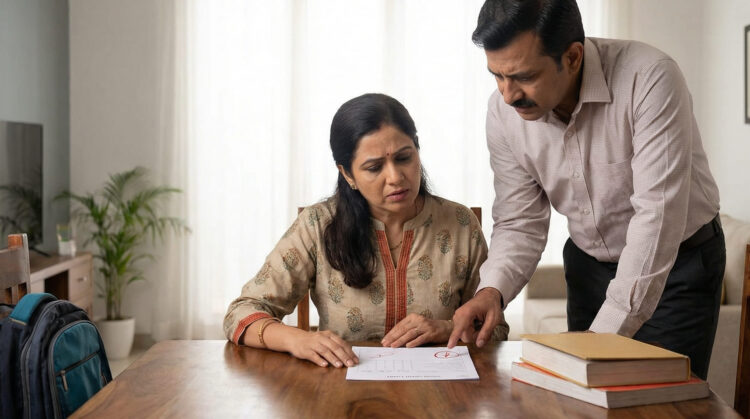
तुमच्या मुलांची तुलना करणे थांबवा: ते तुम्हाला वाटते त्यापेक्षा जास्त नुकसान करते
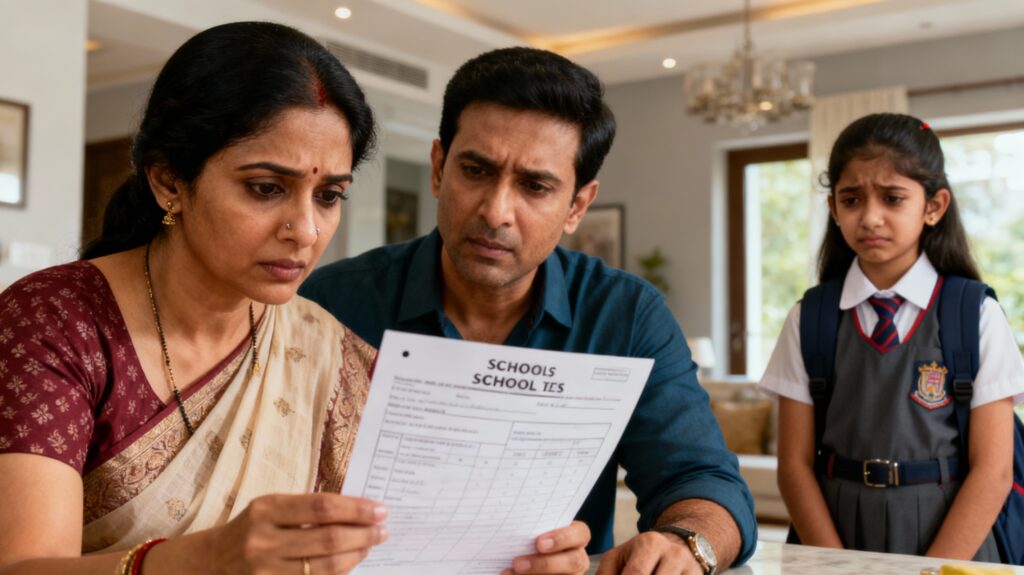
A mother came to see me last week. Her 11-year-old daughter was doing well at school, but the mother kept saying, “Her sister scored higher. Her cousin got selected for the advanced class. Why can’t she do the same?” I asked the mother one question: “What will a medicine do that comparison hasn’t already done?” She went silent.
This is the conversation I need to have with many parents in India right now. And I’m going to be direct about it.
गेल्या आठवड्यात एक आई मला भेटायला आली. तिची ११ वर्षांची मुलगी शाळेत चांगली कामगिरी करत होती, पण आई म्हणत राहिली, “तिच्या बहिणीने जास्त गुण मिळवले. तिच्या चुलत भावाची अॅडव्हान्स क्लाससाठी निवड झाली. तीही असे का करू शकत नाही?” मी आईला एक प्रश्न विचारला: “ज्या औषधाने आधीच तुलना केली नाही असे औषध काय करेल?” ती गप्प बसली.
भारतातल्या अनेक पालकांशी मला सध्या हेच संभाषण करायचे आहे. आणि मी त्याबद्दल थेट बोलणार आहे.
The Science Behind Comparison
Here’s what research clearly shows: When children are constantly compared to siblings or cousins, their self-esteem drops, anxiety increases, and ironically, their academic performance gets worse .
Let me explain why this happens scientifically.
Every child has a different brain. Not better, not worse – just different. Genetic factors explain about 43% of educational differences between children, and shared family environment explains another 31%. That leaves 26% influenced by individual, unique factors in each child’s life.
What does this mean? Your two children in the same house, with the same parents, same food, same school – they will still be different learners. This is biology, not failure.
तुलनेमागील विज्ञान

संशोधनातून स्पष्टपणे दिसून येते की जेव्हा मुलांची तुलना सतत भावंडांशी किंवा चुलत भावंडांशी केली जाते तेव्हा त्यांचा स्वाभिमान कमी होतो, चिंता वाढते आणि विडंबन म्हणजे त्यांची शैक्षणिक कामगिरी खराब होते.
मी वैज्ञानिकदृष्ट्या हे का घडते ते स्पष्ट करतो.
प्रत्येक मुलाचा मेंदू वेगळा असतो. चांगला नाही, वाईट नाही - फक्त वेगळा. मुलांमधील शैक्षणिक फरकांपैकी सुमारे ४३% फरक अनुवांशिक घटक स्पष्ट करतात आणि सामायिक कौटुंबिक वातावरण आणखी ३१% स्पष्ट करते. म्हणजेच प्रत्येक मुलाच्या आयुष्यात वैयक्तिक, अद्वितीय घटकांचा २६% प्रभाव पडतो.
याचा अर्थ काय? तुमची दोन्ही मुले एकाच घरात, त्याच पालकांसह, समान अन्नासह, समान शाळेत - तरीही ते वेगवेगळे शिकणारे असतील. हे जीवशास्त्र आहे, अपयश नाही.
The Damage Comparison Actually Does
Self-Esteem Drops Rapidly
When a child hears “Why can’t you be like your brother?” their brain registers one message: “I’m not good enough”. This is not about motivation. This is about worth.
Research shows that children who are frequently compared develop lower self-esteem that stays with them for years. And here’s the problem – low self-esteem actually predicts higher anxiety and depression years later.
Anxiety and Stress Increase
Studies find that children under comparison pressure develop significantly higher anxiety levels. Their brain is constantly trying to measure up to someone else.
One research paper specifically noted that the fear of failure from comparison stops children from trying new things. Instead of exploring interests, they freeze up.
Academic Performance Actually Worsens
I know this seems counterintuitive. “But doctor, I compare to push them harder!”
Here’s what happens instead: Children with controlling parents who use comparison actually perform worse academically. Why? Because constant pressure saps their intrinsic motivation . They stop learning for themselves and start learning to avoid criticism.
Sibling Relationships Get Destroyed
Comparing siblings creates unnecessary competition and resentment . Instead of supporting each other, they become rivals fighting for parental approval.
नुकसानाची तुलना प्रत्यक्षात होते का

स्व-सन्मान झपाट्याने कमी होतो
जेव्हा एखादे मूल "तुम्ही तुमच्या भावासारखे का होऊ शकत नाही?" असे ऐकते तेव्हा त्यांच्या मेंदूत एकच संदेश येतो: "मी पुरेसा चांगला नाही". हे प्रेरणेबद्दल नाही. हे मूल्याबद्दल आहे.
संशोधनातून असे दिसून आले आहे की ज्या मुलांची वारंवार तुलना केली जाते त्यांचा आत्मसन्मान कमी होतो जो वर्षानुवर्षे त्यांच्यासोबत राहतो. आणि येथे समस्या आहे - कमी आत्मसन्मान प्रत्यक्षात वर्षानुवर्षे जास्त चिंता आणि नैराश्याचा अंदाज लावतो.

चिंता आणि ताण वाढ
अभ्यासात असे आढळून आले आहे की तुलनेच्या दबावाखाली असलेल्या मुलांमध्ये चिंता पातळी लक्षणीयरीत्या जास्त असते. त्यांचा मेंदू सतत दुसऱ्यांशी बरोबरी करण्याचा प्रयत्न करत असतो.
एका संशोधन पत्रात विशेषतः असे नमूद केले आहे की तुलनेमुळे अपयशाची भीती मुलांना नवीन गोष्टी करण्याचा प्रयत्न करण्यापासून रोखते. आवडींचा शोध घेण्याऐवजी ते गोठतात.
शैक्षणिक कामगिरी खरोखरच खराब होते
मला माहित आहे की हे अंतर्ज्ञानाच्या विरुद्ध वाटते. "पण डॉक्टर, मी त्यांना अधिक कठोर करण्यासाठी तुलना करतो!"
त्याऐवजी असे घडते: तुलना करणाऱ्या पालकांवर नियंत्रण ठेवणारी मुले प्रत्यक्षात शैक्षणिकदृष्ट्या वाईट कामगिरी करतात. का? कारण सतत दबाव त्यांच्या अंतर्गत प्रेरणाला कमकुवत करतो. ते स्वतःसाठी शिकणे थांबवतात आणि टीका टाळण्यास शिकू लागतात.

भावंडांचे नातेसंबंध नष्ट होतात
भावंडांची तुलना केल्याने अनावश्यक स्पर्धा आणि संताप निर्माण होतो. एकमेकांना पाठिंबा देण्याऐवजी, ते पालकांच्या मान्यतेसाठी लढणारे प्रतिस्पर्धी बनतात.
Why Every Child Learns Differently
Let me give you the real facts about intelligence and learning.
Identical twins raised in the same house don’t have identical IQs. Let that sink in. Same genes, same environment – still different.
Adopted children raised together since infancy have different levels of intelligence and academic performance. Environment alone doesn’t make them the same.
The truth is: Intelligence, learning speed, academic strengths – all of these vary naturally among children. One child might be brilliant in mathematics but struggle with writing. Another excels in creative thinking but takes time with structured learning.
This isn’t a problem. This is normal human variation.
प्रत्येक मूल वेगवेगळ्या पद्धतीने का शिकते

मी तुम्हाला बुद्धिमत्ता आणि शिक्षणाबद्दलची खरी माहिती देतो.
एकाच घरात वाढलेल्या जुळ्या मुलांचा बुद्ध्यांक सारखा नसतो. ते लक्षात ठेवा. समान जनुके, समान वातावरण - तरीही वेगळे.
बालपणापासून एकत्र वाढलेल्या दत्तक मुलांची बुद्धिमत्ता आणि शैक्षणिक कामगिरीची पातळी वेगवेगळी असते. केवळ वातावरण त्यांना सारखी बनवत नाही.
सत्य हे आहे: बुद्धिमत्ता, शिकण्याची गती, शैक्षणिक क्षमता - हे सर्व मुलांमध्ये नैसर्गिकरित्या बदलते. एक मूल गणितात हुशार असू शकते परंतु लेखनात अडचण येऊ शकते. दुसरे मूल सर्जनशील विचारसरणीत उत्कृष्ट असते परंतु संरचित शिक्षणात वेळ घेते.
ही समस्या नाही. ही सामान्य मानवी भिन्नता आहे.
What Parents Actually Want (But Don’t Realize)
I understand what’s behind comparison. You want:
• Your child to do well in school
• Confidence and success
• The best future possible
But comparison achieves the opposite of all three things.
Comparison teaches children to measure worth by performance . It teaches them that love is conditional on achievement.
Instead of developing confidence from within, they develop anxiety about whether they’re “good enough” compared to someone else.
पालकांना प्रत्यक्षात काय हवे आहे (पण ते कळत नाही)

तुलनेमागील काय आहे हे मला समजते. तुम्हाला हवे आहे:
• तुमच्या मुलाने शाळेत चांगले काम करावे
• आत्मविश्वास आणि यश
• शक्य तितके चांगले भविष्य
पण तुलना या तिन्ही गोष्टींच्या उलट परिणाम घडवते.
तुलना मुलांना कामगिरीने मूल्य मोजण्यास शिकवते. ते त्यांना शिकवते की प्रेम हे यशावर अवलंबून असते.
आतून आत्मविश्वास निर्माण करण्याऐवजी, ते इतरांच्या तुलनेत "पुरेसे चांगले" आहेत की नाही याबद्दल चिंता निर्माण करतात.
The Pressure-Performance Trap
Here’s the actual paradox: Parental pressure through comparison is the parents’ primary source of stress for children, not peer pressure.
And the ironic part? While parental pressure feels like it motivates, studies show it actually reduces academic motivation . Children start cheating to meet expectations. They develop sleep problems. They show signs of eating disorders.
All for what? For grades.
दबाव-कार्यक्षमतेचा सापळा

हा खरा विरोधाभास आहे: तुलना करून पालकांचा दबाव हा पालकांसाठी मुलांच्या ताणाचे मुख्य स्रोत आहे, समवयस्कांचा दबाव नाही.
आणि विडंबनात्मक भाग? पालकांचा दबाव प्रेरणादायी वाटतो, परंतु अभ्यास दर्शवितो की तो प्रत्यक्षात शैक्षणिक प्रेरणा कमी करतो. मुले अपेक्षा पूर्ण करण्यासाठी फसवणूक करू लागतात. त्यांना झोपेच्या समस्या निर्माण होतात. त्यांना खाण्याच्या विकारांची लक्षणे दिसतात.
सर्व कशासाठी? ग्रेडसाठी.
Your Child Isn’t “Not Good Enough”
Let me be very clear: Your child is not broken. Your child doesn’t need medicine. Your child needs you to stop measuring them against their cousin.
Research on self-esteem shows something beautiful: Children with high self-esteem have fewer anxiety and depression symptoms, and they actually perform better academically .
You know what builds self-esteem? Recognition of their unique strengths. Celebrating small improvements. Saying, “You worked hard on this” instead of “Why couldn’t you get 90 like your brother?”
तुमचे मूल "पुरेसे चांगले नाही" असे नाही

मी स्पष्टपणे सांगतो: तुमचे मूल निराश झालेले नाही. तुमच्या मुलाला औषधाची गरज नाही. तुमच्या मुलाला त्यांच्या चुलत भावाच्या तुलनेत तुम्ही त्यांची तुलना करणे थांबवावे अशी तुमची इच्छा आहे.
स्वतःच्या सन्मानावरील संशोधनातून एक सुंदर गोष्ट दिसून येते: उच्च आत्मसन्मान असलेल्या मुलांमध्ये चिंता आणि नैराश्याची लक्षणे कमी असतात आणि ते प्रत्यक्षात शैक्षणिकदृष्ट्या चांगले कामगिरी करतात.
तुम्हाला माहिती आहे की आत्मसन्मान कशामुळे निर्माण होतो? त्यांच्या अद्वितीय ताकदींची ओळख. छोट्या छोट्या सुधारणा साजरे करणे. "तुम्हाला तुमच्या भावासारखे ९० गुण का मिळू शकले नाहीत?" असे म्हणण्याऐवजी, "तुम्ही यावर कठोर परिश्रम केले" असे म्हणणे.
What You Should Do Instead
Stop the comparisons completely. Not “reduce them.” Not “do it less.” Stop.
Notice what your child is good at. Not compared to anyone. Just them. Do they enjoy writing stories? Drawing? Building things? Sports? Mathematics? Let them explore without comparison.
Celebrate effort, not just results. “You studied hard for that test” builds confidence. “You got less marks than last year” destroys it.
Talk to your child about their own progress. “Last year you couldn’t solve these problems. Now you can” – this is meaningful comparison. Comparing to yourself over time, not to others.
If you have multiple children, remind them they’re not in competition. You don’t love the one with higher marks more. You love each of them, exactly as they are.
त्याऐवजी तुम्ही काय करावे

तुलना पूर्णपणे थांबवा. "त्या कमी करा" असे नाही. "कमी करा" असे नाही. थांबा.
तुमचे मूल कशात चांगले आहे ते पहा. कोणाशीही तुलना केली जात नाही. फक्त त्यांना. त्यांना कथा लिहिणे आवडते का? चित्र काढणे? गोष्टी बांधणे? खेळ? गणित? तुलना न करता त्यांना एक्सप्लोर करू द्या.
फक्त निकाल नाही तर प्रयत्न साजरे करा. "तू त्या परीक्षेसाठी खूप अभ्यास केलास" आत्मविश्वास वाढवते. "तुम्हाला गेल्या वर्षीपेक्षा कमी गुण मिळाले" ते नष्ट करते.
तुम्हाला त्यांच्या स्वतःच्या प्रगतीबद्दल तुमच्या मुलाशी बोला. "गेल्या वर्षी तुम्ही या समस्या सोडवू शकला नाही. आता तुम्ही करू शकता" - ही अर्थपूर्ण तुलना आहे. कालांतराने स्वतःशी तुलना करणे, इतरांशी नाही.
जर तुम्हाला अनेक मुले असतील तर त्यांना आठवण करून द्या की ते स्पर्धेत नाहीत. जास्त गुण मिळालेल्यावर तुम्हाला जास्त प्रेम नाही. तुम्ही त्यांच्यापैकी प्रत्येकावर जसे आहेत तसे प्रेम करता.
The Real Conversation About Medicine
That mother at the beginning came to me asking for medicine to improve her daughter’s performance. Let me tell you what would actually help:
Stop comparing her to her sister. See her individual strengths. Let her learn at her own pace. Support her interests without demanding she match someone else’s achievements.
No medicine can do what parents can do.
No pill replaces your belief that your child is enough.
औषधाबद्दलची खरी चर्चा

सुरुवातीला ती आई माझ्याकडे तिच्या मुलीची कामगिरी सुधारण्यासाठी औषध मागायला आली. मी तुम्हाला सांगतो की प्रत्यक्षात काय मदत करेल:
तिची तिच्या बहिणीशी तुलना करणे थांबवा. तिच्या वैयक्तिक ताकदी पहा. तिला तिच्या गतीने शिकू द्या. दुसऱ्याच्या कामगिरीशी जुळवून घेण्याची मागणी न करता तिच्या आवडीनिवडींना पाठिंबा द्या.
पालक जे करू शकतात ते कोणतेही औषध करू शकत नाही.
तुमचे मूल पुरेसे आहे या तुमच्या विश्वासाची जागा कोणतीही गोळी घेऊ शकत नाही.
The Long-Term Impact
Children who grow up without comparison develop:
• Better self-esteem
• Lower anxiety
• Better academic performance
• Stronger sibling relationships
• Intrinsic motivation to learn
Not because they’re smarter. But because they learned to value themselves, not to measure themselves against others.
दीर्घकालीन परिणाम

तुलना न करता वाढणारी मुले विकसित होतात:
• चांगला आत्मसन्मान
• कमी चिंता
• चांगली शैक्षणिक कामगिरी
• भावंडांचे नाते मजबूत
• शिकण्याची अंतर्गत प्रेरणा
ते हुशार आहेत म्हणून नाही. तर त्यांनी स्वतःला महत्त्व द्यायला शिकले आहे, इतरांशी स्वतःचे मोजमाप करायला नाही.
What You Need to Hear
Every child is on a different timeline. Your son might read late but become an excellent reader by age 10. Your daughter might struggle with mathematics initially but excel by high school.
Every child has different strengths. Not everyone should be good at the same things.
Your child is not meant to be like anyone else. Not their cousin. Not their sibling. Not anyone.
Your job as a parent isn’t to make them like someone else. Your job is to help them become the best version of themselves.
Stop comparing. Start observing. Stop measuring against others. Start measuring against who they were yesterday.
That’s what actually builds confident, motivated, mentally healthy children.
And that’s what every parent should want.
तुम्हाला काय ऐकायला हवे
प्रत्येक मुलाचा काळ वेगळा असतो. तुमचा मुलगा उशिरा वाचू शकतो पण वयाच्या १० व्या वर्षी तो एक उत्तम वाचक बनू शकतो. तुमच्या मुलीला सुरुवातीला गणितात अडचण येऊ शकते पण हायस्कूलमध्ये ती यशस्वी होऊ शकते.
प्रत्येक मुलाची ताकद वेगवेगळी असते. प्रत्येकजण एकाच गोष्टीत चांगला असायला हवा असे नाही.
तुमचे मूल इतरांसारखे बनण्यासाठी नाही. त्यांच्या चुलत भावासारखे नाही. त्यांच्या भावंडांपैकी कोणीही नाही.
पालक म्हणून तुमचे काम त्यांना इतरांसारखे बनवणे नाही. तुमचे काम त्यांना स्वतःचे सर्वोत्तम रूप बनण्यास मदत करणे आहे.
तुलना करणे थांबवा. निरीक्षण सुरू करा. इतरांशी मोजमाप करणे थांबवा. काल ते कोण होते याच्याशी मोजमाप करण्यास सुरुवात करा.
हीच गोष्ट आत्मविश्वासू, प्रेरित, मानसिकदृष्ट्या निरोगी मुलांना निर्माण करते.
आणि प्रत्येक पालकाला हेच हवे असते.
About the Author
Dr. Suhas Sodal, MBBS, MD (Pediatrics), brings over 15 years of experience caring for children in Pimple Gurav, Pimpri, and surrounding areas.
He specializes in pediatric infectious diseases, childhood allergies and asthma, vaccines, and nutrition.
Dr. Sodal has led multiple clinical trials on vaccine safety and efficacy, ensuring evidence-based care.
His passion for pediatric nutrition drives innovative, child-friendly dietary guidance rooted in Indian traditions.
Families in Pimple Gurav, Pimple Saudagar, Rahatani, Wakad, Aundh, Dapodi, Sangvi, Bhosari, Pimpri, and Vallabh Nagar trust his expertise.
He practices at IRA Children’s Clinic in Pimple Gurav, offering personalized treatment plans for every child.
Dr. Sodal’s holistic approach blends modern medicine with practical nutritional advice for optimal growth.
His clinic is known for compassionate care, helping children thrive through preventive and curative services.
Parents seeking reliable pediatric advice can reach IRA Children’s Clinic at 7276012600.
Dr. Sodal remains dedicated to advancing child health and wellness in the Pune region.
लेखकाबद्दल
डॉ. सुहास सोडल, एमबीबीएस, एमडी (बालरोगशास्त्र) यांना पिंपळे गुरव, पिंपरी आणि आसपासच्या परिसरातील मुलांची काळजी घेण्याचा १५ वर्षांहून अधिक अनुभव आहे.
ते बालरोग संसर्गजन्य रोग, बालपणीच्या ऍलर्जी आणि दमा, लस आणि पोषण या विषयांमध्ये तज्ज्ञ आहेत.
डॉ. सोडल यांनी लसीची सुरक्षितता आणि परिणामकारकता यावर अनेक क्लिनिकल चाचण्यांचे नेतृत्व केले आहे, ज्यामुळे पुराव्यावर आधारित काळजी सुनिश्चित होते.
बालरोग पोषणाबद्दलची त्यांची आवड भारतीय परंपरांमध्ये रुजलेली नाविन्यपूर्ण, बाल-अनुकूल आहार मार्गदर्शन करते.
पिंपळे गुरव, पिंपळे सौदागर, रहाटणी, वाकड, औंध, दापोडी, सांगवी, भोसरी, पिंपरी आणि वल्लभ नगरमधील कुटुंबे त्यांच्या कौशल्यावर विश्वास ठेवतात.
ते पिंपळे गुरव येथील आयआरए चिल्ड्रन्स क्लिनिकमध्ये प्रॅक्टिस करतात, प्रत्येक मुलासाठी वैयक्तिकृत उपचार योजना देतात.
डॉ. सोडल यांचा समग्र दृष्टिकोन आधुनिक औषधांना इष्टतम वाढीसाठी व्यावहारिक पौष्टिक सल्ल्यासह एकत्रित करतो.
त्यांचे क्लिनिक दयाळू काळजीसाठी ओळखले जाते, प्रतिबंधात्मक आणि उपचारात्मक सेवांद्वारे मुलांना भरभराट करण्यास मदत करते.
विश्वसनीय बालरोग सल्ला मिळवणाऱ्या पालकांना इरा चिल्ड्रन्स क्लिनिकशी ७२७६०१२६०० या क्रमांकावर संपर्क साधता येईल.
डॉ. सोडल पुणे प्रदेशात बाल आरोग्य आणि निरोगीपणा वाढवण्यासाठी समर्पित आहेत.
Disclaimer:
काळजीपूर्वक लक्षात घ्या:







Leave a comment