

February 27, 2026
Intentional Family Time: A Simple Habit That Changes Your Child’s Life

मुलांमधील झोपेचे विकार: लक्षणे ओळखणे
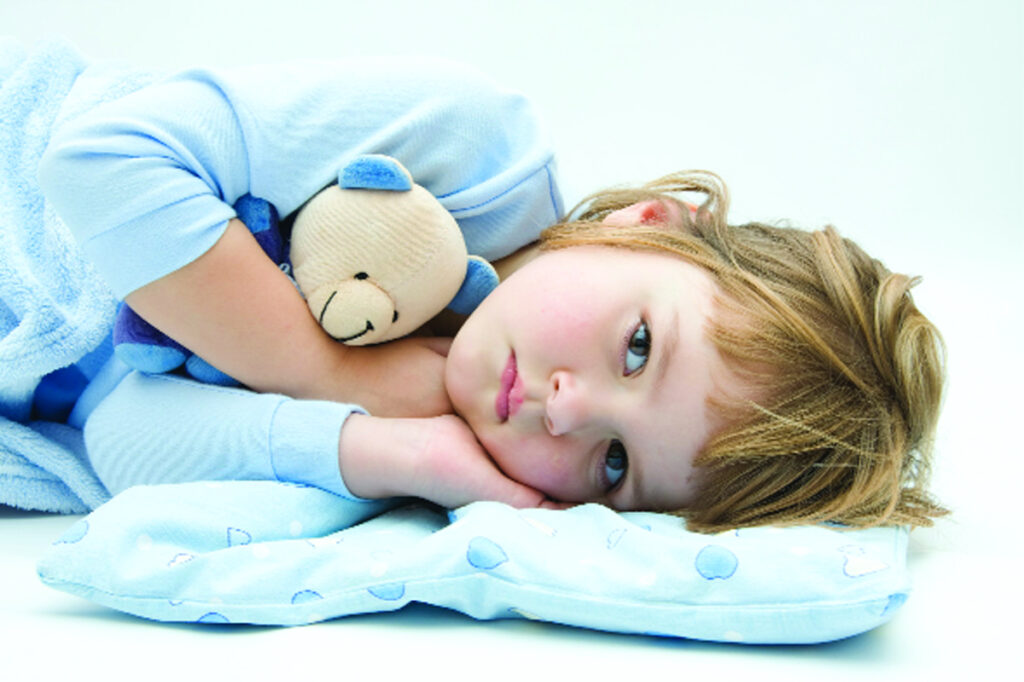
Sleep is like fuel for your child—it powers their growth, helps them learn, and keeps their emotions in check. As Indian parents, you’re probably used to juggling busy schedules, school pressures, and family life, but when your child isn’t sleeping well, it can throw everything off balance. I see this often in my practice: parents worried about their little ones tossing and turning, waking up tired, or acting out of sorts. Sleep disorders might be the culprit, and the good news is, once you know what to look for, you can take steps to help.
In this blog, I’ll walk you through some common sleep disorders in children, what signs to watch for, and when it’s time to see a doctor. Plus, I’ll share some simple tips to improve your child’s sleep—because a well-rested child means a happier home!
झोप ही तुमच्या मुलासाठी इंधनासारखी असते—ती त्यांच्या वाढीसाठी, शिकण्यासाठी आणि भावनिक संतुलनासाठी आवश्यक असते. भारतीय पालक म्हणून, तुम्ही व्यस्त वेळापत्रक, शाळेचा दबाव आणि कौटुंबिक जीवन यांचा सामना करण्यात माहिर असाल, पण जेव्हा तुमच्या मुलाची झोप नीट होत नाही, तेव्हा सर्व काही असंतुलित होऊ शकते. माझ्या प्रॅक्टिसमध्ये मी हे अनेकदा पाहते: पालक आपल्या लहान मुलांच्या झोपेच्या समस्यांबद्दल चिंतित असतात—ते रात्री उशिरापर्यंत जागे राहतात, थकलेले उठतात किंवा विचित्र वर्तन करतात. झोपेचे विकार हे कारण असू शकतात, आणि चांगली बातमी अशी आहे की, एकदा तुम्हाला काय शोधायचे हे समजले की, तुम्ही मदत करण्यासाठी पावले उचलू शकता.
या ब्लॉगमध्ये, मी तुम्हाला मुलांमधील काही सामान्य झोपेच्या विकारांबद्दल, काय लक्षणे पाहायची, आणि कधी डॉक्टरांना भेटायचे याबद्दल सांगेन. शिवाय, तुमच्या मुलाची झोप सुधारण्यासाठी काही सोप्या टिप्स देखील शेअर करेन—कारण एक चांगले झोपलेले मूल म्हणजे एक आनंदी घर!
Before we get into the details, let’s talk about why sleep is so important. When your child sleeps, their body repairs itself, their brain processes everything they’ve learned—like that new Hindi poem or math problem—and they wake up ready to take on the day. If sleep gets disrupted, you might notice them getting cranky, struggling with schoolwork, or even falling sick more often. In our fast-paced lives, it’s easy to overlook sleep troubles, but they’re worth addressing early.
तपशीलात जाण्यापूर्वी, झोप का इतकी महत्त्वाची आहे हे समजून घेऊया. जेव्हा तुमचे मूल झोपते, तेव्हा त्यांचे शरीर स्वतःला दुरुस्त करते, त्यांचे मेंदू त्यांनी शिकलेल्या सर्व गोष्टींवर प्रक्रिया करते—जसे की नवीन हिंदी कविता किंवा गणिताचा प्रश्न—आणि ते दिवसाला सामोरे जाण्यासाठी ताजेतवाने होऊन उठतात. जर झोपेत व्यत्यय आला, तर तुम्हाला ते चिडचिडे होताना, शाळेच्या कामात अडचणी येताना किंवा वारंवार आजारी पडताना दिसू शकते. आपल्या वेगवान जीवनात, झोपेच्या समस्यांकडे दुर्लक्ष करणे सोपे आहे, पण त्या लवकर सोडवणे महत्त्वाचे आहे.
Here are the sleep issues I see most often in my clinic. Each one shows up differently, but they all affect how your child feels and functions.
Yes, even kids can have insomnia! It’s when they struggle to fall asleep, keep waking up at night, or get up way too early—like before the milkman even arrives. It could be because of stress (maybe exams or a fight with a friend), anxiety, or habits like watching TV or playing on a phone too late.
Signs to watch for:
If your child’s fighting sleep night after night, it might be more than just a phase.
This one’s a bit trickier. Sleep apnea happens when your child’s breathing stops and starts while they’re asleep. It’s often linked to big tonsils (common in kids), being overweight, or other health issues. You might hear loud snoring and think it’s cute, but it could be a sign of something more.
Signs to watch for:
In India, where allergies and dust can make tonsils swell, this is something to keep an eye on.
Night terrors can feel like a scene from a Bollywood drama—your child suddenly screaming or thrashing in bed, looking terrified, but they’re still asleep. Unlike nightmares, they won’t remember it in the morning. It’s tough to watch, but it’s usually harmless unless it’s happening too often.
Signs to watch for:
If the whole family’s losing sleep over this, it’s worth a chat with your doctor.
This might sound surprising, but kids can feel this too—an itchy, crawly feeling in their legs that keeps them from settling down. It could be tied to low iron (common in picky eaters) or other health quirks.
Signs to watch for:
If your child’s always rubbing their legs or can’t sit still at bedtime, this could be why.
माझ्या क्लिनिकमध्ये मी पाहिलेले सर्वात सामान्य झोपेचे विकार येथे आहेत. प्रत्येकाचा परिणाम वेगळा असतो, पण ते सर्व तुमच्या मुलाच्या भावना आणि कार्यक्षमतेवर परिणाम करतात.
होय, मुलांनाही अनिद्रा होऊ शकते! हे तेव्हा होते जेव्हा त्यांना झोपायला त्रास होतो, रात्री वारंवार जाग येते किंवा खूप लवकर उठतात—जसे की दूधवाला येण्यापूर्वीच. हे तणावामुळे (कदाचित परीक्षा किंवा मित्राशी भांडण), चिंतेमुळे किंवा टीव्ही पाहणे किंवा फोनवर खेळणे यासारख्या सवयींमुळे होऊ शकते.
लक्षणे:
जर तुमचे मूल रात्रीनंतर रात्री झोपेशी लढत असेल, तर हे फक्त एक टप्पा असू शकत नाही.
हे थोडे क्लिष्ट आहे. स्लीप अप्निया तेव्हा होतो जेव्हा तुमच्या मुलाचा श्वास झोपेत थांबतो आणि पुन्हा सुरू होतो. हे सहसा मोठ्या टॉन्सिल्समुळे (मुलांमध्ये सामान्य), जास्त वजनामुळे किंवा इतर आरोग्य समस्यांमुळे होते. तुम्हाला कदाचित जोरात घोरणे ऐकू येईल आणि ते गोंडस वाटेल, पण ते काहीतरी गंभीर असू शकते.
लक्षणे:
भारतात, जिथे ऍलर्जी आणि धूळ टॉन्सिल्स सुजवू शकतात, हे लक्षात ठेवणे महत्त्वाचे आहे.
रात्रीची भयानक स्वप्ने बॉलीवूडच्या नाटकातील दृश्यासारखे वाटू शकतात—तुमचे मूल अचानक बेडवर ओरडत किंवा धडपडत, घाबरलेले दिसतात, पण ते अजूनही झोपलेले असतात. दुःस्वप्नांच्या विपरीत, त्यांना सकाळी काहीही आठवत नाही. हे पाहणे कठीण आहे, पण ते सहसा निरुपद्रवी असते, जोपर्यंत ते खूप वारंवार होत नाही.
लक्षणे:
जर संपूर्ण कुटुंब या कारणामुळे झोप गमावत असेल, तर डॉक्टरांशी बोलणे योग्य आहे.
हे आश्चर्यकारक वाटू शकते, पण मुलांनाही हे जाणवू शकते—त्यांच्या पायात खाज किंवा सरपटणारी भावना ज्यामुळे ते शांत होऊ शकत नाहीत. हे कमी लोहामुळे (नखरे करणाऱ्या मुलांमध्ये सामान्य) किंवा इतर आरोग्य समस्यांमुळे होऊ शकते.
लक्षणे:
जर तुमचे मूल नेहमी पाय घासत असेल किंवा झोपेच्या वेळी स्थिर बसू शकत नसेल, तर हे कारण असू शकते.
Every kid has a rough night now and then—maybe it’s the excitement of Diwali or nerves about a school play. But if sleep problems stick around for weeks and start messing with their mood, energy, or studies, it’s time to act. In our culture, we often push through tiredness, but your child’s health shouldn’t wait.
My advice? If their sleep issues are regular and affecting daily life—like they’re drowsy at school or snapping at siblings—talk to your paediatrician. We can figure out if it’s a disorder or just a bump in the road.
प्रत्येक मुलाला कधीतरी एक रात्र कठीण जाते—कदाचित दिवाळीचा उत्साह किंवा शाळेच्या नाटकाबद्दलची चिंता. पण जर झोपेच्या समस्या आठवडे चालू राहिल्या आणि त्यांच्या मूड, ऊर्जा किंवा अभ्यासावर परिणाम करू लागल्या, तर कृती करण्याची वेळ आली आहे. आपल्या संस्कृतीत, आपण अनेकदा थकव्यातून पुढे जातो, पण तुमच्या मुलाच्या आरोग्याची वाट पाहू नये.
माझा सल्ला? जर त्यांच्या झोपेच्या समस्या नियमित असतील आणि दैनंदिन जीवनावर परिणाम करत असतील—जसे की शाळेत झोपाळू असणे किंवा भावंडांवर चिडणे—तुमच्या बालरोगतज्ञाशी बोला. आम्ही हे एक विकार आहे की फक्त एक अडथळा आहे हे शोधू शकतो.
Your child’s sleep isn’t just about rest—it’s about giving them the energy to grow, learn, and enjoy life. Whether it’s insomnia from exam stress, snoring from dusty air, or night terrors waking the house, you don’t have to figure it out alone. Spotting the signs early can make all the difference.
If something feels off, trust yourself—you know your child best. Reach out to your paediatrician if you’re worried. And in the meantime, try those home tips. A good night’s sleep for your little one means brighter mornings for everyone.
तुमच्या मुलाची झोप फक्त विश्रांतीबद्दल नाही—ती त्यांना वाढण्यासाठी, शिकण्यासाठी आणि जीवनाचा आनंद घेण्यासाठी ऊर्जा देते. मग ते परीक्षेच्या तणावामुळे अनिद्रा असो, धुळीच्या हवेमुळे घोरणे असो, किंवा रात्रीच्या दहशतवादी हल्ल्यांमुळे घर जागे असो, तुम्हाला एकट्याने हे सोडवण्याची गरज नाही. लवकर लक्षणे ओळखणे सर्व फरक करू शकते.
जर काहीतरी चुकीचे वाटत असेल, तर स्वतःवर विश्वास ठेवा—तुम्ही तुमच्या मुलाला सर्वात चांगले ओळखता. तुम्हाला काळजी वाटत असेल तर तुमच्या बालरोगतज्ञाशी संपर्क साधा. आणि तोपर्यंत, त्या घरगुती टिप्स वापरून पहा. तुमच्या लहान बाळाची रात्रीची चांगली झोप म्हणजे सर्वांसाठी उज्ज्वल सकाळ.
Disclaimer:
काळजीपूर्वक लक्षात घ्या:





Leave a comment