

March 6, 2026
W Sitting in Children: Should Indian Parents Worry About the Frog Position?
फ्लू लस - का? आणि केव्हा?
Every year, as the rains gather over India and the mercury dips in winter, influenza viruses quietly begin their seasonal dance. In our country, flu activity typically surges twice: once during the monsoon months (June through September) and again in the cooler winter period (December through February). Since these peaks catch many of us unprepared, it’s wise to plan ahead—especially if you have little ones at home.
प्रत्येक वर्षी, जेव्हा भारतात पावसाळी ढग दाटतात आणि थंडीची सर पण सुरुवात होते, तेव्हा इन्फ्लूएन्झा विषाणू हळूहळू चढाओढीला सुरुवात करतात. आपल्या देशात हि रुग्णदशा मुख्यतः दोन टप्प्यात दिसते: पावसाळ्यात (जून ते सप्टेंबर) आणि हिवाळ्यात (डिसेंबर ते फेब्रुवारी). या काळात आपली तयारी अपुरी पडू नये म्हणून, लहानग्यांसह संपूर्ण कुटुंबाने वेळेवर लस घेणे अत्यंत आवश्यक ठरते.
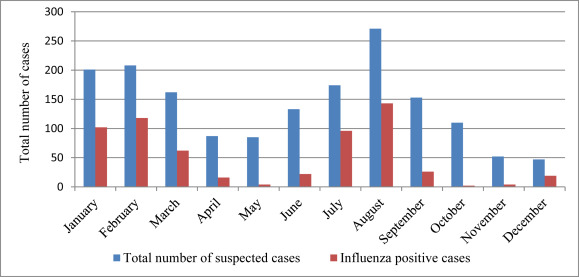
To give your body (and your child’s) enough time to build protective antibodies, aim to get vaccinated before flu season kicks in. For the monsoon wave, that means lining up your shot in April or May. If you want coverage for the winter rise, consider a booster—or, better yet, get your entire family vaccinated again around October or November. Remember, immunity from a single flu shot wanes after about six to eight months, so an annual jab is essential.
आपले आणि आपल्या मुलांचे शरीर रक्षणात्मक प्रतिकारशक्ती तयार करण्यासाठी, फ्लू लसीकरण हंगाम सुरू होण्यापूर्वी पूर्ण करावे. पावसाळी लाटेसाठी एप्रिल–मे मध्ये लस घ्यावी, तर हिवाळी लाटेसाठी ऑक्टोबर–नोव्हेंबर दरम्यान पुन्हा लस घेणे फायदेशीर ठरते. लक्षात ठेवा, एकदाची लस घेतल्यानंतर सुमारे सहा–आठ महिन्यांत प्रतिकारशक्ती कमी होऊ लागते, त्यामुळे वार्षिक लस घेणे आवश्यक आहे.
Influenza viruses mutate constantly. Every year, experts at the World Health Organization (WHO) analyze global flu strains and recommend which strains should go into the next season’s vaccine. That’s why last year’s shot won’t fully protect you this year. The WHO advises that everyone aged six months and older—including healthy children and adults—should receive a flu vaccine every 12 months to maintain the best possible protection.
इन्फ्लूएन्झा विषाणू दरवर्षी बदलतात. जागतिक आरोग्य संघटना (WHO) दरवर्षी जगभरातील विषाणूंच्या प्रकारांचा अभ्यास करून पुढील हंगामासाठी योग्य स्ट्रेनची शिफारस करते. त्यामुळे गेल्या वर्षीची लस यावर्षी पूर्ण संरक्षण देऊ शकत नाही. WHO च्या मार्गदर्शनानुसार, सहा महिन्यांपेक्षा मोठ्या सर्वांना—असेच निरोगी मुले व प्रौढ—दर १२ महिन्यांनी फ्लू लस घ्यावी.
Children under five—especially those under two—are among the highest-risk groups for serious flu complications. Yet, parents can sometimes overlook their own vulnerability. When both parents are vaccinated, they not only shield themselves from illness but also reduce the chance of bringing the virus home to their little ones. It’s a simple way to build a “cocoon” of protection around babies who aren’t yet old enough to get vaccinated (the flu vaccine is recommended starting at six months of age).
पाच वर्षांखालील मुले—विशेषतः दोन वर्षांखालील—गंभीर फ्लू असण्याच्या जोखमीच्या गटात येतात. परंतु पालक स्वतःचे लसीकरण विसरतात. पालक जेव्हा लस घेतात, तेव्हा ते स्वतःलाच नव्हे तर घरातल्या लहानग्यांनाही संसर्गापासून वाचवतात. त्यामुळे जोपर्यंत बाळ (सहा महिन्यांपर्यंत लस घेऊ शकत नाही) स्वतः लस घेऊ शकत नाही, तोपर्यंत पालकांनी “कोकून” (उड्डाणरहित संरक्षण) तयार करावे.
Influenza may be common, but its complications are no joke—especially for young children, older adults, and those with asthma, diabetes, or heart conditions. By getting your annual flu vaccine before each season, you’re taking a powerful step toward keeping your family safe and healthy. And don’t forget: when parents get vaccinated too, you create a protective shield around your home, giving your children the best possible start through every monsoon and every winter.
Stay one step ahead of the flu—schedule your family’s shots today!
फ्लू सामान्य असू शकतो, पण त्याचे परिणाम विशेषतः लहान मुल, वृद्ध आणि दीर्घकालीन आजार (अस्थमा, मधुमेह, हृदयरोग) असलेल्या व्यक्तींमध्ये गंभीर असू शकतात. प्रत्येक हंगामापूर्वी तुमची व तुमच्या मुलांची लस घेऊन, तुम्ही कुटुंबाचे रक्षण मजबूत करता. आणि पालकांनी लस घेतल्यावर घरात “अदृश्य सुरक्षा घेऊन” लहानग्यांना सर्वोत्तम आरंभ देता.
पावसाळी व हिवाळ्यापूर्वी तुमच्या कुटुंबाच्या लसीकरणाची तारीख आजच ठरवा!
Disclaimer:
काळजीपूर्वक लक्षात घ्या:







Leave a comment